

More news on this day
Seatrade Cruise Global 2026 in Miami is putting wellness at the center of the cruise industry conversation with the debut of the Wellness Oasis, a new showcase concept aimed at redefining how health, relaxation, and holistic well-being are delivered at sea.
Get the latest news straight to your inbox!
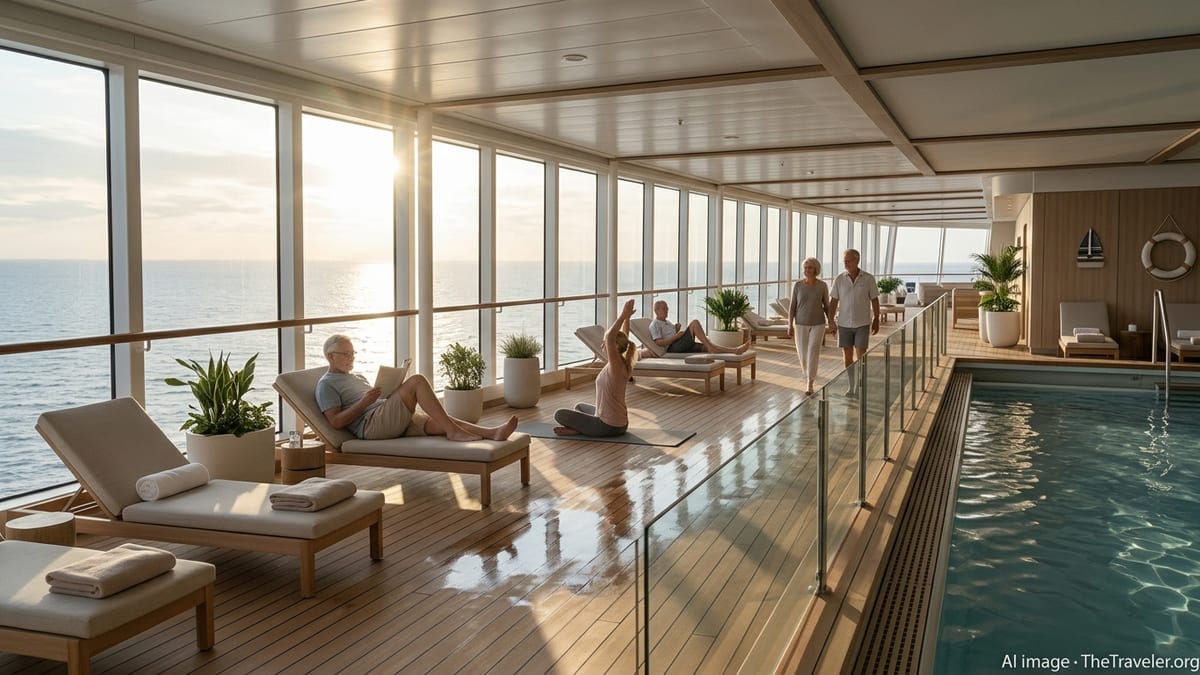
A Dedicated Hub for Holistic Health at Sea
The Wellness Oasis is being positioned as a focal point for visitors seeking to understand how cruise lines, ports, and partners are reshaping wellness offerings for the next generation of travelers. According to publicly available event materials and industry presentations, the new hub brings together spa concepts, fitness innovations, mental well-being tools, and destination-focused health experiences in a single curated environment on the show floor.
Reports indicate that the space is designed less as a traditional exhibition zone and more as a living laboratory for wellness at sea. Exhibitors are expected to demonstrate everything from updated spa architectures and thermal suites to new movements in evidence-based fitness programming and recovery-focused treatments. The aim is to move beyond the idea of wellness as a premium add-on and toward an integrated lifestyle proposition across the entire guest journey.
Industry observers note that the prominence of the Wellness Oasis reflects how wellness has moved from niche to mainstream within cruising. Health-conscious guests are looking for options that range from nutritious dining and low-alcohol beverages to restorative sleep environments and mindfulness programming, and the new hub is being framed as a direct response to that demand.
From Spa Upselling to Guest-Centric Well-being
For years, wellness at sea has often been associated with high-pressure spa environments and transactional treatments. Online discussions and traveler feedback over recent seasons describe a pattern of aggressive product upselling and short-term offers overshadowing relaxation, leaving some guests wary of onboard spas. In that context, the Wellness Oasis arrives at a time when many brands are reconsidering what a guest-first, trust-based wellness experience should look like.
Programming linked to the new hub is expected to highlight more transparent, value-led wellness models, including simplified pricing, curated treatment menus, and services that prioritize recovery, stress reduction, and long-term health benefits over retail sales. Cruise stakeholders presenting at the event are also signaling a move toward more inclusive offerings, with wellness experiences designed for different ages, abilities, and budgets rather than only for luxury suites or exclusive retreat areas.
The shift is aligned with broader travel trends in which guests increasingly evaluate vacations through the lens of personal health. Analysts speaking at cruise and tourism forums in the past year have repeatedly identified wellness and functional experiences as among the strongest growth segments, influencing decisions from itinerary selection to onboard spending. The Wellness Oasis appears positioned as a platform where these ideas can be translated into concrete products and operational practices.
Design, Technology, and Science-Backed Experiences
Beyond spa menus and fitness classes, the Wellness Oasis is drawing attention for its focus on design and technology. Event previews indicate that exhibitors are showcasing new cabin and public-space concepts that prioritize natural light, acoustic comfort, air quality, and biophilic elements to promote better sleep and lower stress levels on board. In parallel, ports and destinations are using the platform to spotlight shore excursions that blend gentle activity, nature, and cultural immersion with low-impact operations.
Digital tools are another key part of the narrative. Wearable integrations, app-based wellness journeys, and personalized recommendations based on guest preferences are among the areas being discussed in conference sessions adjacent to the Oasis. Public information about the program suggests that data-informed planning is becoming central to how cruise lines design everything from gym layouts and class schedules to menu labeling and recovery zones.
There is also a growing emphasis on science-backed approaches. Rather than relying solely on spa tradition, brands are drawing on sports science, sleep research, and mental health insights to refine their offerings. Within the Wellness Oasis, this is expected to translate into demonstrations of targeted therapies, guided breathwork and meditation experiences, mobility-focused movement sessions, and nutrition programs geared toward realistic, sustainable habits rather than short-term detox themes.
Wellness as a Driver of Itineraries and Shore Experiences
The influence of the Wellness Oasis extends beyond shipboard spaces to the way itineraries and shore products are being conceived. Recent industry trend reports highlight stronger demand for active and wellness-oriented shore excursions, such as guided hikes, coastal cycling, thermal bathing experiences, and restorative nature walks, all framed within responsible tourism practices. Stakeholders at Seatrade Cruise Global 2026 are using the new hub to showcase partnerships with local operators and destinations that can deliver these kinds of experiences.
Publicly available presentations from cruise ports and tourism boards ahead of the event have underscored the importance of aligning wellness with sustainability. That includes limiting group sizes for more mindful, low-impact activities, working with local wellness practitioners, and investing in infrastructure such as waterfront promenades, cycling paths, and spa-quality facilities within terminals. The Wellness Oasis provides a setting where these shore-side developments can be discussed alongside onboard innovation, highlighting the end-to-end nature of the wellness journey.
For destinations looking to attract next-generation cruise calls, the emphasis on well-being is increasingly strategic. By integrating wellness into port design, excursion planning, and marketing, they aim to appeal to travelers who view cruising as a way to reset, rather than simply indulge. The prominence of these themes within the Wellness Oasis suggests that health-focused shore experiences may soon become a defining feature of competitive itineraries worldwide.
A Signal of Where Cruise Wellness Is Heading
While Seatrade Cruise Global 2026 remains a trade-facing event rather than a consumer expo, the creation of the Wellness Oasis is being read within the industry as an indicator of where wellness at sea is heading over the next several years. The hub consolidates strands that have been emerging across separate product announcements, from expanded thermal suites and fitness offerings to plant-forward menus and longer, slower itineraries designed with rest in mind.
Conference agendas surrounding the launch point to ongoing conversations about crew well-being, operational resilience, and accessible design, all of which intersect with the guest-facing wellness story. Observers suggest that investments highlighted in the Oasis may also influence how cruise lines address topics such as staff workload in spas and fitness centers, training in mental health awareness, and the creation of quieter, restorative spaces for crew.
For now, the Wellness Oasis serves as a high-profile stage where brands, destinations, and suppliers can test ideas and align around shared priorities. If the concepts presented in Miami translate into fleet-wide rollouts, future cruise travelers can expect a more considered, research-informed approach to well-being at sea, in which relaxation, movement, and mindful experiences are embedded across the entire voyage rather than confined to a single spa appointment.