

More news on this day
Travelers passing through Seattle-Tacoma International Airport on March 9 are facing a fresh wave of disruption, with at least eight cancellations and 78 delays affecting services operated by Alaska, American, Delta, United and other carriers on busy routes across the United States and key international links to Qatar and Mexico.
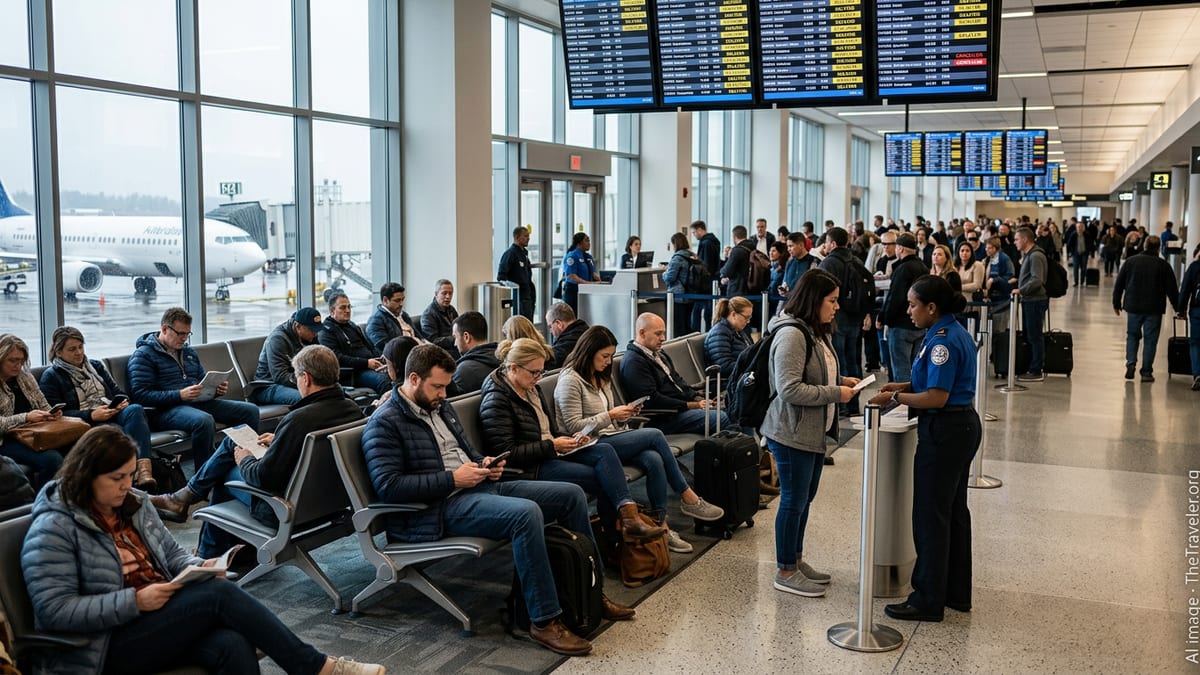
Sea-Tac Operations Strained as Delays Mount
Operational data from airline status boards and flight-tracking services on Monday morning indicated that Seattle-Tacoma International Airport was contending with a concentrated cluster of schedule disruptions, centered on departures and arrivals run by the country’s largest carriers. Alaska Airlines, American Airlines, Delta Air Lines and United Airlines all reported delayed flights at Sea-Tac, alongside a smaller number of outright cancellations affecting domestic and international traffic.
The impact was most visible on high-frequency domestic routes linking Seattle with Los Angeles, San Francisco, Phoenix and Houston, as well as on longer-haul connections feeding into international services. While the overall number of cancellations at Sea-Tac remained limited to single digits, the 78 delayed flights translated into rolling queues at security checkpoints, full gate areas and extended waits at baggage claim.
Airport officials said they were monitoring conditions closely as airlines worked to reset schedules following widespread weather-related disruption across the national network over the weekend. Staffing and aircraft availability remained tight after storms and low-visibility conditions in other parts of the country forced extensive rerouting and ground delays, leaving crews and aircraft displaced on Monday morning rotations.
Passengers arriving at Sea-Tac throughout the day described long but orderly lines and a steady stream of gate change announcements. Many reported receiving delay notifications overnight or early in the morning as airlines attempted to absorb aircraft arriving late from other hubs.
Knock-on Effects from Nationwide Weather Chaos
The bottlenecks in Seattle come on the heels of a turbulent travel weekend across the United States. On Saturday and Sunday, severe weather systems bearing thunderstorms, snow and low cloud ceilings triggered hundreds of cancellations and several thousand delays nationwide, particularly at major midcontinent hubs such as Chicago O’Hare and Atlanta. Those disruptions cascaded into Monday’s schedules, affecting aircraft and crews operating through Seattle, Los Angeles, Houston and other coastal gateways.
Industry analysts note that this type of rolling disruption is increasingly common when large storm systems coincide with already busy travel periods. Once ground delay programs and diversions are in place at one or two major hubs, aircraft can quickly fall out of position, leaving airports like Seattle and Phoenix dealing with late-arriving inbound flights that then depart behind schedule.
Even in relatively clear weather at Sea-Tac on Monday, airlines were still recovering from the earlier turbulence. Many of the delayed flights operating between Seattle and cities such as Los Angeles, San Francisco and Denver were carrying passengers who had already missed earlier connections or had been rebooked from canceled services over the weekend.
By midday, operations at some East Coast hubs had begun to normalize, but lingering delays on long-haul services feeding into Seattle and the West Coast meant carriers were still juggling equipment swaps, crew duty limits and maintenance windows in order to keep schedules moving.
Major Carriers and International Links Affected
The disruption at Seattle-Tacoma is spread across several of the airport’s largest tenants. Alaska Airlines, which maintains its primary hub at Sea-Tac, reported a mix of delayed departures on popular West Coast routes and select cancellations tied to network recovery efforts. Delta Air Lines and United Airlines, both of which operate substantial domestic and connecting traffic through Seattle, also logged late-running flights on Monday’s boards.
American Airlines, which uses Seattle as a connecting point for select transcontinental and regional services, experienced delays primarily on flights to and from major hubs such as Phoenix and Dallas. Some passengers connecting onward to Mexico reported longer waits as inbound aircraft from Seattle arrived behind schedule into cities including Mexico City and resort gateways along the Pacific coast.
International services were not spared. Flights linking Seattle with Doha and onward connections via Qatar were among those affected as delays on inbound feeder services from Los Angeles, San Francisco and Houston compressed connection windows. While most long-haul departures remained scheduled to operate, passengers reported tighter transfer times and last-minute gate adjustments as airlines worked to keep their global banks intact.
Airline representatives said that despite the elevated level of disruption, the majority of Monday’s schedule at Sea-Tac was still operating, albeit with extended gate turns and some reduced resilience for handling additional weather or technical issues later in the day.
Impact on Travelers Across Los Angeles, Houston, Phoenix and Beyond
The operational challenges in Seattle rippled well beyond the Puget Sound region. At Los Angeles International Airport, where carriers including Alaska, American, Delta and United operate dense schedules to and from Seattle, delayed northbound departures contributed to late-arriving aircraft that then pushed back subsequent flights to other U.S. cities, Mexico and overseas destinations.
Houston, Phoenix and other southwest and Gulf gateways saw similar patterns. Passengers departing these cities for Seattle reported gate holds and departure time shifts of 30 minutes to more than an hour, particularly on morning flights that depended on aircraft and crews arriving from already delayed overnight sectors. Those delays, in turn, affected travelers planning same-day connections through Seattle to cities across the Pacific Northwest, Midwest and East Coast.
For some international passengers, especially those connecting between the United States, Qatar and Mexico, the resulting uncertainty created a stressful start to long journeys. Airline agents in Los Angeles, Seattle and Houston spent much of the day rebooking travelers onto later departures or adjusting itineraries to ensure minimum connection times could be met at onward hubs.
While there were no reports of widespread terminal overcrowding or security breakdowns, lounges and gate areas at several affected airports were noticeably busier than usual as travelers waited out rolling delays with limited real-time information beyond app notifications and periodic public address announcements.
What Passengers Can Do as Recovery Continues
With airlines still working through the backlog created by the weekend’s storms and Monday’s delays, travel experts urged passengers flying through Seattle-Tacoma and major hubs such as Los Angeles, Houston and Phoenix to allow extra time at the airport and to monitor their flights closely via airline apps or text alerts. Same-day changes and standby lists were expected to remain lengthy through the afternoon and evening as carriers attempted to consolidate lightly booked flights and free up crew capacity.
Passengers affected by cancellations or significant delays were advised to check airline policies on meal vouchers, hotel accommodations and rebooking options, which can vary by carrier and by whether the disruption is weather-related or tied to operational issues such as crew availability or maintenance. Customer service desks at Seattle-Tacoma and other major airports reported steady lines but said most travelers were able to secure alternative itineraries within the same day, particularly on high-frequency domestic routes.
Industry observers said Monday’s events highlight the vulnerability of tightly scheduled networks to large-scale weather events and the importance for travelers of building flexibility into their plans. When storms or ground stops hit one or more hubs, the reverberations can be felt days later in cities far from the original disruption, as seen in the cascading impact on routes connecting Seattle, Los Angeles, Houston, Phoenix, Qatar and Mexico.
As of late afternoon, Seattle-Tacoma International Airport and its largest airline partners expected conditions to gradually stabilize, but warned that some residual delays could persist into the evening bank of departures and potentially into early Tuesday as aircraft and crews return to their normal rotations.