

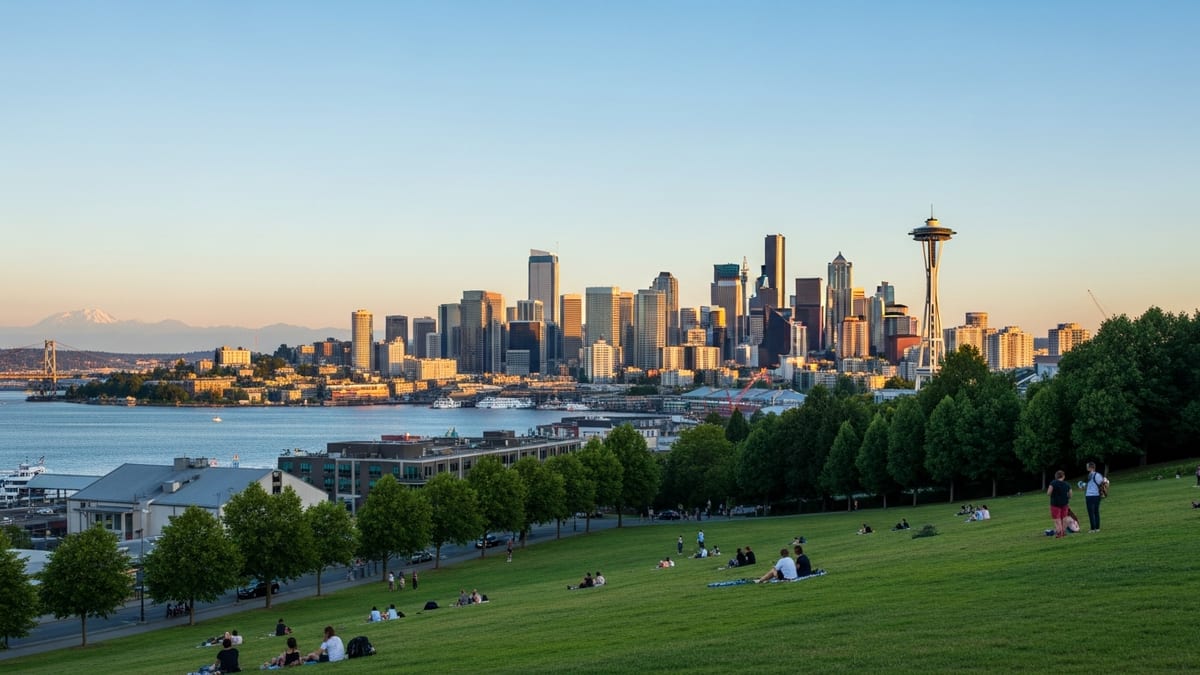
Seattle is a city of dramatic contrasts, framed by saltwater and snowcapped peaks, technology towers and century-old markets, quiet forests and raucous sports crowds. Whether you are flying in for a weekend or planning a weeklong base for Pacific Northwest exploration, a little advance knowledge will help you navigate its steep hills, microclimates, and distinctive neighborhoods.
This guide brings together the latest on what to see and do, how to get around, and what to know before you go so you can experience Seattle like a savvy local rather than a bewildered visitor clutching an umbrella.
Understanding Seattle’s Seasons and Best Time to Visit
Seattle’s reputation for constant rain is overstated, but the timing of your trip will noticeably shape your experience. Summer, roughly from late June through early September, is typically the driest and most reliable period for blue skies, with comfortable daytime highs often in the 70s and low 80s Fahrenheit. Long daylight hours mean you can pack in waterfront walks, ferry rides, and mountain day trips well into the evening. It is also the peak season for tourism and Alaska cruise departures, so downtown, Pike Place Market, and the waterfront are noticeably busier and hotel rates are higher.
Spring and early fall can be rewarding shoulder seasons. March and April often bring rain showers mixed with bright breaks, but they also deliver cherry blossoms on the University of Washington campus and fewer crowds at headline attractions. By late September and October, the city trades peak-summer bustle for crisp air and fall color in city parks, though storms become more frequent and days shorten quickly. Local meteorologists refer to the rapid shift to dark, wet conditions from late September into November as “The Big Dark,” and visitors should be prepared for persistent drizzle and early sunsets during this period.
Winter, from November through February, is typically the quietest time for tourism. Expect frequent gray days, cooler temperatures, and the possibility of occasional snow or ice that can disrupt hills and transit more than in some cities. The tradeoff is lower prices, easier restaurant reservations, and a cozier side of Seattle: book-lined coffeehouses, glass exhibits glowing in the early dusk, and local sports crowds packing into bars and stadiums. If you pack waterproof outerwear, layers, and comfortable shoes that can handle slick pavement, you can still comfortably explore the city year-round.
Whenever you visit, it is helpful to anticipate Seattle’s microclimates. Weather can swing noticeably between neighborhoods or between the waterfront and inland hills on a given day. Locals rarely carry large umbrellas; instead, they rely on waterproof shells and hooded jackets so they can easily move between buses, light rail, and indoor attractions. For travelers, adopting this simple packing strategy often matters more than obsessing over specific rain probabilities in the forecast.
Key Neighborhoods and How to Choose Your Base
Seattle’s character is best understood through its neighborhoods, each with a distinct feel. Downtown is the primary base for first-time visitors, thanks to its direct light-rail link from the airport, central hotels, and proximity to Pike Place Market, the waterfront, and the Seattle Center monorail. The tradeoff is steeper hills and a business district atmosphere that quiets at night on some blocks. Staying near the Pike Place or Belltown edges of downtown offers easier access to dining and nightlife while keeping you close to transit.
Just north of downtown, Queen Anne and South Lake Union present different flavors of modern Seattle. Lower Queen Anne, adjacent to Seattle Center, works well if the Space Needle, museums, and arena events are top priorities. It has a mix of older apartment buildings, newer hotels, and an increasing number of casual restaurants. South Lake Union, home to tech campuses and a growing residential population, is laced with modern eateries, lakefront parks, and streetcar service. It feels contemporary and efficient rather than historic, and it appeals to travelers who prefer new-build hotels and easy connections to light rail and buses.
Capitol Hill, east of downtown, is one of the city’s most vibrant neighborhoods and a major nightlife hub. Centered on Broadway and Pike/Pine, it offers independent bookstores, music venues, cocktail bars, and some of the city’s most interesting dining. A light-rail station makes it easy to reach from the airport and downtown. The neighborhood’s energy runs late into the night, which is a plus for travelers seeking a lively base but worth considering if you prefer quiet streets after dark.
To the north, Fremont and Ballard offer a more residential, maritime feel that many travelers find appealing once they have seen the major downtown sights. Fremont brands itself as “the Center of the Universe,” with quirky public art and cafés lining the ship canal. Ballard blends Nordic maritime heritage, modern breweries, and a popular Sunday farmers market along its main drag. These neighborhoods do not yet have light rail, so you will rely on buses or rideshares, but they can serve as excellent bases for repeat visitors who prioritize neighborhood character over proximity to the Space Needle.
Essential Sights: From Pike Place Market to the Space Needle
No matter where you stay, certain Seattle sights belong on most itineraries. Pike Place Market, founded in 1907, remains the city’s beating heart. Beyond the seafood counters that made it famous, the market is a multi-level maze of small produce stands, craft stalls, bakeries, and family-run eateries. Arriving early in the morning lets you see wholesalers at work and sample breakfast before mid-day crowds build. The nearby Victor Steinbrueck Park, recently renovated and reopened, provides a small but striking overlook toward Elliott Bay and the Olympic Mountains when the weather cooperates.
Seattle’s skyline is anchored by the Space Needle at Seattle Center, originally built for the 1962 World’s Fair and still the city’s most recognizable landmark. The observation deck offers panoramic views over downtown, Mount Rainier on clear days, and the island-dotted Puget Sound. Time your visit for late afternoon to see the city in daylight and then lit up after sunset if skies are expected to clear. The base area around the tower has been updated with restaurants, public art, and event spaces, making it a full stop rather than a quick photo opportunity.
Adjacent to the Space Needle, two other major museums draw visitors with very different focuses. The Museum of Pop Culture, housed in a striking, undulating building, explores music, science fiction, and contemporary culture with interactive exhibits that frequently rotate. Nearby, Chihuly Garden and Glass showcases the work of glass artist Dale Chihuly, with luminous indoor galleries and an outdoor garden blending glass sculptures and plantings. Pairing these with the Space Needle creates a full day at Seattle Center, and the elevated monorail that runs between Westlake in downtown and Seattle Center offers a quick, scenic two-minute connection.
On the waterfront, the Seattle Aquarium and the Great Wheel complement harbor views and ferry activity. The ongoing redevelopment of the waterfront has added more pedestrian space and easier access between downtown and the piers. While this area can feel touristy, strolling along the water, watching ferries depart, or taking a harbor cruise at sunset still ranks as a quintessential Seattle experience. For a quieter perspective, consider walking a few blocks uphill into the historic Pioneer Square district to admire late-19th-century brick buildings, galleries, and small shops.
Nature at the City’s Doorstep: Parks, Water, and Day Trips
Seattle’s geography gives visitors unusually easy access to green spaces and water. Discovery Park in the Magnolia neighborhood is the city’s largest park, with over 500 acres of forested trails, open meadows, and bluffs overlooking Puget Sound. A walk down to the West Point Lighthouse combines mild exertion with dramatic views back toward the downtown skyline. Closer to central neighborhoods, Gas Works Park on the north shore of Lake Union repurposes an old gasification plant into a photogenic industrial sculpture garden, with a sweeping hilltop view over the lake and skyscrapers.
If you want to get out on the water rather than just look at it, ferries and smaller boats offer options at multiple price points. The state ferry from downtown to Bainbridge Island provides a remarkably scenic, affordable mini-cruise, with skyline and mountain views that shift as you cross Elliott Bay. Once on Bainbridge, you can walk into the small town center for cafés and shops before returning on a later sailing. Around Lake Union and Lake Washington, rental kayaks and small electric boats are popular ways to see Seattle’s houseboats, bridges, and shoreline parks from a new angle, particularly in summer and early fall when evenings are long.
For many visitors, Seattle serves as a launch point for bigger nature excursions. Olympic National Park lies across Puget Sound and the Olympic Peninsula, encompassing rugged coastline, temperate rainforest, and alpine peaks. Depending on road and ferry conditions, it is best approached as an overnight or multi-day trip, but even a long day trip from Seattle can introduce you to moss-draped forests and ocean storm watching in winter. To the southeast, Mount Rainier National Park offers summer wildflower meadows and late-season snowfields surrounding an active volcano, accessed via a combination of scenic highways and hiking trails.
If your time is limited, city-based day trips still deliver a strong sense of the region’s landscapes. A visit to the Hoh Rain Forest or other distant corners of Olympic National Park typically requires more planning and driving, while nearer trailheads in the Cascade foothills can be reached within an hour or two by car from Seattle. Whichever you choose, build in weather flexibility, especially from late fall through early spring, when rain, low clouds, or snow can significantly change road conditions and visibility.
Getting Around: Transit, Walking, and Airport Access
Seattle’s compact core, steep hills, and growing transit network make it a city where you can comfortably combine walking, light rail, streetcars, and occasional rideshares. The Link light-rail line connects Seattle-Tacoma International Airport with downtown and several key neighborhoods, including the stadium district, Capitol Hill, and the University District. The ride from the airport to downtown’s Westlake Station typically takes about 40 minutes and is often the most predictable and budget-friendly option, particularly during rush hours when highway traffic is heavy.
Within the city, the regional transit system uses a common fare card, known locally as ORCA, which can be loaded with stored value or passes and tapped on buses, light rail, the Seattle Streetcar, and the historic monorail between downtown and Seattle Center. Youth riders with qualifying cards currently travel free on many services, and various reduced-fare programs exist for seniors and income-qualified residents. As of 2025, transit agencies in the region have continued coordinating fares so that adult prices on buses, streetcar, and light rail align, with scheduled increases that reflect rising operating costs. Local coverage has noted that a flat adult fare around the three-dollar mark now applies to many standard trips.
For visitors who intend to rely on transit, an ORCA card or compatible mobile payment option offers convenience and automatic transfers for many services within a set time window. Do note that beginning in 2026, the Seattle Center Monorail’s policy for ORCA transfers is changing so that many riders using stored-value balances will pay a separate fare instead of receiving a free transfer from buses or light rail. This shift reflects the monorail’s unique funding model and is worth factoring into your budgeting if you expect to ride frequently between downtown and Seattle Center.
Airport access has steadily expanded. In addition to Link light rail, travelers can choose between taxis, app-based rideshares, hotel shuttles, and private transfers from Sea-Tac to downtown. Taxis generally operate on a flat-rate range that commonly runs in the mid-forty to mid-fifty dollar range for downtown trips, with rideshares sometimes slightly cheaper depending on demand and time of day. Travel time by car is typically 20 to 35 minutes outside peak hours, but congestion can extend that significantly. For most solo travelers and couples, light rail remains an efficient, cost-effective first choice, while groups with heavy luggage may prioritize door-to-door car or shuttle services despite the higher cost.
Food, Coffee, and Nightlife: Tasting the City
Seattle’s culinary scene reflects its maritime setting, multicultural communities, and emphasis on local sourcing. Seafood anchors many menus, whether in the form of clam chowder with a view of ferries, oysters shucked to order, or modern Pacific Northwest plates featuring salmon and Dungeness crab. Pike Place Market is a logical starting point, with long-running counter-service institutions alongside newer chefs highlighting regional ingredients. Beyond the market, neighborhoods like Capitol Hill, Ballard, and the International District offer dense clusters of restaurants that reward wandering and spontaneous choices.
Coffee is both stereotype and daily ritual in Seattle. While the city is home to one of the world’s most recognizable coffee chains, visitors who venture beyond the familiar logo will find a deep bench of independent roasters and cafés. Many double as informal neighborhood living rooms, with locals working on laptops or lingering with newspapers. Experimenting with pour-overs, seasonal espresso drinks, or locally roasted beans can be an easy way to break up walking-intensive days, particularly during cooler or wetter months when indoor warmth is especially welcome.
After dark, Seattle’s nightlife varies by neighborhood. Capitol Hill remains the city’s most concentrated district for bars, clubs, and music venues, attracting a diverse crowd with everything from dive bars and LGBTQ+ spaces to cocktail lounges and dance floors. Belltown and Pioneer Square also offer a mix of live music and late-night spots, while Ballard’s breweries and taprooms draw beer enthusiasts earlier in the evening. When planning, keep in mind that some venues operate on limited schedules early in the week, and reservations are increasingly recommended for popular restaurants on Friday and Saturday nights.
Seattle’s event calendar is busiest from late spring through early fall, when festivals, outdoor concerts, and sports events pack weekends. The summer months bring neighborhood street fairs, film festivals, and major concert lineups at venues around the city. At the same time, the growing popularity of Seattle as a departure point for cruises and a gateway to national parks means that restaurant and bar crowds can spike noticeably on peak cruise embarkation days. If you prefer a calmer atmosphere, consider dining slightly earlier in the evening or venturing a bit farther from downtown on those dates.
Practicalities, Safety, and Local Etiquette
Like many West Coast cities, Seattle has seen visible shifts in its downtown streetscape in recent years, including an increase in people experiencing homelessness and related social challenges. Visitors will notice tents or encampments in certain areas and may encounter individuals asking for money or visibly in crisis. Local authorities and outreach organizations continue to adjust their approaches, and while headlines sometimes emphasize worst-case scenarios, most visitors experience the city without major safety incidents when they exercise normal urban awareness.
Practical steps include keeping valuables out of sight, particularly in parked cars, staying on well-lit main streets at night, and paying attention to your surroundings in less crowded areas. Petty theft from vehicles and occasional phone or bag snatches in crowded zones are more common concerns than violent crime for most travelers. If an area feels uncomfortable, there is usually an alternative route or transit option nearby, and hotel staff are typically candid about which blocks to avoid late at night.
Seattle’s culture values personal space, politeness, and understated friendliness. Strangers may not strike up long conversations as readily as in some cities, but they are generally happy to help with directions or recommendations when asked. Queues are taken seriously at coffee bars and transit stops, and cutting lines is frowned upon. Tipping practices broadly match those in the rest of the United States: around 18 to 20 percent in sit-down restaurants, a dollar or two per drink at bars, and smaller amounts at cafés if you wish.
Environmentally conscious habits are also well ingrained. Recycling and compost options are common in restaurants and public spaces, and single-use plastics are often restricted. Visitors are encouraged to use reusable water bottles, take transit when practical, and respect local norms around park and trail usage. In short, approaching Seattle with the same respect you would bring to a national park helps sustain the natural and urban environments that make the city attractive in the first place.
The Takeaway
Seattle is not a city that reveals itself all at once. Its most famous icons, from the Space Needle to Pike Place Market, provide strong first impressions, but the city’s real appeal often emerges in smaller moments: a quiet ferry crossing with fog lifting from the water, a perfect espresso on a rainy morning, sunset over Olympic peaks from a hillside park. Planning ahead for weather, transit, and neighborhood logistics allows you to relax into these moments rather than spending energy on avoidable surprises.
By choosing your base thoughtfully, understanding the seasonal rhythms, and pairing marquee attractions with time in local neighborhoods and parks, you can create a visit that feels both efficient and unhurried. Seattle rewards curiosity, whether that means tasting unfamiliar seafood, hopping on an unplanned bus route to a new district, or detouring down a staircase to a pocket park you spot on a city map. With a bit of preparation and a willingness to embrace clouds as part of the scenery, you will find a Pacific Northwest city that is more nuanced and welcoming than its clichés suggest.
FAQ
Q1. What is the easiest way to get from Seattle-Tacoma International Airport to downtown?
The Link light rail offers a direct, inexpensive ride from the airport station to downtown’s Westlake Station in about 40 minutes, avoiding highway traffic and eliminating parking concerns. Taxis, rideshares, and shuttles are available and faster outside rush hour, but they generally cost significantly more than the train.
Q2. Do I really need rain gear if I visit in summer?
Summer in Seattle is often dry and pleasantly warm, but brief showers can still occur. A lightweight, packable jacket is usually sufficient even in July and August. For visits between October and May, a proper waterproof shell and shoes with good grip will make walking and outdoor sightseeing much more comfortable.
Q3. Is downtown Seattle safe for walking at night?
Most central areas that visitors frequent, such as the Pike Place Market vicinity, Belltown, and the core downtown shopping streets, are regularly patrolled and see steady foot traffic in the evening. As in any major city, it is wise to stay on well-lit main streets, avoid displaying valuables, and use rideshares or taxis if you feel uncomfortable or are returning very late.
Q4. Should I rent a car for my trip?
If your plans focus on downtown, Seattle Center, Capitol Hill, and similar neighborhoods, you can usually rely on transit, walking, and rideshares without renting a car. A rental vehicle becomes more useful if you plan day trips to Mount Rainier, Olympic National Park, or more remote hiking areas, where public transportation is limited and travel times are longer.
Q5. How many days do I need to see the main sights?
A two to three day stay is enough to cover key highlights such as Pike Place Market, the Space Needle, Chihuly Garden and Glass, the waterfront, and one or two neighborhoods like Capitol Hill or Ballard. Adding extra days lets you fit in a ferry trip, a museum you are particularly interested in, or a full-day excursion to nearby mountains or islands.
Q6. What is the best season for outdoor activities around Seattle?
Late June through September typically offers the most reliable conditions for hiking, kayaking, and mountain day trips, with long daylight hours and lower chances of heavy rain. Spring can be lovely for wildflowers and waterfalls, but trails may still hold snow at higher elevations, and travelers should be prepared for wetter, cooler conditions.
Q7. Is it worth visiting Pike Place Market if I dislike crowds?
Pike Place Market can be crowded, especially late mornings and weekends in summer, but visiting early on a weekday offers a calmer experience. Arriving around opening time lets you watch vendors set up, talk with producers, and enjoy breakfast or coffee before tour groups arrive. If you strongly dislike busy spaces, you might limit your visit to a short walk-through and focus more time on other neighborhoods and markets.
Q8. Can I use one transit card on buses, light rail, and the monorail?
The regional ORCA card is widely accepted on Link light rail, King County Metro buses, the Seattle Streetcar, and the Seattle Center Monorail. However, transfer rules and discounts differ between agencies, and beginning in early 2026 many monorail rides funded with stored-value balances will no longer receive a free transfer from other services. Visitors should confirm current details when purchasing or topping up cards.
Q9. What are some good rainy-day activities?
On wet days, museums and indoor attractions shine. You can spend several hours exploring the Museum of Pop Culture, the Seattle Art Museum, or Chihuly Garden and Glass, then warm up in a nearby café. Shopping in Pike Place Market’s covered arcades, visiting bookstores on Capitol Hill, or touring the Seattle Aquarium along the waterfront are also comfortable options when the weather turns drizzly.
Q10. Is Seattle a good starting point for an Alaska cruise?
Seattle has become one of the leading homeports for Alaska cruises, with a busy season that typically runs from late spring through early fall. The city’s international airport, compact downtown, and improved shore-power infrastructure at cruise terminals make it convenient for travelers who want to add a pre- or post-cruise city stay. If you are cruising, consider arriving at least one day early to explore Seattle and buffer against any travel delays.