

More news on this day
Seattle is preparing for a tourism turning point in summer 2026, as six FIFA World Cup matches and a network of fan zones are projected to reverse recent visitor declines and inject hundreds of millions of dollars into the regional economy.
Get the latest news straight to your inbox!
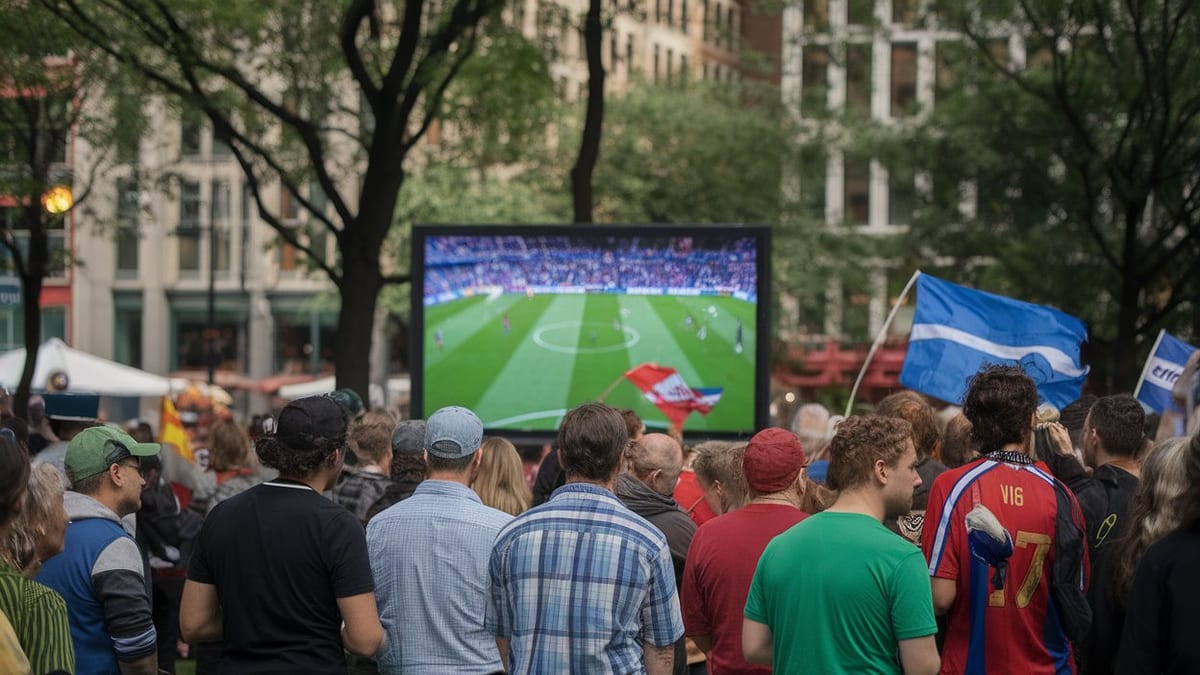
Image by Travel and Tour World – Tourism, Airline, Destination, MICE, Gobal Travel Market, Hotel news that you will find only over here.
Visitor Slowdown Sets the Stage for a High-Stakes Rebound
Seattle entered 2026 with a mixed tourism picture. Visitor volumes across Seattle and King County have not fully matched the record highs of 2019, when nearly 42 million visitors were recorded, and publicly available data shows that the sector is still rebuilding after the pandemic-era shock and shifting travel patterns. Downtown has seen crowds returning for events and waterfront attractions, yet overall activity remains uneven compared with pre-2020 benchmarks.
Recent economic reporting highlights a striking contrast between growing leisure traffic and a still-fragile downtown economy, particularly in the office market where values have fallen sharply since 2021. This backdrop has elevated the 2026 FIFA World Cup from a marquee sports event to a critical test of Seattle’s broader visitor recovery strategy.
Tourism analysts note that international travel to the United States has lagged behind other regions, and cities such as Seattle are competing aggressively for global attention. With the World Cup on the horizon, local planners are positioning the tournament as an inflection point that can pull in new overseas visitors and extend stays across the Pacific Northwest.
World Cup By the Numbers: Matches, Fans and Economic Impact
Lumen Field, which will be temporarily branded as Seattle Stadium for the tournament, is scheduled to host six World Cup matches between mid-June and early July 2026. Tournament guides and venue overviews indicate that the slate includes four group-stage games and two knockout fixtures, among them a highly anticipated United States men’s national team appearance and a June 26 clash currently scheduled between Iran and Egypt.
Regional tourism agencies and economic studies project that the World Cup will draw roughly 750,000 visitors to the Seattle area over the tournament period. Visit-focused assessments suggest the event could generate about 929 million dollars in total economic impact for King County, support around 20,000 jobs and deliver more than 100 million dollars in state and local tax revenue.
Independent analyses of World Cup host cities across North America similarly forecast a sharp spike in spending on hotels, restaurants, transportation and retail. In Seattle’s case, hospitality forecasts point to double-digit percentage gains in hotel revenues during the match window, along with elevated demand for short-term rentals and nearby attractions from the waterfront to the Cascade foothills.
Travel industry projections indicate that the visitor surge will not be limited to match days. Many fans are expected to blend game attendance with regional touring, using Seattle as a hub for side trips to nearby national parks, wine regions and coastal destinations, amplifying the overall tourism footprint.
Infrastructure and City Upgrades Aimed at Visitors
In anticipation of the influx, Washington state and local partners are investing in a range of upgrades. Publicly available budget documents show that lawmakers have approved tens of millions of dollars specifically tied to World Cup preparations, including roughly 19 million dollars for improvements at Lumen Field and additional funding for transportation, practice facilities and city cleaning efforts around stadium districts.
Transit agencies have been piloting enhanced service patterns around major sporting events to stress-test plans for 2026. Light rail operators have trialed increased train frequency, additional staff and more signage during large matches and concerts, with the aim of replicating and expanding those operations when World Cup crowds arrive.
Seattle-Tacoma International Airport is also amid a multi-year capital program valued at several billion dollars, adding gates, reconfiguring security checkpoints and expanding passenger amenities. Airport planning materials reference the World Cup as a key milestone, reinforcing the need to manage record passenger traffic while minimizing bottlenecks that could mar the visitor experience.
Within the city, neighborhood improvements near the stadiums and the waterfront are being framed as dual-purpose investments for residents and visitors. Street cleaning programs, wayfinding upgrades and public safety initiatives are being scaled up in areas where officials expect the highest concentration of fans, particularly around downtown, Pioneer Square and the Seattle Center campus.
Fan Zones and Regional Spillover Beyond the Stadium
Seattle’s World Cup plans extend well beyond Lumen Field. Event outlines describe a series of official and partner fan zones across Washington, with Seattle Center positioned as a central celebration site featuring match broadcasts, concerts and cultural programming. Additional viewing areas are expected in cities around the Puget Sound, aiming to spread both the crowds and the economic benefits.
Short-term rental data and host guidance published in late 2025 point to a surge in interest from homeowners and property managers across the region, from inner-ring suburbs to island and mountain communities. Rental platforms report that thousands of guests are expected to book in and around Seattle during the tournament, with average earnings per stay projected to rise as demand spikes.
Visitor research suggests that many international fans will add days on either side of matches to explore the broader Pacific Northwest. Tourism advocates are promoting itineraries that link urban attractions such as Pike Place Market and the new waterfront promenade with excursions to national parks, wine country and coastal towns, aiming to convert a one-time event into lasting destination awareness.
Regional economic organizations are also positioning the World Cup as a showcase for local businesses. From restaurants and craft breweries to outdoor outfitters and cultural institutions, many sectors are preparing special programming and extended hours in anticipation of heavy foot traffic before and after matches.
Opportunities, Risks and What Travelers Should Expect
While the projected economic boost is substantial, analysts caution that the benefits will not be evenly distributed and that the event presents operational challenges. Housing advocates and neighborhood groups have raised concerns about temporary spikes in rental prices and the risk of displacement in already tight housing markets, particularly if short-term rentals expand aggressively during the tournament window.
Transportation capacity, crowd management and public safety are also under close scrutiny. Planning documents emphasize the need for coordinated schedules between airlines, transit providers and event organizers to avoid gridlock on key match days. Travelers are being advised, in early guidance, to build in extra time for airport processing and to rely on rail and bus options rather than private cars when moving between the airport, downtown and the stadium.
For visitors, the practical takeaway is that Seattle is likely to be exceptionally busy from mid-June through early July 2026, especially on days when multiple fan zones are active. Hotel rates and short-term rental prices are widely expected to climb, with many properties already signaling minimum-stay requirements around high-demand matches.
At the same time, the scale of investment and planning suggests that travelers can expect more polished infrastructure, expanded transit options and an unusually dense calendar of cultural events. For a city still working to fully recover its visitor momentum, the World Cup represents both a stress test and a showcase, with the potential to reshape perceptions of Seattle as an international gateway long after the final whistle.