

More news on this day
While much of the Canary Islands prepares for packed beaches and busy resorts this Easter, a quiet green valley on Gran Canaria is drawing attention for a very different reason: it is home to what tourism and agricultural guides describe as Europe’s only commercial coffee plantations.
Get the latest news straight to your inbox!
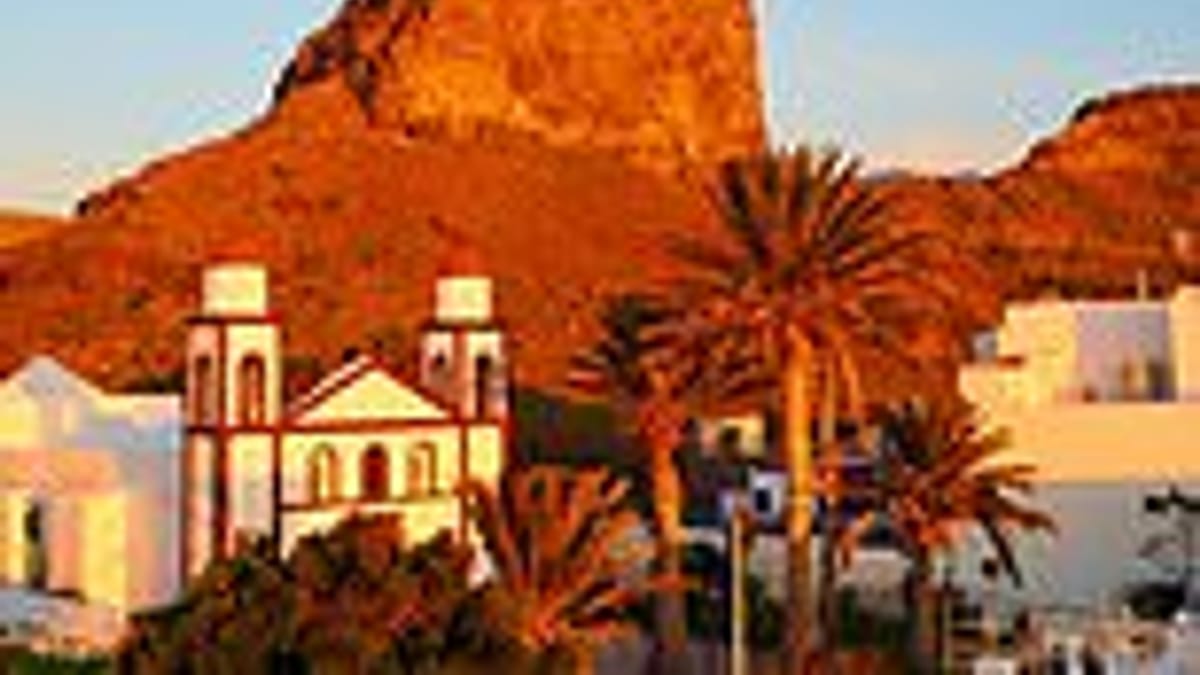
Image by Travel News | Top Europe Destinations & Holiday Ideas | Mail Online
Agaete Valley’s rare claim in Europe’s coffee map
Tucked into the mountainous northwest of Gran Canaria, the Agaete Valley has become a curiosity in European agriculture. Regional tourism dossiers and recent destination guides highlight the area as the only place in Spain and mainland Europe where coffee is grown commercially, thanks to a combination of volcanic soils, trade winds and a frost free microclimate that allows Arabica plants to thrive at higher latitudes than usual.
The coffee tradition in Agaete dates back to the 19th century, when plants of the Typica variety, believed to have Ethiopian origins, were introduced to the valley. While coffee growing largely disappeared elsewhere in the Canary Islands, small family fincas here continued to cultivate it on terraces alongside mangoes, oranges and vines, preserving techniques that are now being promoted as part of the island’s rural heritage.
Today, production remains small, measured in just a few tonnes of beans each year, which are typically hand picked, washed and sun dried on the estates. Travel operators and local information sheets describe Agaete coffee as a niche, high value product that is difficult to find outside the valley, adding to its reputation as a connoisseur’s secret rather than a mass market souvenir.
This rarity is feeding growing interest among visitors seeking out homegrown European coffee. Tourism authorities and private estates have responded by opening up parts of the valley to guided visits, tastings and short rural stays, positioning coffee as a central element in a wider experience of Gran Canaria’s interior landscapes.
Fincas, tastings and life among the coffee trees
Several working farms in the Agaete Valley now receive visitors for pre booked tours, where small groups can walk among coffee trees and mixed crops, observe traditional processing methods and sample freshly roasted beans. Publicly available information from these estates describes experiences that range from basic tastings to half day visits that combine coffee with local wine and citrus products.
At fincas such as La Laja and Los Castaños, coffee bushes grow in narrow terraces beneath avocado and orange trees, creating a layered canopy that helps protect the plants from wind and direct sun. Reports from recent travel features note that the patchwork of orchards, vineyards and coffee plots gives the valley a distinctly subtropical character, in marked contrast to the drier hillsides elsewhere on the island.
Visitors are typically guided through the stages from cherry to cup, including sorting, pulping and drying, before finishing with an espresso or filter coffee produced on site. Some farms also sell limited quantities of packaged beans and ground coffee, though demand frequently exceeds supply around peak holiday periods, reinforcing the sense of scarcity.
Because the plantations are relatively small and integrated into family run agricultural businesses, the atmosphere remains low key. Published descriptions emphasise that these are still working farms rather than theme park style attractions, and that tours are often capped at modest numbers to avoid overwhelming the estates.
Escaping the Easter crowds without leaving the island
For travellers planning an Easter break, Gran Canaria is better known for its southern resorts and busy promenades than for hillside coffee bushes. However, destination guides and hotel blogs are increasingly pointing to Agaete and its valley as an option for visitors seeking quieter days away from the main holiday hubs.
The whitewashed town of Agaete itself, along with the small harbour of Puerto de las Nieves, retains a more local rhythm even during peak seasons. While ferries, restaurants and seafront paths attract day trippers, the atmosphere is generally calmer than in the large resort complexes further south, according to recent leisure guides.
From there, a short drive inland leads to the valley’s coffee fincas and hiking routes. The narrow road climbs past terraced fields, small chapels and viewpoints towards the Tamadaba Natural Park, a protected area of pine forests and cliffs that forms part of a UNESCO recognised biosphere reserve. For many visitors, a day that combines a farm visit with a coastal swim or a walk in the highlands is becoming an appealing alternative to crowded pool decks.
Travel planners suggest that those staying in the main beach areas can visit Agaete on a day trip by car or organised excursion, timing their arrival earlier in the morning over Easter to keep ahead of any increase in visitor numbers. Public buses also connect the capital, Las Palmas de Gran Canaria, with Agaete, providing an option for those who prefer to travel without a hire car.
Rural Gran Canaria beyond the coffee cup
While the coffee plantations are the main draw for many international visitors, the Agaete area offers a wider set of attractions that help spread interest beyond a single activity. Cultural and environmental publications highlight the Maipés de Agaete archaeological site, a lava field necropolis with hundreds of pre Hispanic burial mounds, as one of the island’s most distinctive historic landscapes.
Along the coast, natural rock pools at Las Salinas provide a sheltered alternative to open Atlantic surf, particularly attractive during Easter when families look for safe places to swim. Inland, a network of trails leads through ravines and up to panoramic viewpoints, offering chances to see the agricultural mosaic from above, including coffee plots, citrus groves and patches of native vegetation.
Local gastronomy also plays a role. Restaurants and rural houses in and around Agaete promote dishes based on island produce, including goat cheeses, seasonal vegetables and fish landed at Puerto de las Nieves. In recent years, some establishments have begun pairing meals with tastings of Agaete coffee, positioning it alongside wine and rum as a signature flavour of Gran Canaria.
Together, these elements are helping to reframe the northwest of the island as a destination in its own right, distinct from the high rise beachfronts associated with Canary Islands tourism. For visitors who time their trips carefully, the combination of Europe’s only commercial coffee crop, a quieter coastal town and access to protected natural areas offers an alternative Easter experience within easy reach of the island’s main transport hubs.