

More news on this day
Passengers on a Southwest Airlines flight from Nashville to Fort Lauderdale endured a frightening midair security scare Friday night when their aircraft diverted to Atlanta after an onboard threat was reported, prompting an emergency law enforcement response and hours of delay.
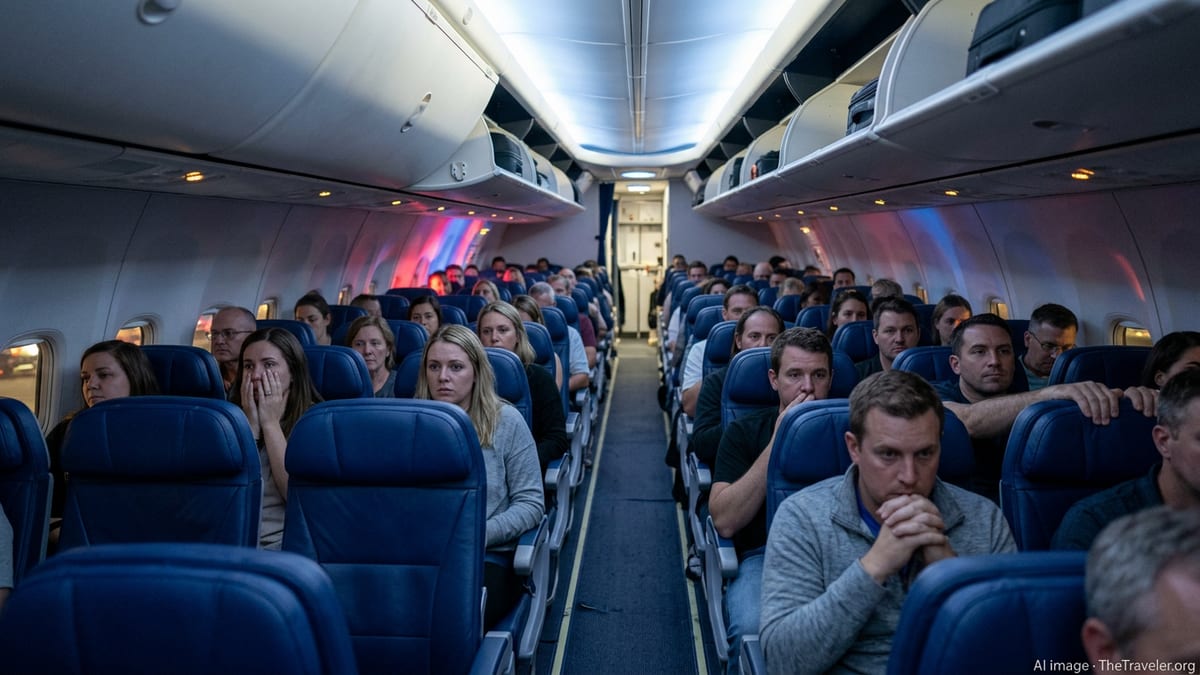
Flight 2094 Diverted After Midair Threat Report
Southwest Airlines Flight 2094 departed Nashville International Airport on the evening of March 6, bound for Fort Lauderdale, with what passengers expected to be a routine journey to South Florida. Instead, the flight crew received word of a possible security threat involving a passenger, forcing the Boeing 737 to alter course and head for Hartsfield Jackson Atlanta International Airport, one of the nation’s busiest aviation hubs.
The airline later described the situation as a “possible security matter,” while local media and social posts from those on board characterized it as a bomb threat that escalated quickly in the cabin. The captain advised travelers that the aircraft would be diverting, and the mood on board shifted from frustration over delays to palpable fear as the full seriousness of the situation became clear.
The flight landed safely in Atlanta at around 9 p.m. local time, where it was met by airport police and federal law enforcement. Officers boarded the aircraft on the tarmac, ordered passengers to remain seated and then removed one individual from the plane in connection with the reported threat.
Video clips later shared online appeared to show cabin crew instructing passengers to put their hands up and remain calm as officers entered the aircraft, underscoring the intensity of the moment for those on board.
Law Enforcement Response Finds No Credible Threat
Following the unscheduled landing, Atlanta police worked alongside federal agencies to secure the aircraft and interview passengers and crew. Authorities confirmed that one person was detained during the initial response and taken off the aircraft for questioning as part of the investigation into the alleged threat.
By Saturday morning, the Federal Bureau of Investigation’s Atlanta office said that investigators had found no credible threat arising from the incident. According to statements relayed to local outlets, the individual detained was not charged, and the case closed without criminal accusations, despite the dramatic circumstances that unfolded in the cabin.
Officials have not publicly disclosed what was said or done on board to trigger the security scare, citing the ongoing review of procedures and privacy considerations. The lack of detailed information has left many questions among travelers and observers, but authorities emphasized that their priority was to act out of an abundance of caution while ensuring the safety of everyone on the aircraft.
For the agencies involved, the diversion to Atlanta was treated as a textbook example of a potential threat that must be taken seriously until fully resolved, even when it ultimately proves to be unfounded.
Passengers Describe Terrifying Moments in the Cabin
For passengers, however, the fear felt very real in the air and on the ground. Travelers described a tense and surreal scene as the plane descended into Atlanta more quickly than expected and then remained on the tarmac while law enforcement prepared to board. Some reported seeing emergency vehicles racing alongside the aircraft as it taxied to a remote stand.
Accounts posted online by those who said they were on Flight 2094 describe a sudden shift in instructions from the crew shortly after landing. Cabin crew reportedly told everyone to stay seated, keep their hands visible and avoid reaching for overhead bins, instructions more often associated with security drills than a typical diversion or weather delay.
Several passengers wrote that they heard references to a bomb or explosives threat, and that the combination of urgent announcements, unusual procedures and the presence of armed officers triggered panic for some travelers. Others praised the professionalism and calm of the flight attendants, crediting them with helping to prevent the situation from spiraling into chaos.
Once the detained passenger was removed and the cabin was cleared by authorities, many aboard were left emotionally drained. Parents tried to reassure anxious children, and adult travelers traded stories about where they were sitting and what they had heard during the incident, processing the experience as they waited for further instructions.
Lengthy Delay Highlights Modern Air Travel Realities
After the aircraft was declared safe, passengers were moved to another Southwest jet in Atlanta to continue their journey to Fort Lauderdale. According to the airline, the replacement flight departed later that night, with travelers finally arriving in South Florida just before 3:30 a.m. on March 7, several hours behind schedule.
For many, the long overnight delay was a small price to pay for a safe outcome, but it also underscored how quickly modern air travel can be disrupted by even a single reported threat. A routine regional flight became an hours long ordeal involving a diversion, a security sweep, law enforcement interviews and rebooking procedures for more than one hundred travelers.
The incident comes as airlines and security agencies continue to navigate the balance between rapid threat response and minimizing disruption. Under federal rules and internal airline policies, any mention of weapons, explosives or similar threats on board typically triggers an immediate and serious reaction, even if the information later proves inaccurate or the situation is the result of a misunderstanding or inappropriate remark.
Experts note that while diversions and midair security scares remain relatively rare compared with the vast number of flights operating daily in the United States, episodes like the Nashville to Fort Lauderdale diversion serve as a reminder that protocols are designed to err firmly on the side of caution.
Southwest Emphasizes Safety and Support for Travelers
In statements issued after the incident, Southwest Airlines thanked its crew and apologized to passengers for the hours of disruption to their travel plans. The carrier reiterated that safety and security are its highest priorities and said it had reached out directly to customers from Flight 2094 to offer support and express regret for the distressing experience.
The airline did not release additional details about the passenger removed in Atlanta or the precise nature of the alleged threat, deferring to law enforcement authorities on investigative matters. It did, however, stress that its crews are trained to respond quickly and in coordination with ground agencies whenever a potential risk is identified in flight.
For Southwest and other carriers, the episode will likely feed into ongoing reviews of training, communication and passenger handling during security incidents. While the investigation concluded with no credible threat found, the images and firsthand accounts circulating from Flight 2094 highlight how unsettling such situations can be from the traveler’s perspective, even when protocols work as designed.
As weekend operations resumed across the airline’s network, Flight 2094’s diversion stood out as a stark example of how, in contemporary aviation, one alarming comment or action can turn an otherwise ordinary flight into a long and anxious night for everyone on board.