

More news on this day
Passengers at Kansas City International Airport faced hours of disruption on Sunday, March 8, after a reported security threat prompted the evacuation of parts of the main terminal and brought FBI agents and local law enforcement rushing to the busy Midwestern travel hub.
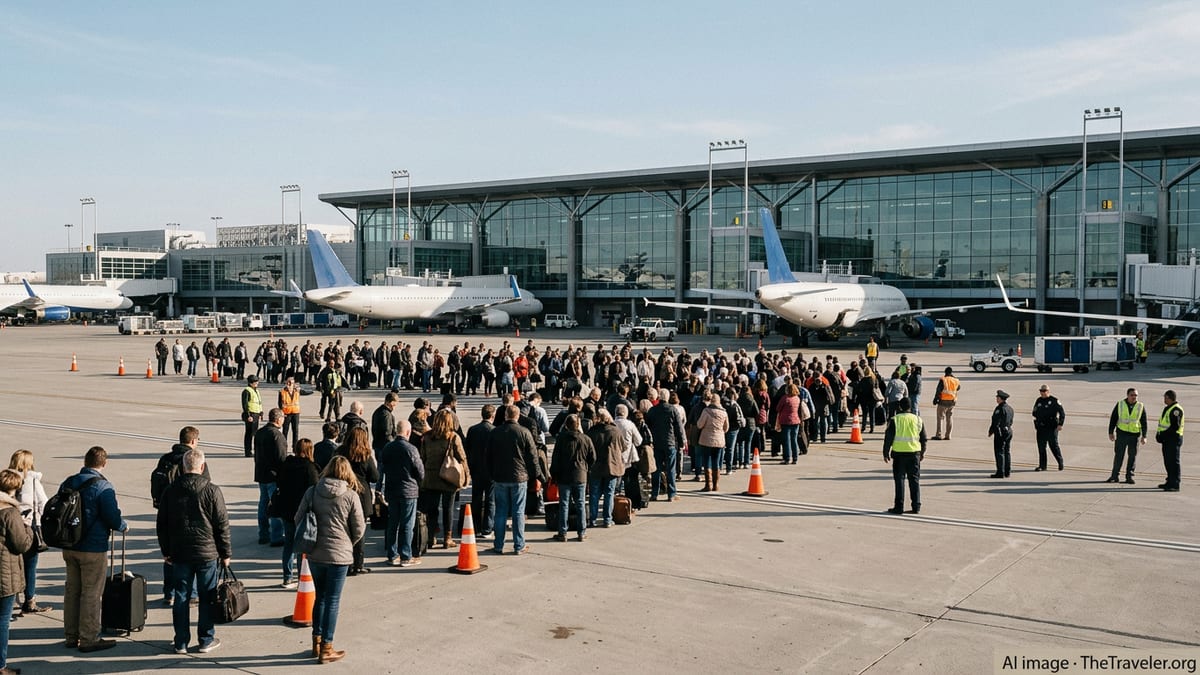
Evacuation Order Empties Terminal and Sends Travelers Outside
The Kansas City Aviation Department confirmed that sections of the terminal at Kansas City International Airport, known by its code MCI, were cleared late Sunday morning after officials became aware of what they described as a potential or possible threat in the public, pre-security area of the building.
The evacuation began shortly after 11:15 a.m. local time, according to airport officials. Passengers inside the terminal reported seeing airport police, K9 units and additional law enforcement converge on the departure level before workers moved quickly through the concourses instructing people to leave the building.
Travelers described a hurried but generally calm exit as airport staff directed crowds toward exits and, in many cases, onto the tarmac and adjacent outdoor areas. Social media posts showed large groups of passengers standing on the apron and near jet bridges, many holding carry-on bags and winter coats in unseasonably brisk conditions while they waited for updates.
Airport officials said the evacuation allowed law enforcement teams to secure the facility and conduct targeted searches while minimizing the risk to travelers and employees.
FBI Leads Threat Investigation Alongside Local Authorities
Airport police quickly requested federal support once the threat was identified, and the FBI’s Kansas City field office confirmed that agents responded to the airport to assist with the investigation. Officials said their primary focus was to determine the credibility and nature of the reported threat while ensuring that no dangerous devices or materials were present in the terminal.
While authorities did not immediately disclose specifics, including whether the threat involved a bomb report, suspicious item or violent act, they stressed that the response was taken out of an abundance of caution. The FBI said its personnel were working closely with airport law enforcement and other agencies to review available evidence, including surveillance footage and witness statements.
Homeland security and aviation security specialists note that such threats are treated as real until proven otherwise, particularly in unsecured public areas like ticketing halls and check-in zones, where crowds are dense and screening has not yet occurred. That, they say, explains the breadth of the evacuation and the visible federal presence at the scene.
As of late Sunday afternoon, officials had not publicly announced the results of the threat assessment or whether any arrests had been made, but they indicated that the situation was contained and that investigators would continue to follow leads in the coming days.
Flights Held, Delayed and Diverted as Operations Grind to a Halt
The sudden evacuation had immediate ripple effects on air travel at Kansas City International, an important regional gateway with connections across the United States. Flights that landed during the shutdown were held on taxiways instead of proceeding to gates, while some departures were delayed, cancelled or briefly diverted to other airports.
For roughly two hours around midday, portions of the terminal were closed to both departing and arriving passengers as security teams conducted sweeps. During that time, ticket counters and security checkpoints were inaccessible, stranding travelers without clear information on when they would be able to re-enter the building or rebook missed connections.
Airlines began warning customers of delays through mobile notifications and airport display boards, advising passengers to monitor their flight status and expect longer wait times once screening resumed. Some carriers temporarily implemented flexible rebooking options for affected customers, allowing them to switch to later flights without additional fees.
Once the all-clear was given and the terminal reopened early in the afternoon, the priority shifted to moving thousands of evacuated passengers back through security and onto their flights. That process created long lines at Transportation Security Administration checkpoints and crowded gate areas, leaving the airport working through a backlog that was expected to last into the evening.
Confusion and Anxiety Among Travelers on the Ground
For many passengers, the most difficult part of the incident was the uncertainty. Several travelers reported that they initially received little information beyond urgent instructions to leave the terminal, and said that rumors about a bomb threat or active shooter spread quickly among the crowds outside.
Families traveling with small children, elderly passengers and those with mobility challenges were particularly affected as they navigated the evacuation with limited seating and shelter outdoors. Some travelers described abandoning food purchases or leaving personal items behind in the rush to exit, unsure if or when they might be allowed back inside to retrieve them.
Despite the confusion, witnesses generally characterized the crowd as orderly, noting that most people followed directions from staff and law enforcement. Airport volunteers and airline employees were seen distributing basic information and helping passengers identify where to regroup once the building reopened.
Travel industry analysts said the event underscored how quickly a single security scare can upend travel plans for thousands of people, especially at a hub airport on a busy weekend travel day.
Heightened Focus on Airport Security and Traveler Preparedness
The disruption at Kansas City International comes amid broader concerns over aviation security and a series of recent security-related incidents at U.S. airports and on commercial flights. While many reported threats ultimately prove not to be credible, experts say each episode prompts reviews of protocols, communication procedures and coordination between local and federal agencies.
Security specialists point out that rapid evacuations are designed to protect life first, with convenience and schedule considerations taking a back seat. They also emphasize that public awareness remains a key component of aviation security, encouraging travelers to report unattended bags, suspicious behavior or threatening language to authorities.
For passengers, Sunday’s events serve as a reminder to build extra time into airport visits, keep essential medications and documents in easy-to-carry personal items and remain attentive to public announcements and staff instructions. Travel advisers suggest that those flying through Kansas City and other major hubs in the coming days stay in close contact with their airlines in case schedule adjustments continue as a result of the operational disruption.
As investigators work to determine who or what was behind Sunday’s reported threat, Kansas City International is once again operating, but the images of thousands of travelers standing outside the terminal highlight how vulnerable even routine journeys can be to sudden and serious security scares.