

More news on this day
Seibu Railway has launched its new L00 Series trains on the Yamaguchi Line, marking the first full fleet renewal for the automated guideway route in roughly four decades and signaling a broader push to modernize regional transport in Tokyo’s western suburbs.
Get the latest news straight to your inbox!
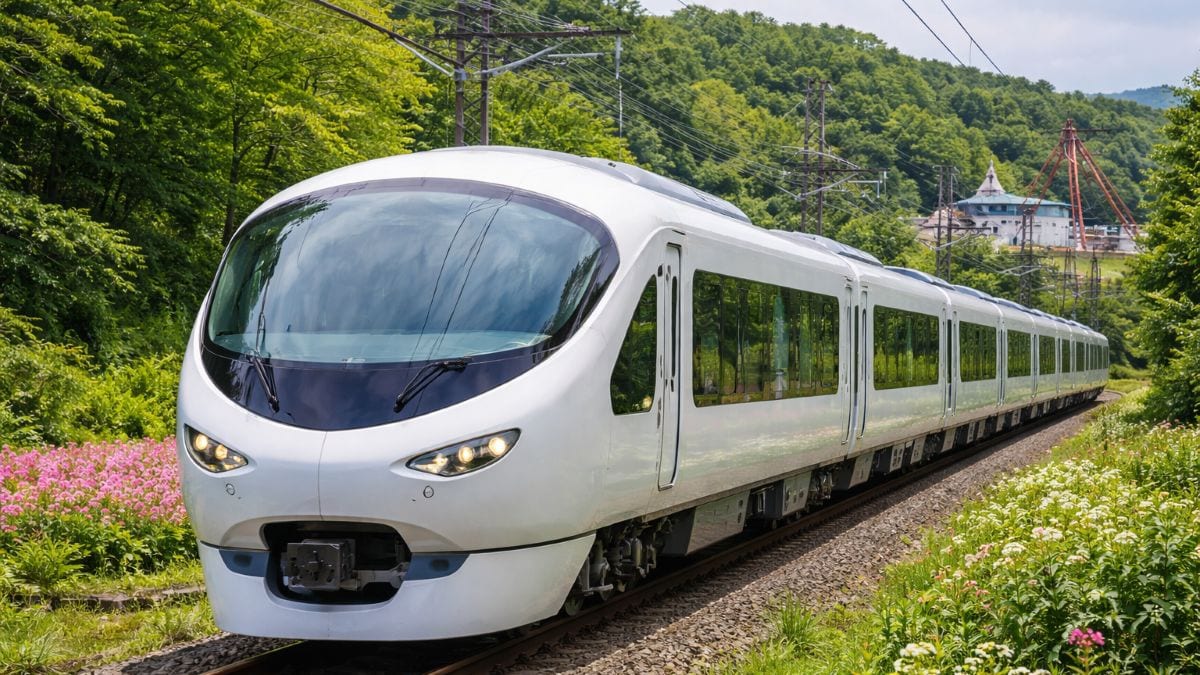
Image by Latest International Railway News, Global Rail Industry News
A Long-Awaited Upgrade for the Leo Liner
The L00 Series enters service on the Seibu Yamaguchi Line, also known as the Leo Liner, in late March 2026, replacing the 8500 Series vehicles that have operated since the line opened in 1985. Publicly available information shows that the new train is manufactured by Mitsubishi Heavy Industries and classified as a people mover type, tailored to the short, shuttle-style operation of the route connecting Seibu-Kyūjō-Mae and Seibu-Yūenchi stations.
Reports indicate that Seibu Railway placed an order for three four-car trainsets, for a total of 12 cars, with deliveries scheduled through fiscal year 2027. The first set is now in service, with additional sets to follow as the older fleet is progressively retired. The introduction is framed as the first major upgrade to rolling stock on the line in around 40 years, underscoring the scale of the change for daily users.
According to published coverage, the L00 Series is designed to support driverless operation on the automated guideway, while offering improved performance and lower energy consumption compared with its predecessor. The trains are built with aluminum alloy car bodies and use modern VVVF traction systems and three-phase induction motors, aiming to reduce operating costs and environmental impact over the long term.
For Seibu, the project sits within a wider program of investment that includes timetable revisions and fare changes scheduled around March 2026, as the operator seeks to balance financial sustainability with service upgrades across its network.
Comfort-Focused Design for Leisure Travelers
The Yamaguchi Line primarily serves visitors heading to Belluna Dome, home of the Saitama Seibu Lions baseball team, and the Seibu amusement park complex. The L00 Series has been styled with these leisure flows in mind, with the first set featuring a design inspired by the Lions’ team imagery, creating a visual link between the railway and the stadium it serves.
Interior layouts reflect a focus on short, frequent rides rather than long-distance commuting. Public information describes a capacity of around 144 passengers per four-car set, with just over a third of those seated, prioritizing generous standing space and wide aisles to handle event crowds and family groups. The single wide door per side on each car is intended to simplify boarding and alighting at compact platform facilities.
The cabins adopt bright finishes and large windows to emphasize the scenic aspects of the ride through the wooded hills near the amusement park. Passenger comfort is further supported by updated air conditioning and improved noise and vibration control compared with the aging 8500 Series, aiming to make the short shuttle ride a more pleasant part of a day out.
Seibu has also highlighted accessibility improvements in its broader fleet plans, and the L00 Series aligns with this direction through low-threshold interiors and spaces that can accommodate strollers and wheelchairs more comfortably, which is particularly important on a line frequently used by families with young children.
Efficiency and Capacity Gains on a Compact Line
Operational efficiency has been a central theme of the L00 Series project. Mitsubishi Heavy Industries has promoted the train as part of its Crystal Mover family of automated guideway systems, emphasizing lighter car bodies, regenerative braking, and traction control technologies aimed at reducing power consumption over the life of the fleet.
The new trainsets are designed with a maximum operating speed of around 60 kilometers per hour, sufficient for the short, shuttle-style runs of the Yamaguchi Line while providing headroom for timetable adjustments and recovery from minor delays. The enhanced acceleration and braking performance, compared with the 1980s-era stock they replace, gives Seibu more flexibility to schedule frequent services on busy event days.
Published material from Seibu and its partners notes that the new fleet is intended to boost carrying capacity during peak flows to and from Belluna Dome and the amusement park. By standardizing on four-car formations with modern control systems, the company aims to maintain reliable headways and reduce crowding without expanding station infrastructure.
The introduction of communications-based train control on the Yamaguchi Line, referenced in corporate planning documents, is expected to complement the L00 Series rollout, supporting closer train spacing and more precise operations in the medium term.
Part of a Broader Modernization Across Seibu’s Network
The L00 Series launch arrives as Seibu Railway steps up investment in new rolling stock on several lines. Recent announcements outline plans for a next-generation limited express train on the Shinjuku Line in 2027 and the deployment of so-called “sustainable trains” on other routes through the acquisition and refurbishment of used vehicles from other operators.
Fare revision filings and investor communications point to a strategy that pairs infrastructure and fleet renewal with modest price increases and new ticket products, including enhanced passes for children. The Yamaguchi Line upgrade is presented as a flagship example of this approach, bringing a visible improvement to a route closely associated with the Seibu Group’s leisure businesses.
For passengers, the changes promise a more consistent experience across the network, with newer interiors, standardized information systems, and enhanced accessibility features progressively replacing aging fleets. The L00 Series, with its distinctive exterior design and modern interior fit-out, functions as a showcase of this direction in a compact, high-profile setting.
Industry observers note that Seibu’s investment on a relatively short branch line reflects the strategic importance of reliable, high-quality access to its stadium and theme park assets. The new trains are expected to play a role not only in transport operations but also in the overall appeal of these destinations to visitors from across the Tokyo region and beyond.
Implications for Visitors and Local Communities
For travelers planning trips to western Tokyo, the debut of the L00 Series is likely to make journeys to Belluna Dome and the surrounding leisure area more predictable and comfortable. Event attendees can expect modern trains with improved boarding, cooling, and ride quality, particularly valuable during summer baseball games and peak holiday periods at the amusement park.
The refreshed rolling stock is also anticipated to support tourism campaigns that highlight the area as part of a broader “golden route” through Tokyo’s suburbs, combining sports, nature, and family attractions. Travel guides have already begun to feature the new trains as part of suggested itineraries for visitors seeking experiences beyond central Tokyo’s busiest districts.
For nearby communities, the upgrade underscores a long-term commitment to the Yamaguchi Line’s role as a connector between local neighborhoods and regional leisure hubs. While the route is relatively short, its reliability and appeal can influence how residents move around the area and how often they choose rail over private cars for outings.
As additional L00 Series sets enter service over the next several years, Seibu Railway is expected to phase out the last of the 8500 Series, closing a chapter that stretches back to the mid-1980s and fully transitioning the Leo Liner into a new era of travel comfort and efficiency.