

More news on this day
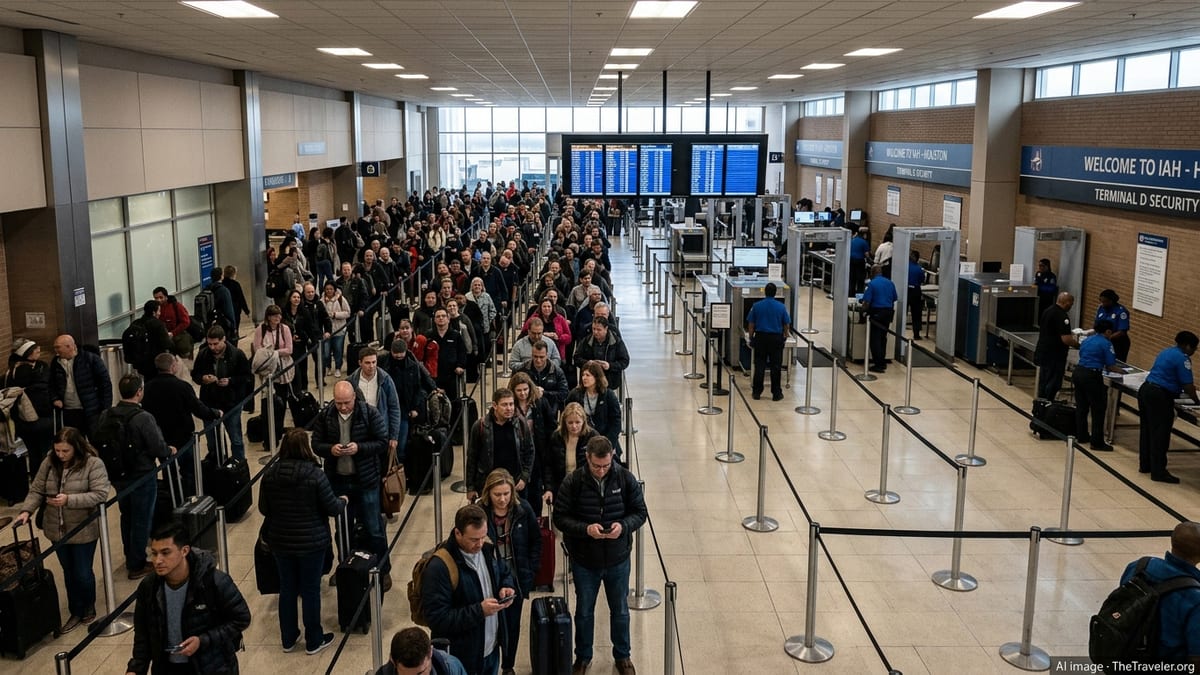
As the Department of Homeland Security shutdown drags into late March, Senate negotiators are racing to assemble a final funding offer while Transportation Security Administration staffing shortfalls trigger hourslong security lines and mounting delays at major U.S. gateways including Houston, Washington D.C. and New York.
Get the latest news straight to your inbox!
Senate Negotiators Seek Off-Ramp to Prolonged DHS Standoff
In Washington, the latest flashpoint in the partial federal government shutdown centers on the Department of Homeland Security budget, with bipartisan groups of senators attempting to piece together a final compromise proposal to restore funding. Publicly available legislative summaries and recent Senate floor coverage describe a narrow path for a deal that would keep DHS operating while lawmakers continue to spar over immigration enforcement measures and border policy.
Reports indicate that Senate leaders have explored a short-term Department of Homeland Security funding bill that could be paired with separate debates on the most contentious policy riders, in an effort to decouple immediate operational needs from longer-term ideological battles. Several accounts of the negotiations suggest that any final Senate offer would need support from both parties to clear the 60-vote threshold and then overcome resistance in the House, where some members have favored a harder line on immigration provisions.
Published coverage notes that the current standoff follows earlier temporary measures that kept DHS funded into February, delaying but not resolving the underlying disputes. As the shutdown extends into a critical spring travel period, the political incentives to accept a compromise are growing, especially as images of lengthy airport lines circulate nationwide and business groups warn of mounting economic damage.
Houston Emerges as Epicenter of TSA Staffing Crisis
Among the nation’s airports, Houston’s George Bush Intercontinental has become a focal point of travel disruption linked to the shutdown. According to recent national reporting and local airport updates, wait times at standard security checkpoints there have repeatedly stretched to three and even four hours on peak mornings, with lines snaking across multiple levels of the terminal complex.
Publicly available information from Houston’s airport system and national news outlets indicates that staffing shortages, compounded by elevated spring break demand, have forced the closure of several security checkpoints at various times. On some days, only a fraction of available lanes have been open, significantly reducing throughput even as passenger volumes remain high.
To stabilize operations, local updates show that Immigration and Customs Enforcement personnel and other federal staff have been temporarily reassigned to support checkpoint functions alongside Transportation Security Administration officers. While this has helped reduce the worst bottlenecks, travelers continue to report highly variable wait times, with early morning peaks still presenting the greatest challenge. The situation in Houston has drawn national attention because it illustrates how quickly a major hub can be strained when large numbers of security screeners are working without pay or leaving the agency altogether.
Washington and New York Airports Buckle Under Shutdown Pressures
The effects of the shutdown are also visible along the busy Washington and New York air corridors, where airports handle a heavy mix of government, business and leisure travel. Recent accounts of conditions at Reagan National and Washington Dulles describe unpredictable security waits linked to heightened callouts among Transportation Security Administration personnel, forcing managers to consolidate lanes and rely on overtime to keep checkpoints functioning.
In the New York region, published coverage highlights a patchwork of disruptions across LaGuardia, John F. Kennedy International and Newark Liberty International airports. LaGuardia, in particular, has faced additional strain this week following schedule disruptions tied to a recent runway collision investigation, compounding shutdown-related staffing gaps at security checkpoints. Travelers have reported extended screening times during morning and evening rush periods, as well as sporadic flight delays when crews or passengers are unable to clear security in time.
Operational updates and airline travel advisories for the Washington and New York markets increasingly emphasize the need for passengers to arrive far earlier than usual, sometimes three hours in advance for domestic departures. These recommendations reflect both the uncertainty around staffing levels on any given shift and the ongoing risk of last-minute checkpoint closures when available officers fall below a safe operating threshold.
TSA Workforce Under Unprecedented Financial and Operational Strain
Across the country, the Transportation Security Administration workforce is at the center of the shutdown’s travel fallout. Publicly available data from the Department of Homeland Security and recent national reporting show that hundreds of screening officers have resigned since Transportation Security Administration paychecks first stopped in mid-March, while unscheduled absences have climbed at several large airports.
According to aggregated reporting on federal personnel figures, the agency employs nearly 50,000 officers nationwide, many of whom are designated as essential and required to work without pay during funding lapses. As the shutdown lengthens, these workers are increasingly relying on savings, credit or temporary side jobs, intensifying concerns about retention and morale. Aviation security specialists quoted in recent coverage warn that extended financial stress can drive experienced screeners out of the profession and make it harder to ramp staffing back up once funding is restored.
In response to the growing backlash from travelers and industry groups, lawmakers in both chambers have reintroduced proposals that would guarantee pay for Transportation Security Administration and Federal Aviation Administration personnel during any future shutdowns. Legislative trackers show that similar bills have been filed after previous funding crises but have regularly stalled once the immediate emergency ended, raising questions about whether current frustrations will translate into lasting policy changes this time.
Airlines and Travelers Adjust Plans Amid Prolonged Uncertainty
For airlines and travelers, the extended Department of Homeland Security shutdown has become a logistical test of flexibility and patience. Airline operational updates and industry analysis note that carriers serving Houston, Washington and New York have increasingly adjusted schedules, re-timed departures and relaxed certain rebooking rules to accommodate customers delayed at security. Some travel advisors recommend booking earlier flights in the day, avoiding tight connections and allowing substantially longer connection times through heavily affected hubs.
Travel organizations and business coalitions are also stepping up pressure on Congress, circulating letters that warn of billions of dollars in potential losses to the broader travel economy if prolonged delays dampen demand. Their messages emphasize that airports are entering a busy spring and summer season when security lines are typically longest even in normal operating conditions, making the current staffing and pay disruptions especially risky.
For now, publicly available information suggests that passengers departing from Houston’s Bush Intercontinental, Washington-area airports and the New York metro system should plan for the possibility of severe delays at Transportation Security Administration checkpoints. Until senators can translate their latest negotiating framework into an enacted funding package, the nation’s air travel system remains highly vulnerable to the next wave of callouts, resignations or operational surprises at already stretched security lines.