

More news on this day
Seoul’s hotel market is entering 2026 at full throttle, with surging foreign arrivals, limited new room supply and a favorable exchange rate combining to push demand to record highs and redraw the city’s luxury and boutique landscape.
Get the latest news straight to your inbox!
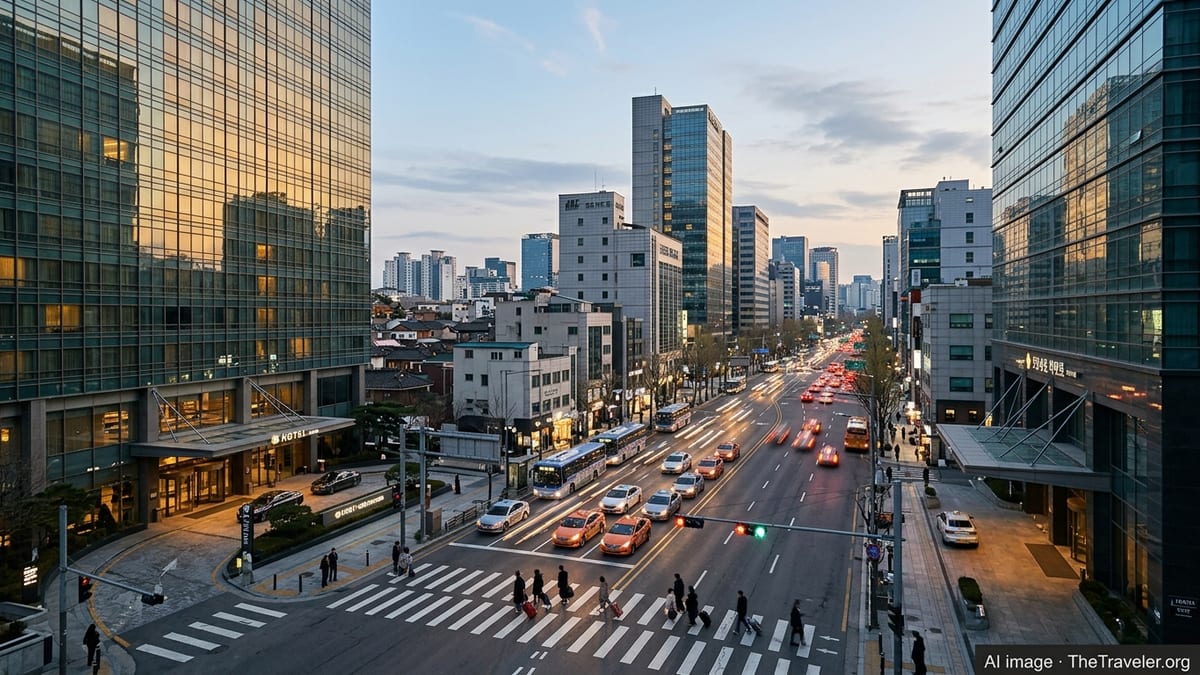
Record Tourism, Tight Supply and a New 2026 Peak
Recent tourism and market data show South Korea on track for its strongest inbound year yet, with policymakers and analysts expecting foreign visitors to surpass the pre pandemic peak and potentially reach around 20 million nationwide in 2026. Publicly available figures for 2024 and 2025 already point to rapid growth, after inbound arrivals rebounded to above 90 percent of 2019 levels and continued climbing. In Seoul, municipal updates describe international visitor volumes in early 2025 that exceeded comparable pre crisis months, underscoring the capital’s central role in the national tourism boom.
Hotel performance has tightened in parallel. Industry statistics compiled for 2026 market outlooks indicate that Seoul’s upscale and luxury properties finished 2023 with occupancy pushing into the high 70 percent range on average, while select 3 and 4 star hotels were reported near or above 80 percent. More recent reporting from domestic business media notes that major five star brands in the city have nudged room occupancy higher again through 2024 and early 2025, despite only modest increases in overall room stock.
This combination of accelerating demand and constrained supply is at the core of the record pressure global travelers are now feeling when they search for rooms in 2026. Industry research from international consultancies projects that the South Korean hotel market will be fully recovered and operating at historically strong levels through 2025 and 2026, underpinned by diversified source markets, K content driven interest, and the rebound of group and business travel.
Property investment trends reinforce the picture of a market running hot. Local financial coverage describes large inflows of capital into both prime luxury assets and mid scale conversion projects in central districts such as Myeongdong, Jongno and Gangnam, as investors respond to high occupancy, rising average daily rates and limited buildable land. Analysts note particular interest in repositioning older business hotels and office blocks as lifestyle oriented accommodation, aimed at younger international visitors.
Luxury Seoul: Flagship Towers and Global Brands
At the top end of the market, Seoul’s established luxury icons are entering 2026 with some of their strongest trading conditions in years. Landmark properties in Jamsil, Yeouido and central Jung gu report consistently high occupancy, supported by long haul leisure travelers from North America and Europe, high spending visitors from Southeast Asia and the Middle East, and a continued flow of domestic guests booking staycations.
Several new or rebranded luxury projects are also reshaping expectations. International hotel groups have outlined pipelines that include ultra luxury hotels and branded residences in central Seoul, with research firms tracking openings and planned launches through 2029. Announcements by global names such as Capella and Rosewood highlight a strategy of pairing high end rooms with destination dining and wellness concepts, often housed within mixed use developments that combine office towers, high end retail and cultural venues.
For travelers, this means a 2026 landscape where traditional grand hotels now sit alongside a wave of newer luxury addresses that emphasize design, art and neighborhood connection. Guests can opt for skyline views from super tall towers in eastern Seoul, riverfront retreats facing the Han, or historic core locations within walking distance of palaces, heritage alleys and major department stores. Across the board, published rate data suggests that nightly prices at the very top tier have risen, but are being partially offset in real terms for many foreign visitors by the weakened won.
Global tourists planning peak season trips should anticipate that headline properties will sell out early around spring blossom, autumn foliage and major events, and may find that midweek nights linked to conferences or concerts are now as competitive as weekends. Industry commentary indicates that flexible dates and focusing on shoulder periods can significantly improve the odds of securing preferred luxury stays.
Boutique, Lifestyle and Hanok Stays in High Demand
While Seoul’s five star segment attracts much of the attention, the most dynamic shift in 2026 may be taking place in the boutique and lifestyle categories. Market analyses of 3 and 4 star hotels show particularly strong occupancy gains as independent travelers, digital nomads and small groups look for character rich alternatives to large chains. Domestic business press reports an investment wave into these mid scale properties, citing relatively lower entry costs and very stable tourist demand.
Neighborhoods just beyond the traditional tourist core are benefitting. In areas such as Euljiro, Mapo and Seongsu, older office and commercial buildings are being converted into compact hotels and hybrid spaces, blending accommodation with cafes, concept stores and co working floors. These projects respond directly to a generation of visitors drawn to Seoul’s creative districts, street fashion and nightlife as much as its royal palaces.
Traditional style stays are also tightening. Hanok guesthouses in Bukchon, Seochon and other historic quarters have become emblematic of the city’s tourism identity, often booking out far in advance despite community led efforts to control overtourism and protect residential life. Local regulations in Bukchon, including evening restrictions in some alleys, mean that 2026 visitors choosing hanok lodgings need to pay close attention to updated access rules and be prepared for quieter nighttime streets.
The result is a boutique and alternative stay scene that feels more mature and more crowded. Travelers who once booked last minute are now finding limited choice in preferred districts during holiday periods. At the same time, the range of experiences has broadened, from minimalist design hotels overlooking the Cheonggyecheon stream to industrial loft style rooms near Seongsu’s galleries and music venues.
Pricing, Currency and When to Book in 2026
Behind the headlines about record demand sits a second factor shaping how 2026 visitors experience Seoul’s hotel market: currency. Travel focused commentary from foreign visitors currently in the city highlights the effect of a relatively weak won against major currencies, noting that on the ground spending for accommodation and dining can feel significantly more affordable than pre pandemic trips when converted back into dollars or euros.
Industry wide data on room rates shows that average daily rates in Seoul have climbed over the past two years, helped by strong occupancy and higher operating costs. Yet for many international guests, the exchange rate has partly neutralized those increases. This has encouraged some travelers to upgrade from budget options to mid range or even entry level luxury properties, feeding further demand at the upper end and narrowing the gap between categories.
For booking strategy, analysts and travel planners point to clear patterns. Spring and autumn remain the tightest seasons, particularly around cherry blossom in April, major festivals, and peak foliage in late October and early November. Major K pop concerts, international sports fixtures and conferences can also cause sharp short term spikes in rates across multiple districts. Travelers targeting these windows are generally advised to secure rooms several months ahead, especially if aiming for specific luxury or boutique brands.
By contrast, winter outside the year end holiday period and the humid height of late summer tend to show more availability, though even these periods have become busier as global tourism rebounds. Flexible travelers who can shift their Seoul stay by a few days or move between districts may find better value, particularly in newly opened lifestyle hotels that are still building an international profile.
Navigating Seoul’s Hotel Districts Like a Local
For first time visitors facing record demand in 2026, understanding Seoul’s hotel geography can be as important as choosing a star rating. Myeongdong and nearby Jung gu remain the classic base for shopping and quick access to heritage sites, but high footfall and constrained supply often translate into higher rates and busy streets. As investment returns to the district, more properties are being refurbished or rebranded, occasionally reducing room inventory during construction phases.
To the south of the river, Gangnam and neighboring areas such as Samseong and Sinsa continue to attract high end hotels and business friendly brands, supported by convention centers, designer retail and nightlife. Here, luxury and upper upscale rooms concentrate around major complexes and transport hubs, appealing to travelers who prioritize modern design and easy airport connections via limousine buses and metro lines.
Alternative urban experiences await in Mapo, Hongdae, Hapjeong and Yeonnam dong, where smaller hotels and guesthouses serve visitors focused on live music, cafes and late night dining. In these districts, boutique properties often trade on proximity to independent galleries, vintage stores and green spaces, with room rates that can be more forgiving than in core tourist zones during peak weeks.
Finally, travelers seeking quieter stays increasingly look toward Seongsu, eastern Jamsil beyond the immediate orbit of major towers, and riverside neighborhoods with easy subway access. As 2026 progresses, these secondary clusters are expected to absorb some of the overflow from central Seoul, providing a practical way for global tourists to navigate one of the most competitive hotel markets in Asia while still tapping into the city’s cultural and culinary energy.