

More news on this day
A burst of unexpectedly wintry weather in early March is catching many visitors to Seoul off guard, as snow flurries, icy winds and below-average temperatures move across the South Korean capital just as residents and tourists were preparing for milder spring outings.
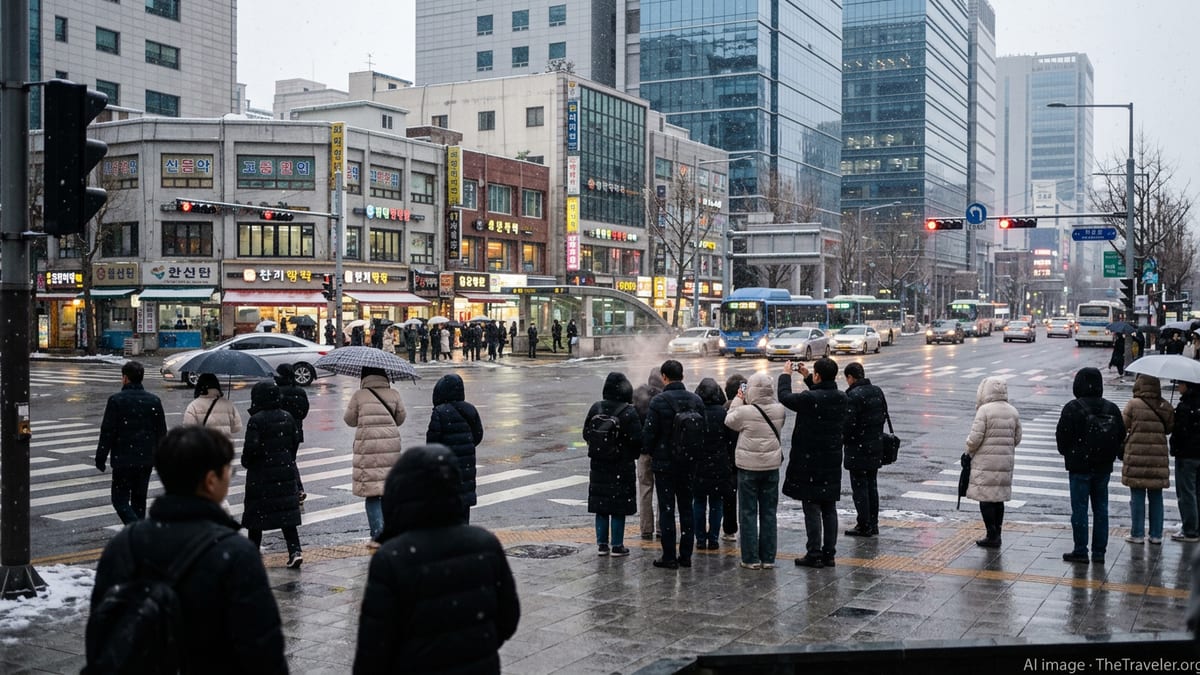
Colder Than Expected: What the Forecast Really Means
After several relatively mild late winter days, a cold air mass sweeping down from the north is pulling daytime temperatures in Seoul back toward freezing and setting the stage for sporadic snowfall across the metropolitan area. Forecasters expect conditions to feel markedly colder than seasonal averages, especially in the early morning and evening, when wind chill could make central districts feel several degrees below zero Celsius.
The snow itself is forecast to be light to moderate in most central neighborhoods, but even brief bursts of accumulation can create slushy streets, slick pavements and low visibility along the Han River and surrounding hills. With temperatures hovering near freezing, roads may cycle quickly between wet and icy, particularly after sunset and on bridges, overpasses and side streets with poor drainage.
For travelers who packed for budding cherry blossoms rather than a late season cold snap, the shift will be noticeable. Light spring jackets will feel inadequate on open plazas around Gwanghwamun, in the wide courtyards of Gyeongbokgung Palace or on windswept ridgelines such as Namsan and Inwangsan. Local authorities are advising residents and visitors alike to allow more time when moving around the city and to keep a close eye on short term forecast updates.
Air quality, often a concern in late winter, may fluctuate as the front moves through, with cleaner air immediately after snowfall but potential for haze as winds shift. Travelers with respiratory sensitivities should monitor local advisories and consider masks not only for warmth but also for particulate protection on drier, windier hours of the weekend.
Transport Disruptions: From Airport Arrivals to Subway Stairs
Even modest snowfall can ripple through Seoul’s transport systems, particularly at busy transfer points and on popular intercity routes. Incheon International and Gimpo airports typically operate smoothly in winter conditions, but snow showers and low clouds can still lead to occasional delays in takeoffs and landings, especially during the busiest arrival waves on Friday evening and Saturday morning.
Within the city, the extensive subway network is expected to remain the most reliable way to get around, though connections between stations and street level may become treacherous. Staircases at major stops such as Hongik University, Gangnam and Myeongdong can turn slick as snow is tracked indoors and quickly compacts into ice. Station staff often respond by spreading sand or salt, but visitors should still use railings, wear footwear with strong grip and avoid rushing on crowded concourses.
Road traffic is likely to slow on elevated expressways and river bridges where wind and freezing spray can create patchy ice. Taxi journeys could take longer than mapping apps suggest, and short rides between central neighborhoods may be harder to hail at peak times as drivers adjust routes. Intercity bus and train services usually continue with minimal disruption, but travelers heading to or from Seoul on the KTX high speed network or regional buses should check for schedule changes and leave generous transfer time between modes.
For tour operators that rely on coaches, such as day trips to the DMZ, ski resorts or nearby cities like Suwon, operators may adjust departure times or alter itineraries to prioritize safety. Visitors with prepaid excursions should monitor messages from organizers and be prepared for last minute timetable tweaks if road conditions deteriorate.
Outdoor Sights: Palaces, Parks and Riverfront Under Snow
Some of Seoul’s most iconic experiences are outdoors, and the weekend’s wintry turn will reshape how visitors enjoy them. The historic palaces, including Gyeongbokgung, Changdeokgung and Deoksugung, generally remain open during snow, and the dusting of white across tiled roofs and stone courtyards can be visually spectacular. However, open spaces offer little shelter from wind, and stone steps and paths can become slippery, so visitors should move slowly and consider shorter, more focused visits rather than extended wandering.
On Namsan, where the N Seoul Tower overlooks the city, trails and observation decks may be affected by icy patches and gusty winds. The cable car and shuttle buses typically operate during light snow, but service frequency can change during periods of low visibility or if conditions worsen. Travelers hoping for panoramic city views should be aware that skies may turn opaque and hazy, turning observation decks into atmospheric rather than scenic stops.
Along the Han River, cycling paths and riverside parks that are usually busy with joggers, picnickers and rental bikes are likely to see reduced activity. Snow and slush can make bike riding unsafe, and rental operators may pause service or shorten hours. The river cruises that run through central Seoul may still sail, but outdoor decks could be closed to protect passengers from icy surfaces, and night cruises will feel significantly colder than advertised, even with onboard heating.
Hikers eyeing popular city mountains such as Bukhansan should exercise particular caution. Trails can become compacted and icy within hours, especially on steep stone sections. Local hiking groups recommend traction cleats, trekking poles and hard cutoffs for turning back before late afternoon, when temperatures drop quickly. For many visitors, switching to lower elevation walks through Insadong’s alleyways, Bukchon Hanok Village or covered markets may be the safer choice for this weekend.
Shopping, Cafes and Nightlife: Taking Plans Indoors
As pavements turn wet and slushy, Seoul’s dense network of underground malls, department stores and cafes is poised to become the refuge of choice for weekend plans. Myeongdong’s outdoor shopping streets may be less crowded, with some cosmetics and fashion vendors pulling awnings lower to shield displays from blowing snow, but indoor department stores in nearby Lotte and Shinsegae complexes are likely to be busy with both residents and tourists escaping the cold.
In Gangnam and COEX, much of the retail and dining scene connects via subterranean passages, allowing visitors to shop and eat with minimal exposure to the elements. Cafes with large windows looking out onto snowy streets, from independent roasteries in neighborhoods like Yeonnam dong to major chains around major stations, tend to fill quickly during cold snaps, so travelers may want to avoid peak brunch and late afternoon coffee hours.
At night, the temperature drop will be most keenly felt in nightlife districts such as Itaewon, Hongdae and Seongsu, where bar hopping and rooftop terraces are part of the usual weekend rhythm. Outdoor queues for popular restaurants, clubs and dessert spots will feel significantly harsher in the wind, and some venues might limit use of outdoor seating or close rooftop spaces altogether. Visitors should plan on warmer layers than they might expect for early March and factor in that taxis may be in high demand at closing time if snow intensifies.
The silver lining for spontaneous planners is that some attractions that normally require advanced reservations may see last minute openings as locals cancel outdoor focused plans. Cooking classes, K beauty spa sessions, interactive museums and themed indoor photo studios may all be easier to book on short notice, offering a cozy alternative to trudging through icy streets.
Safety Tips and How to Pivot Your Itinerary
For travelers already in Seoul or arriving this weekend, small adjustments can make the difference between a difficult and a memorable snowy city break. Footwear is crucial: shoes or boots with solid tread handle wet tiles, metro stairs and palace flagstones far better than smooth soled sneakers. Layering thermal base layers under regular outfits, adding hats and gloves, and carrying a compact umbrella will help offset windchill and blowing flakes between indoor stops.
Experts advise checking real time weather and transport updates each morning and again in late afternoon, when conditions can change rapidly. Building extra time into your schedule for transfers, especially if changing from airport rail to subway, or subway to taxi, will reduce stress and make it easier to adapt if snow showers briefly intensify. Travelers using mobile navigation should be aware that estimated walking times rarely account for slippery surfaces or the slowdowns caused by crowds funneling through underpasses and covered walkways.
Rather than canceling plans entirely, many visitors may benefit from reordering their itineraries. Outdoor palaces and viewpoints tend to be more manageable in the late morning and early afternoon, when temperatures are marginally higher and municipal crews have had time to clear main walkways. Indoor activities, from museum visits at the National Museum of Korea or the Leeum Museum of Art to food focused explorations of Gwangjang Market and large shopping complexes, fit better in the late afternoon and evening, when cold and ice become more intense.
The weekend snowstorm will inevitably disrupt some expectations of an early taste of spring in Seoul, but it also offers a fleeting glimpse of the capital in a different season, with hanok roofs edged in white and neon reflecting off wet streets. With flexible planning, warmer layers and a willingness to pivot from parks to cafes and galleries, travelers can still make the most of their time in the city while staying safe and comfortable in the cold.