

More news on this day
In less than a decade, Seongsu-dong has gone from a fading cluster of shoe factories on Seoul’s east side to one of the city’s most photographed neighborhoods, as a new wave of K-pop fans and style-conscious travelers turn its gritty warehouses into the backdrop of their Seoul itineraries.
Get the latest news straight to your inbox!
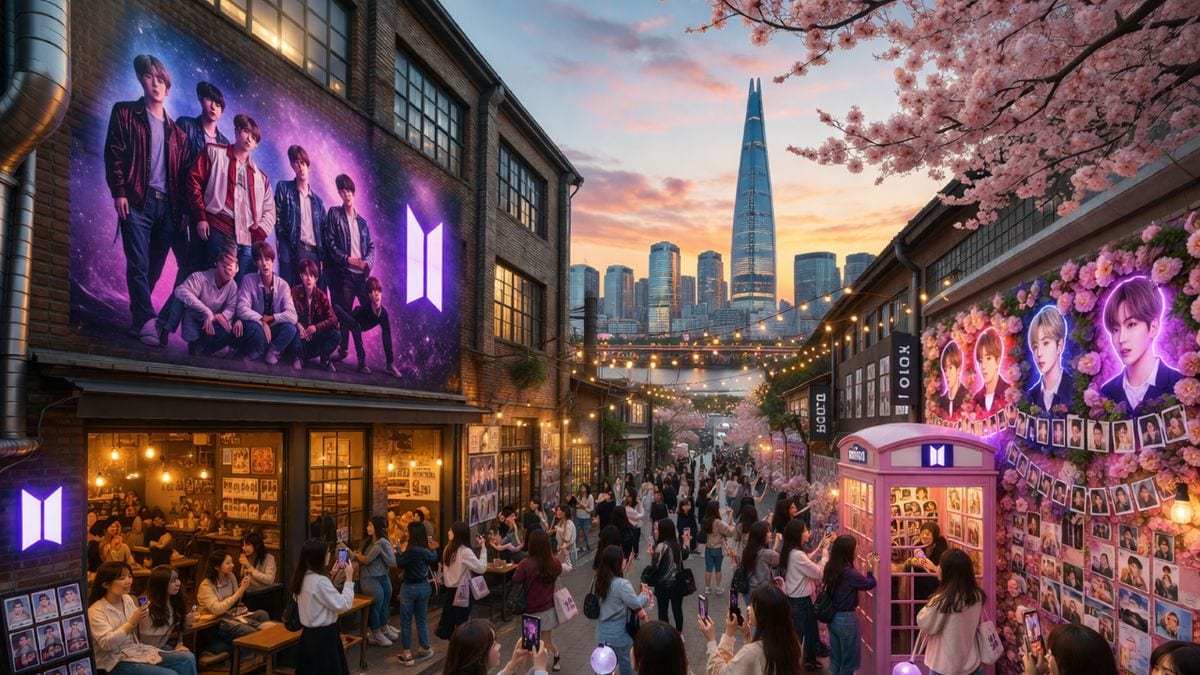
Image by Travel And Tour World
From Industrial Backwater to “Brooklyn of Seoul”
Seongsu-dong sits in Seongdong District on the northern bank of the Han River, long known as a semi-industrial zone where small workshops made everything from bespoke shoes to car parts. For years, it was a place commuters passed through rather than a destination in its own right.
That perception began to shift as rents in central Seoul climbed and younger designers, café owners and small brands looked for larger, cheaper spaces. Empty factories and warehouses offered high ceilings, raw concrete and loading bays that translated neatly into gallery-style retail, expansive coffee bars and event spaces.
Tourism bodies now routinely describe Seongsu as the “Brooklyn of Seoul,” drawing comparisons with New York’s warehouse districts and London’s once-gritty creative quarters. Recent city guides highlight its adaptive reuse of industrial buildings, noting how former shoe plants have been reborn as concept stores, cultural venues and design-forward cafés.
Travel publications and city tourism sites emphasize that this transformation has been rapid, with the area recast in just a few years from a production hub into an urban playground. That speed has made Seongsu a case study in how post-industrial neighborhoods can be reimagined when culture and commerce collide.
K-Pop, Brand Power and the New Pilgrimage Circuit
The rise of K-pop as a global cultural force has been central to Seongsu’s latest chapter. Reports on Seoul’s entertainment geography indicate that the neighborhood hosts a growing cluster of production studios, rehearsal spaces and creative agencies tied, directly or indirectly, to the wider idol industry.
As major K-pop companies expanded in districts such as Yongsan and Gangnam, ancillary businesses began to look east. Industry blogs and local coverage point to Seongsu’s relative proximity to these headquarters and filming locations, turning its streets into a convenient canvas for music video shoots, fashion editorials and brand collaborations with idol groups.
In parallel, international tourism has shifted. Travel features in 2025 and 2026 describe how K-pop fans increasingly structure their Seoul trips around an informal pilgrimage route that links agency buildings, pop-up exhibitions and merchandise hubs. Seongsu is now frequently listed alongside spots associated with global acts like BTS as part of a broader “K-pop heritage” trail through the capital.
This does not mean idols are performing on every corner. Instead, the draw lies in inhabiting the same city fabric, from grabbing a latte in a warehouse café rumored to be popular with trainees to lining up for a limited-edition sneaker or beauty collaboration that first drops in Seongsu before rolling out elsewhere.
Pop-Ups, Flagships and Factories Turned Photo Sets
Once dominated by smokestacks and loading docks, Seongsu’s streets now host an ever-rotating roster of brand activations. Recent city marketing material describes the area as the epicenter of South Korea’s pop-up store culture, with fashion labels, cosmetics giants, streaming platforms and even carmakers using refurbished industrial shells as immersive stages.
Visitor guides released this year highlight large-scale flagships and galleries that lean into the industrial backdrop: minimalist concrete halls, exposed brick, and soaring trusses filled with projection mapping, curated playlists and floor-to-ceiling merchandise displays. Beauty chains promote their Seongsu flagships as experiential destinations, with multi-story “play zones” that blur retail, exhibition and fan space.
Travel writers point out that these environments are engineered for the camera. Oversized art installations, sculptural staircases and rooftop terraces overlooking the Han River all appear designed with social media in mind. For K-pop fans, these backdrops mirror the stylized sets seen in music videos and promotional photos, making Seongsu feel like an accessible extension of the idol universe.
Local accounts also emphasize how quickly the landscape changes. A warehouse might house a luxury fashion collaboration one month and a webtoon-themed exhibition the next, pushing repeat visitors and content creators to return frequently and document what is new.
Cafés, Creative Class and the Everyday K-Pop Adjacency
Alongside headline-grabbing pop-ups, Seongsu’s café scene has become a major driver of footfall. Tourism portals and lifestyle magazines regularly single out industrial-chic coffee shops, many installed in former factories with retained machinery, steel beams and weathered brick intact.
Venues such as Café Onion Seongsu and several specialty roasteries have been profiled internationally for their design and pastry programs, attracting visitors who might not consider themselves dedicated K-pop fans but are drawn to the broader aesthetic associated with Korean creative culture. For many travelers, these cafés are the first stop before venturing deeper into the neighborhood’s side streets.
Industry-focused articles note that the same streets are used daily by stylists, choreographers, producers and junior staff working across entertainment and fashion. This everyday presence of behind-the-scenes professionals helps fuel the sense that Seongsu is part of the K-pop ecosystem, even when no idols are in sight.
Some travel commentaries caution that the neighborhood’s popularity can bring crowds and rising prices, echoing debates in other global cities where creative districts have become mainstream attractions. Yet Seongsu continues to draw young locals, suggesting it has not yet tipped fully into the realm of staged tourism.
The Ultimate Tourist Obsession for the Post-Military K-Pop Boom
The timing of Seongsu’s rise has coincided with a broader surge in K-pop tourism linked to high-profile group comebacks and post-military reunion activities. Coverage of South Korea’s 2025 tourism strategies highlights the way national and city-level campaigns now frame K-pop not only through concerts and official museums but also through neighborhood experiences.
Seongsu fits neatly into that narrative. Promotional materials encourage visitors to combine stops at major entertainment headquarters elsewhere in Seoul with time in the former factory zone, presenting it as a place to feel the “everyday Seoul” of the industry: the cafés where teams meet, the studios hidden on upper floors, the concept stores where fandom and fashion overlap.
For international travelers, this blend of authenticity and curation is part of the appeal. Publicly available tourism data and anecdotal reports from tour operators suggest that itineraries featuring Seongsu, alongside more established districts like Gangnam and Hongdae, are increasingly common in packages marketed to K-pop enthusiasts.
While Seongsu’s future will likely involve continued development and the risk of over-commercialization, its trajectory from shoe-making hub to K-pop-adjacent creative powerhouse illustrates how a global music phenomenon can reshape the map of a city, turning a once-overlooked industrial corner into a must-visit stop on the modern traveler’s Seoul map.