

More news on this day
Travelers at Orlando International Airport faced a difficult start to their journeys today as tracking data showed 209 flights delayed and three cancelled, disrupting operations for major airlines including SWISS, American Airlines, Delta Air Lines, and United Airlines.
Get the latest news straight to your inbox!
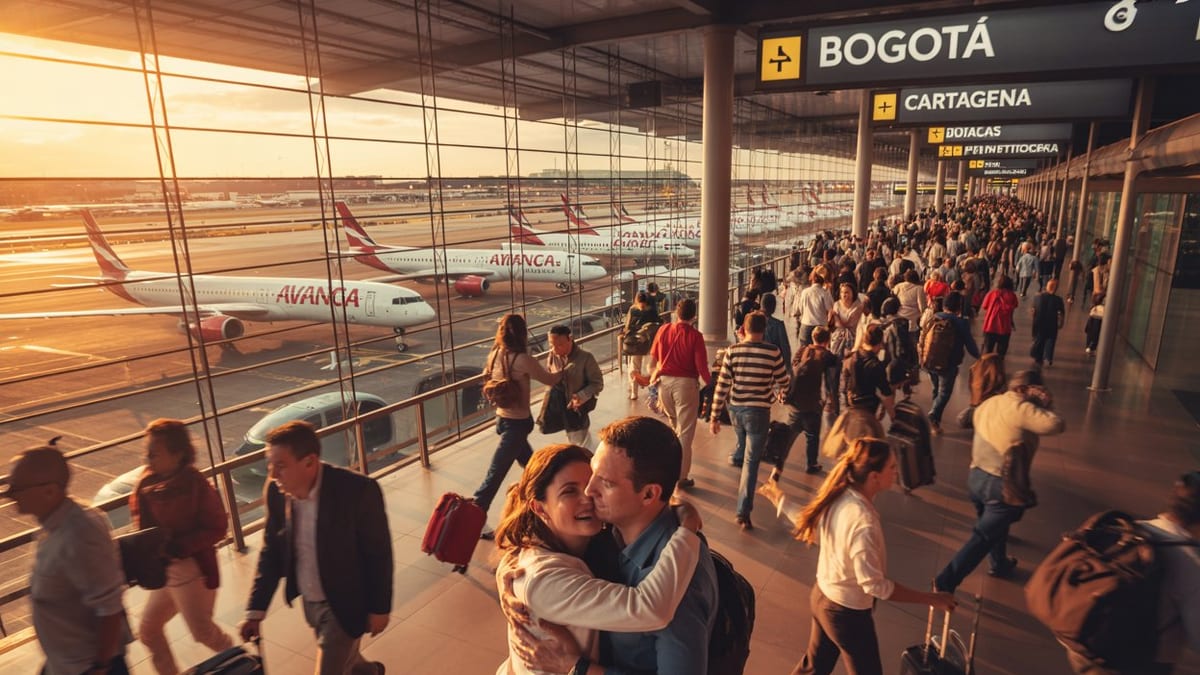
Image by Travel And Tour World
High Volume Of Delays Ripples Across MCO Schedule
Publicly available flight-tracking information shows Orlando International Airport coping with a significant spike in operational disruption today, with more than two hundred flights departing later than scheduled. The imbalance between a high number of delays and a relatively small number of outright cancellations is creating a rolling backlog that continues to affect the day’s timetable.
The three cancellations recorded today are a fraction of overall traffic, but they sit on top of extensive delays that in some cases stretch well beyond an hour. As aircraft and crews arrive late into Orlando, knock-on effects are emerging across subsequent departures and arrivals, compounding congestion at gates and on taxiways.
The disruption is particularly noticeable during peak mid-morning and late-afternoon travel banks, when leisure travelers, business passengers, and inbound international flights all converge. With Orlando serving as a major gateway for Central Florida’s tourism economy, even a modest percentage of delayed flights translates into thousands of passengers facing missed connections, altered theme-park schedules, and rebooked hotel and ground-transport plans.
Reports indicate that while the airport’s published operations plan anticipates seasonal crowding, today’s pattern of delays is running well above typical levels for this time of year, underscoring the vulnerability of dense flight banks when conditions turn unfavorable.
Major Carriers, From SWISS To U.S. Big Three, Affected
The disruption is being felt across a broad mix of airline operators serving Orlando. Data from flight boards and tracking platforms indicates that large network carriers such as American Airlines, Delta Air Lines, and United Airlines are all managing delayed departures today, alongside international operators including SWISS.
For American, Delta, and United, Orlando functions as a key spoke in their domestic networks, linking Central Florida with hubs including Dallas Fort Worth, Charlotte, Atlanta, New York, Chicago, Houston, and Denver. When departures from Orlando push back late, aircraft often arrive behind schedule at those hubs, tightening connection windows and in some cases forcing passengers onto later flights.
For SWISS and other European carriers, delays at Orlando can interfere with carefully timed overnight schedules designed to feed morning connections in Zurich and other European cities. Even relatively short ground holds can translate into missed links for travelers continuing onward to destinations across the continent or into the Middle East and Africa.
Published airline timetables show that many carriers have increased their Orlando capacity over recent seasons, reflecting strong demand from both domestic and international travelers. On a day when delays swell well beyond normal levels, that additional capacity translates into more passengers grappling with crowded gate areas and shifting departure boards.
Weather, Congestion, And Network Strain Behind The Disruption
While specific causes can vary flight by flight, the pattern of delays at Orlando today appears consistent with a mix of factors that have increasingly affected U.S. aviation in recent years. Weather plays a prominent role, particularly when storm systems move across the Southeast and along the Eastern Seaboard, prompting traffic-management initiatives that slow the rate at which aircraft can land and depart.
Congestion in regional airspace can also force aircraft into holding patterns or ground delay programs, which in turn stretches turnaround times at the gate. Once those turnarounds slip, crews may approach duty-time limits, sometimes requiring substitutions and introducing further complexity into airline schedules.
Industry data for the 2020 to 2024 period already indicates that Florida’s major airports, including Orlando, experience higher average arrival delays than many inland hubs, reflecting both heavy tourist traffic and frequent convective weather. Today’s figures at Orlando align with that broader pattern, with flight operations resilient enough to avoid mass cancellations but challenged to keep departures moving on time.
Operational strain is further amplified during school holidays and spring travel peaks, when load factors are high and there are fewer open seats available to accommodate disrupted travelers. In such conditions, even a handful of late inbound aircraft can tip the system into sustained irregular operations.
Impact On Passengers And Advice For Those Yet To Travel
For travelers inside the terminal today, the immediate impact is evident in extended waits at gates, longer lines at customer service counters, and a growing number of passengers seeking assistance to adjust onward plans. Families heading to or from Central Florida’s theme parks, in particular, may find carefully planned itineraries compressed as arrival times slip later into the evening.
Passengers with tight domestic connections through major hubs served by American, Delta, and United may be especially exposed, as late arrivals reduce transfer margins. International travelers on SWISS and other overseas carriers also face higher risk of missed onward flights if transatlantic departures push back significantly from their scheduled times.
Publicly available guidance from airlines and travel advisors continues to emphasize a few core strategies when disruption appears likely. Travelers are strongly encouraged to monitor their flight status frequently using airline apps and notification tools, arrive at the airport earlier than usual for busy travel periods, and, where feasible, build in longer connection times when booking itineraries that route through weather-prone or congested hubs.
Same-day flexibility, such as being prepared to accept alternative routings, earlier departures, or even nearby airports, can help limit the impact of irregular operations. Travelers who have not yet departed for Orlando today may wish to keep ground transport and accommodation plans somewhat flexible, in case their arrival time shifts by several hours.
Orlando’s Ongoing Challenge Balancing Growth And Reliability
Today’s wave of delays highlights the broader challenge facing Orlando International Airport as it manages rapid growth in passenger numbers while aiming to maintain on-time performance. Recent traffic statistics from the airport’s governing authority show sustained increases in average daily departures, with major U.S. network airlines and a diverse group of international carriers all building out their schedules.
New infrastructure, including expanded terminal capacity, is designed to support that growth, yet the airport remains tightly integrated into a national airspace system where issues hundreds of miles away can cascade quickly into Central Florida. When storms, staffing limitations, or equipment issues arise at key control centers or hub airports, Orlando’s outbound schedule often feels the resulting pressure.
Analysts note that as airlines continue to fine-tune their schedules, balancing aircraft utilization with operational resilience will remain a central concern. Higher utilization can help keep fares competitive, but it also leaves less room to absorb disruption when flights run late. Today’s 209 delays and three cancellations offer a pointed example of how quickly a busy leisure gateway can become strained under those conditions.
For now, the situation at Orlando International Airport remains fluid, with the potential for improvement later in the day if weather and airspace conditions stabilize. Travelers with flights scheduled from the airport are advised to stay alert to schedule changes and build additional time into their journeys as the operation works to recover.