

More news on this day
More than 30 flights to and from Iceland were cancelled in recent days as powerful winter weather swept the country, disrupting travel for thousands of passengers and affecting routes to major European hubs including Manchester, Edinburgh, Dublin, London, Brussels, Stockholm, Berlin, Frankfurt, Munich and Amsterdam.
Get the latest news straight to your inbox!
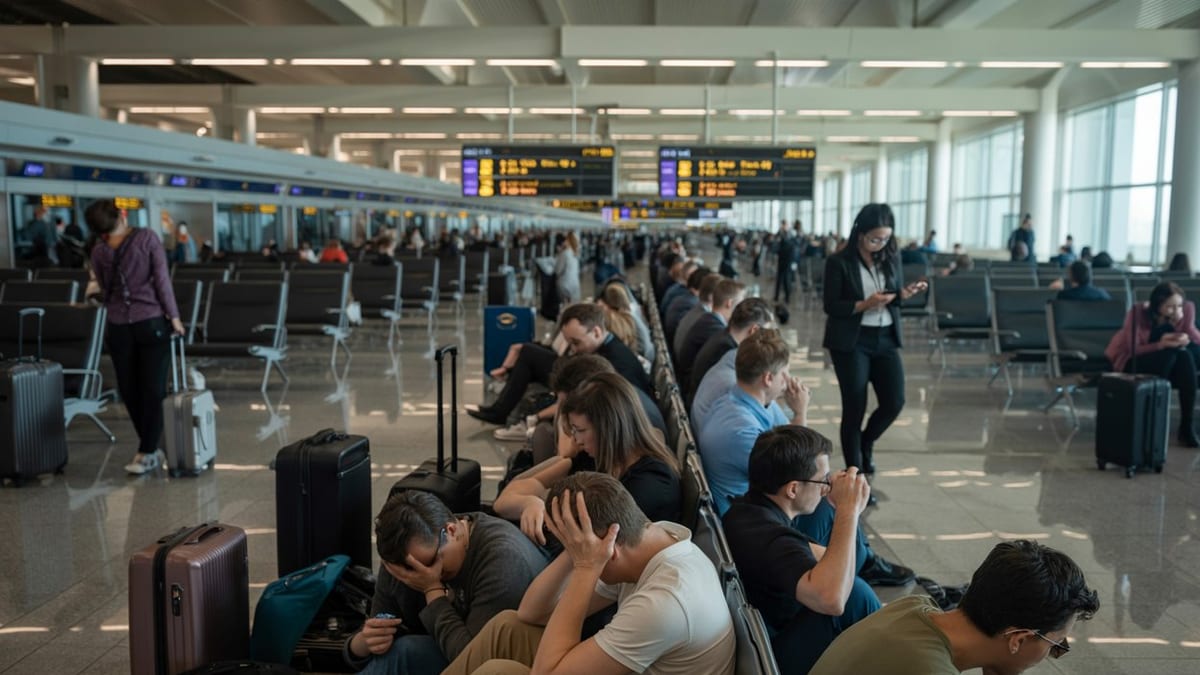
Image by Global Travel Alerts, Advisories, International Travel Alerts
Storm Conditions Grind Iceland Air Traffic to a Halt
Publicly available information from Icelandic media and aviation data providers indicates that an intense late‑season storm led to widespread disruption across Iceland, with Keflavik International Airport bearing the brunt of the impact. Strong winds, heavy snow and poor visibility prompted a series of operational restrictions that quickly cascaded into a wave of cancellations and delays.
Reports from recent days describe sustained gale‑force winds and powerful gusts moving across the southwest of the country, including the capital region and the main international flight corridor. Weather alerts covering large parts of Iceland warned of hazardous conditions for road and air travel, with forecasters highlighting the risk of blowing snow and rapidly deteriorating visibility around Keflavik.
As the storm intensified, airlines sharply curtailed their schedules. Departure boards at Keflavik showed gaps across much of the day, with many services marked cancelled or delayed as ground operations were scaled back and crews reassessed the feasibility of flying in the conditions. The disruption affected both outbound and inbound services, leaving aircraft and crews out of position.
The timing of the storm, arriving during a period of growing late‑winter tourism and steady transatlantic traffic, increased the scale of the impact. Travelers heading for short breaks in Iceland, onward connections in Europe and return journeys to their home countries all faced unexpected changes to their plans.
Icelandair, Air Iceland and Other Carriers Scrap Flights
Icelandair and its domestic affiliate Air Iceland were among the most affected operators, according to published coverage of the disruption. The two carriers maintain the largest combined network to and from Iceland, and the storm’s severity meant that a significant portion of their daily schedules had to be withdrawn at short notice.
Available flight information suggests that more than 30 flights in total were cancelled over a short window as the weather system passed over the country. These included international departures and arrivals as well as some regional services within Iceland and to nearby destinations. Other European and low‑cost carriers that serve Keflavik also adjusted or cancelled flights as conditions worsened.
The cancellations extended to key routes connecting Iceland with the United Kingdom, Ireland, the Nordic countries and mainland Europe. Airlines prioritized safety as visibility dropped and crosswinds exceeded operational limits for certain aircraft types, particularly on approach and departure paths exposed to the full force of the storm.
In several instances, flights that initially appeared as delayed were ultimately removed from schedules as it became clear that conditions would not improve quickly enough to operate safely. This rolling pattern of delay and subsequent cancellation added to uncertainty for passengers waiting at airports or following updates online.
Major European Cities Among the Hardest Hit
The disruption resonated well beyond Iceland as cancellations affected a network of European cities that rely on regular links to Reykjavik. Services between Iceland and Manchester, Edinburgh, Dublin and multiple London airports were among those most visibly impacted, interrupting both point‑to‑point travel and onward connections for transatlantic itineraries.
Routes to Brussels, Stockholm, Berlin, Frankfurt, Munich and Amsterdam also saw cancellations and significant delays, based on publicly available schedules and tracking data. Many of these airports act as major transfer hubs, so the loss of Iceland services had knock‑on effects for passengers connecting to other European or long‑haul flights.
Travelers returning home after holidays in Iceland reported facing rebookings through alternative hubs or on later departures, sometimes extending journeys by many hours or forcing unexpected overnight stays. For those beginning trips in Europe, some carriers attempted to consolidate passengers onto fewer flights once conditions in Iceland began to improve, while others moved customers to later dates.
Airports on both ends of the affected routes experienced pressure on customer service desks as passengers sought new itineraries. Social media posts and travel‑forum accounts described long queues at check‑in and transfer counters in Keflavik and at several European gateways as airline staff worked through backlogs of disrupted journeys.
Knock‑On Effects For Passengers and Tourism
The wave of cancellations is the latest reminder of how sensitive Iceland’s air connectivity is to severe weather. With most international traffic funneled through a single main hub, a closure or significant restriction at Keflavik can quickly ripple across tourism, business travel and cargo operations.
Recent tourism statistics and airline traffic data show that Iceland continues to attract large numbers of visitors during the winter months, drawn by northern lights tours, geothermal spas and outdoor activities. When storms sweep across the island, the concentration of services through one primary airport means that a relatively short‑lived weather event can strand thousands of travelers simultaneously.
Travel forums and consumer‑rights information platforms indicate that affected passengers have been navigating a mix of rebookings, refunds and claims for additional assistance, depending on the airline involved and the specific cause recorded for the disruption. In many cases of severe weather, carriers classify cancellations as outside their direct control, limiting formal compensation while still providing options for alternative travel dates where possible.
For the wider tourism sector, the timing of such events can have lingering effects. Tour operators, hotels and activity providers may face abrupt cancellations or no‑shows, while businesses that depend on tightly scheduled group itineraries can struggle to reshuffle plans at short notice when entire flights fail to arrive.
What Travelers Can Expect in the Coming Days
As the storm system moves away and conditions stabilize, flight operations in Iceland are gradually returning closer to normal. However, aviation analysts and travel‑industry observers note that residual disruption often continues for several days after a major weather‑related shutdown, as airlines work to reposition aircraft and crew and clear backlogs of displaced passengers.
Passengers holding tickets to or from Iceland in the near term are being advised by consumer information sites and travel associations to monitor airline notifications closely, verify schedules on the day of departure and allow extra time at airports. Some carriers may operate additional or larger aircraft on certain routes to accommodate those whose flights were cancelled, while others may continue to offer fee‑free changes for affected dates.
Travel planners recommend that visitors build flexibility into itineraries during the late‑winter and early‑spring period, when powerful Atlantic weather systems are more likely to affect Iceland and other North Atlantic destinations. This can include leaving room between key activities, avoiding non‑refundable bookings on the first or last day of a trip and considering travel insurance that specifically covers weather‑related disruption.
While the latest cancellations underline the challenges of flying in one of the world’s more meteorologically volatile regions, they also highlight the robust safety culture that governs air travel to and from Iceland. Airlines are expected to continue adjusting schedules in line with evolving weather patterns, prioritizing operational limits and passenger safety as the country moves through the final weeks of the winter storm season.