

More news on this day
Thunderstorms and low visibility affecting Kolkata on April 5 have led to delays and cancellations at Netaji Subhas Chandra Bose International Airport, with budget carrier SpiceJet urging passengers to monitor real time updates as operations remain vulnerable to further disruption.
Get the latest news straight to your inbox!
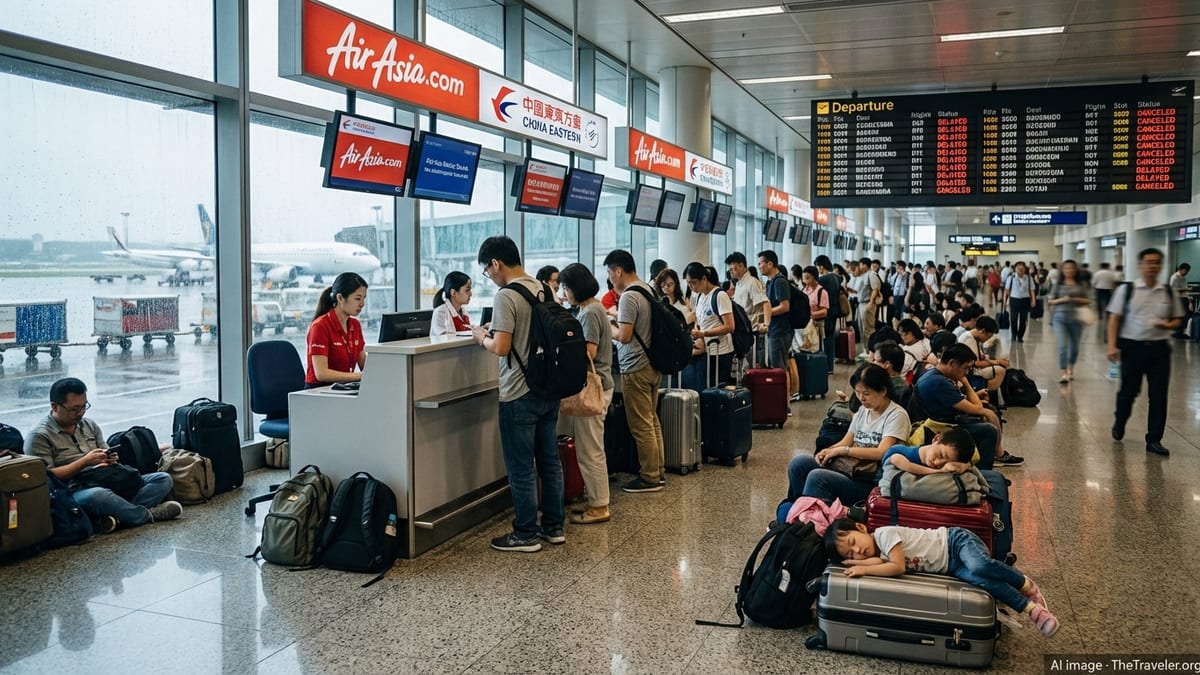
Flight Operations Disrupted by Thunderstorms Around Kolkata
Published aviation coverage on April 5 indicates that unstable weather patterns, including thunderstorms and deteriorating visibility around Kolkata, have slowed aircraft movements at Netaji Subhas Chandra Bose International Airport. Ground operations have been intermittently affected as air traffic controllers adjust arrival and departure rates to maintain safe separation between flights.
While detailed tallies of delayed and cancelled services are still emerging, flight tracking data and airport information screens show a mix of late departures, diversions and scrubbed services on domestic routes. The irregular flow of traffic has contributed to congestion on taxiways and at gates, extending turnaround times for aircraft that do manage to land and depart.
The disruption comes during a period of elevated volatility across Asian air travel, with regional reports pointing to thousands of delays linked to storm systems and low cloud over key hubs. For Kolkata, the combination of localized thunderstorms and existing congestion has created particular vulnerability for airlines operating tight schedules and relying on short ground times.
Past episodes, including weather related halts during cyclonic systems and intense rainfall in eastern India, show how quickly operations at the airport can become constrained when conditions deteriorate. Analysts note that even short-lived thunderstorms can cause a knock-on effect that ripples through the daily schedule, especially in the late afternoon and evening banks of departures.
SpiceJet Issues Advisory and Urges Passengers to Stay Updated
Low cost carrier SpiceJet has responded to the latest bout of adverse weather by publicly warning of potential delays and cancellations for flights operating to and from Kolkata. According to business press coverage, the airline has asked customers to check flight status frequently through digital channels and to allow additional time for airport formalities in case schedules change at short notice.
SpiceJet’s advisory is in line with its broader practice during recent disruption events in the region, where the carrier has relied on website tools, mobile applications and text alerts to push updates to passengers. Publicly available information shows that the airline is emphasizing real time checks rather than relying solely on original booking times, reflecting the fluid operational picture at the airport.
Travel industry analysts say such alerts have become increasingly important for Indian domestic travelers, many of whom plan tight connections or onward ground journeys. When weather affects an airport like Kolkata, even modest schedule revisions can cascade into missed trains, hotel check-ins and business appointments, particularly for evening arrivals.
SpiceJet’s messaging also aligns with official guidance from India’s aviation regulator, which requires airlines to provide timely information and assistance during long delays or cancellations. Consumer advocates frequently urge passengers to retain documentation of schedule changes so they can pursue refunds or compensation where applicable once immediate travel plans are stabilized.
Passengers Face Long Waits, Missed Connections and Rebookings
The immediate impact for travelers at Kolkata includes crowded terminals, extended waits at check in counters and uncertainty over revised departure times. Reports from recent disruption episodes in India indicate that passengers often spend several hours in the terminal as airlines work to reshuffle aircraft and crews around fast changing weather windows.
For those connecting through Kolkata to other Indian cities, the risk of missed onward flights is particularly acute. Travel forums and prior coverage of similar events describe passengers racing between terminals or scrambling to secure last minute seats on alternative departures after incoming flights arrive significantly behind schedule.
When cancellations occur, rebooking options can be limited, especially for budget carriers operating with lean fleets and high aircraft utilization. In such cases, passengers may be shifted to flights departing many hours later or even the following day, putting additional strain on local accommodation near the airport.
Observers note that while severe weather is beyond the control of airlines, communication remains a recurring point of criticism from affected travelers. Clear information on expected delays, available meal or hotel support, and realistic rebooking timelines can significantly influence how passengers perceive the handling of an otherwise unavoidable disruption.
Weather Volatility Adds Pressure to an Already Strained Aviation System
The latest disruptions in Kolkata come against a backdrop of broader strain in India’s aviation sector. Industry reporting over recent months has highlighted financial challenges at several carriers, capacity constraints at major hubs and an uptick in schedule adjustments tied to crew availability and maintenance requirements.
In this context, episodes of severe weather can quickly magnify underlying weaknesses. When thunderstorms or low visibility reduce runway throughput, airports with tight peak schedules have limited flexibility to absorb the shock. Airlines with smaller fleets or thin operational buffers may be forced into larger numbers of cancellations and rolling delays.
Regional weather volatility has been pronounced in the early months of 2026, with storms and fog affecting airports across parts of India and neighboring countries. Analysts point to a pattern in which localized events at one hub feed into a wider web of missed rotations and displaced aircraft, complicating recovery efforts for multiple airlines.
Aviation specialists also underscore the growing importance of robust contingency planning, from holding spare aircraft at critical bases to pre-negotiated arrangements with hotels and ground transport providers. The situation in Kolkata illustrates how quickly demand for such resources can spike when a weather system stalls over a dense air traffic corridor.
What Travelers Using Kolkata Airport Can Do Now
For passengers scheduled to travel through Kolkata while severe weather advisories remain in effect, aviation and consumer groups recommend a proactive approach. Checking live flight status before leaving for the airport, monitoring airline apps and preparing for potential waiting time inside the terminal can help reduce stress on the day of travel.
Travelers are also encouraged to familiarize themselves with airline policies on rebooking, refunds and support in case of long delays or cancellations. Publicly available regulatory guidance in India specifies compensation and assistance thresholds tied to the length of disruption and whether it was within an airline’s control, although severe weather is often treated differently from operational issues.
For those with tight onward connections, experts suggest building additional buffer time into itineraries, particularly during seasons when thunderstorms and heavy rain are more common in eastern India. Adjusting meeting schedules, hotel check-in plans or ground transfers in advance can offer more flexibility if flights arrive late.
As weather systems over the region evolve, operational conditions at Kolkata are likely to remain dynamic. Airlines, including SpiceJet, are expected to continue issuing rolling updates, and passengers who stay closely engaged with those updates are generally better positioned to adapt their plans when disruptions occur.