

More news on this day
Seychelles is stepping up climate resilience investments as rising seas, coral bleaching and warming oceans put mounting pressure on the Indian Ocean nation’s tourism and fisheries, two pillars that underpin jobs, public revenues and its flagship blue economy strategy.
Get the latest news straight to your inbox!
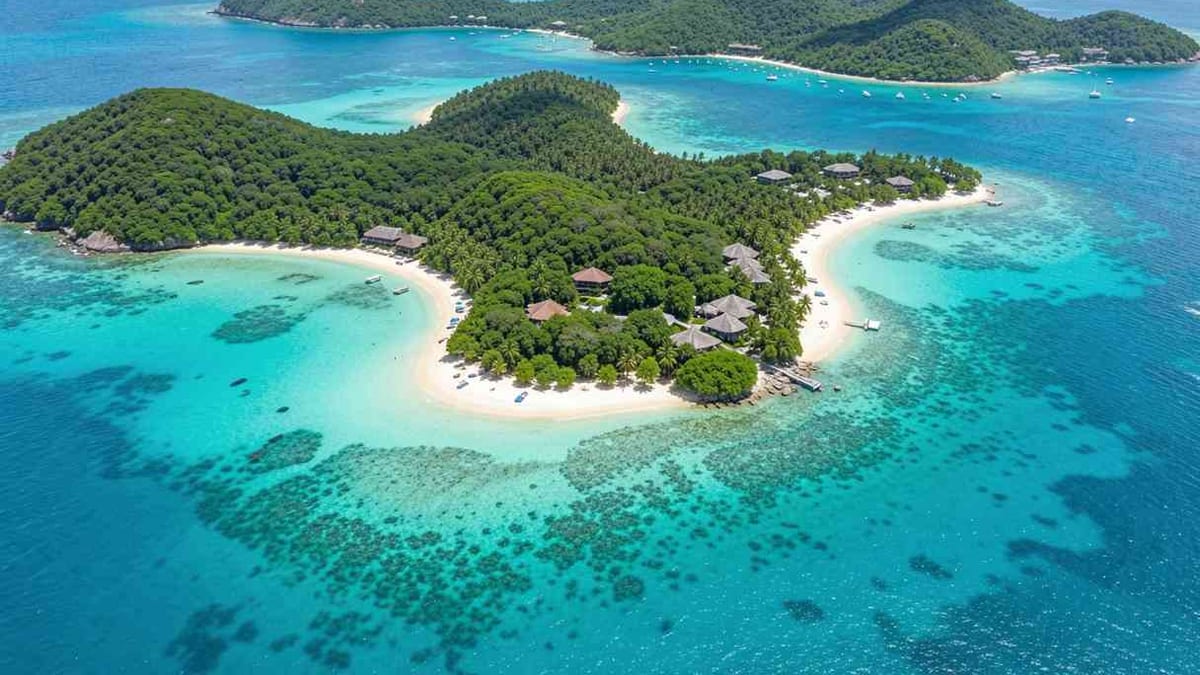
Image by Latest International / Global Travel News, Breaking World Travel News
Tourism and Fisheries Under Intensifying Climate Stress
Publicly available economic data show that tourism and fisheries together remain central to Seychelles’ high-income status, with beach resorts, marine excursions and tuna processing forming the backbone of growth and export earnings. Recent assessments by international institutions highlight that record or near-record tourist arrivals have supported a strong post-pandemic rebound, yet also underscore how concentrated the economy is in climate-sensitive sectors.
Climate change is amplifying that vulnerability. Scientific and policy analyses for small island states describe how sea-level rise, stronger storms and marine heatwaves are already reshaping coastlines and degrading coral reefs around Seychelles. Coral bleaching reduces reef-based tourism appeal while weakening natural coastal defenses, increasing erosion risks for hotel strips and critical infrastructure on low-lying islands.
Climate-related impacts are also visible in the fisheries that supply food, export income and employment. Regional studies and local commentary indicate that shifting tuna stocks, changes in ocean temperatures and acidification are altering catch patterns in the country’s vast exclusive economic zone. These trends intersect with concerns about overexploitation by distant-water fleets and the need for more climate-smart, ecosystem-based management to sustain stocks.
Policy papers on Seychelles’ development path warn that, without accelerated adaptation and diversification, climate impacts on tourism demand and marine resources could constrain medium-term growth and fiscal stability. The risk is that climate shocks erode the very sectors that finance adaptation, deepening exposure to debt and external volatility.
Blue Economy and Innovative Finance at the Center of the Response
Seychelles has positioned its blue economy as a strategic shield against these risks, using ocean-based growth to fund climate resilience. Government statements and multilateral briefings describe how marine spatial planning, sustainable fisheries, eco-tourism and renewable ocean energy are being aligned to protect ecosystems while generating jobs and revenue.
A flagship element is the sovereign blue bond launched in 2018, which channels capital into sustainable fisheries management, marine protected areas and climate-resilient coastal communities. According to analyses by international financial institutions, bond proceeds have supported projects that refine catch monitoring, reinforce ecosystem health and encourage more sustainable tourism models, setting a precedent for other small island economies.
Debt-for-nature and climate-linked financing has deepened this approach. IMF and World Bank documentation detail how Seychelles has combined restructuring of external obligations with commitments to protect marine areas and step up climate investments, including through access to the Resilience and Sustainability Facility. These arrangements are designed to free fiscal space while embedding climate considerations into public investment planning.
National blue economy policy notes emphasize that such financial innovation is only as effective as the underlying governance. Seychelles has expanded marine protected areas, advanced marine spatial planning and taken steps to improve transparency in fisheries, including compliance with emerging international standards on access agreements and catch data. These measures are intended to align financial flows with long-term ocean health, which remains essential for tourism and fisheries resilience.
Key Investments to Safeguard Coastal Tourism
Coastal adaptation is emerging as a priority investment frontier as climate hazards grow. Project documents and adaptation studies for Seychelles describe the need to redesign seawalls, beach nourishment and drainage systems to withstand higher seas and more intense storms. Investment proposals prepared for climate funds highlight tourism hotspots where erosion and flooding threaten hotels, roads and utilities, and where nature-based solutions can complement hard infrastructure.
Plans referenced in adaptation fund materials include integrating climate risk criteria into all future coastal infrastructure design, with updated building codes, revised setback lines and more robust environmental impact assessments. The aim is to avoid locking in exposure by placing new tourism facilities too close to eroding shorelines or in low-lying zones that will become increasingly flood-prone.
Nature-based solutions feature prominently in tourism-related climate strategies. Conservation and development agencies working in Seychelles point to mangrove restoration, seagrass protection and coral rehabilitation as cost-effective buffers that also enhance visitor experiences. Healthy reefs and coastal wetlands can absorb wave energy, support fisheries nurseries and provide high-value eco-tourism attractions such as snorkeling and guided nature tours.
Investment frameworks also call for upgrading basic services that underpin the visitor economy, from climate-resilient water and wastewater systems to waste management and renewable energy supplies for resorts and guesthouses. International partners and ratings analyses underline that resilient infrastructure can preserve Seychelles’ reputation as a premium sustainable destination while limiting future disaster-repair costs.
Transforming Fisheries Through Climate-Smart Modernization
In the fisheries sector, investment priorities are shifting toward climate-smart modernization that can protect livelihoods and food security as ocean conditions change. United Nations and development finance reports on Seychelles describe opportunities in sustainable aquaculture, cold-chain infrastructure, digital monitoring and traceability, and value-added processing.
A recent SDG-aligned investor mapping exercise for Seychelles highlights priority opportunities in sustainable aquaculture and semi-industrial fishing that can reduce pressure on wild stocks while supporting rural employment. Investments in hatcheries, feed innovation and biosecure farm systems are being promoted as ways to diversify income for coastal communities and increase resilience against volatile wild catch and weather disruptions.
Digital tools are also gaining prominence. Project descriptions point to fish traceability platforms, electronic catch documentation and transparent licensing systems that can improve stock assessments, combat illegal fishing and open access to premium certified markets. These tools become more important as climate change alters species distribution, making historical catch data less reliable.
Cold chain and port upgrades are another pillar of climate resilience in fisheries. Development plans reference investments in energy-efficient refrigeration, resilient port infrastructure and safer landing sites that can reduce post-harvest losses, support export quality and protect assets against storms and sea-level rise. By improving margins across the value chain, such investments can help fishers adapt to periods of lower or more unpredictable catches.
Global Partnerships and Governance Reforms to Anchor Resilience
Seychelles is coupling physical and financial investments with governance reforms and international partnerships. Official blue economy policy pages emphasize that the country has used its large exclusive economic zone and marine spatial plan to set a global benchmark for ocean sustainability and climate resilience, allocating significant portions of its waters to conservation and sustainable use zones.
Cooperation with the African Union and regional organizations is focused on food security, blue jobs and climate resilience, with initiatives that link fisheries management, marine conservation and sustainable tourism. Public information on these discussions points to shared priorities in responsible use of ocean resources, skills development and technology transfer to support small-island and coastal economies.
New World Bank and IMF country strategies approved in recent years place climate resilience at the core of engagement with Seychelles. Country partnership frameworks outline a portfolio that spans social protection, coastal and waste management, climate-smart fisheries and broader environmental resilience, backed by efforts to strengthen public financial management and integrate climate risk into budgeting and investment decisions.
Analysts note that Seychelles’ experience is being watched by other small island states looking to blend blue economy growth with ambitious climate adaptation. The extent to which today’s investments in resilient tourism infrastructure, climate-smart fisheries and innovative finance can keep pace with accelerating climate impacts will likely determine whether the archipelago can safeguard its prosperity and its globally recognized marine environment over the coming decades.