

More news on this day
Travelers across the United States faced a fresh round of disruption after San Francisco International Airport (SFO) recorded at least five flight cancellations and more than 80 delays in a single day, affecting major carriers including United Airlines, Alaska Airlines and JetBlue on routes linking the Bay Area with Los Angeles, New York and other key hubs.
Get the latest news straight to your inbox!
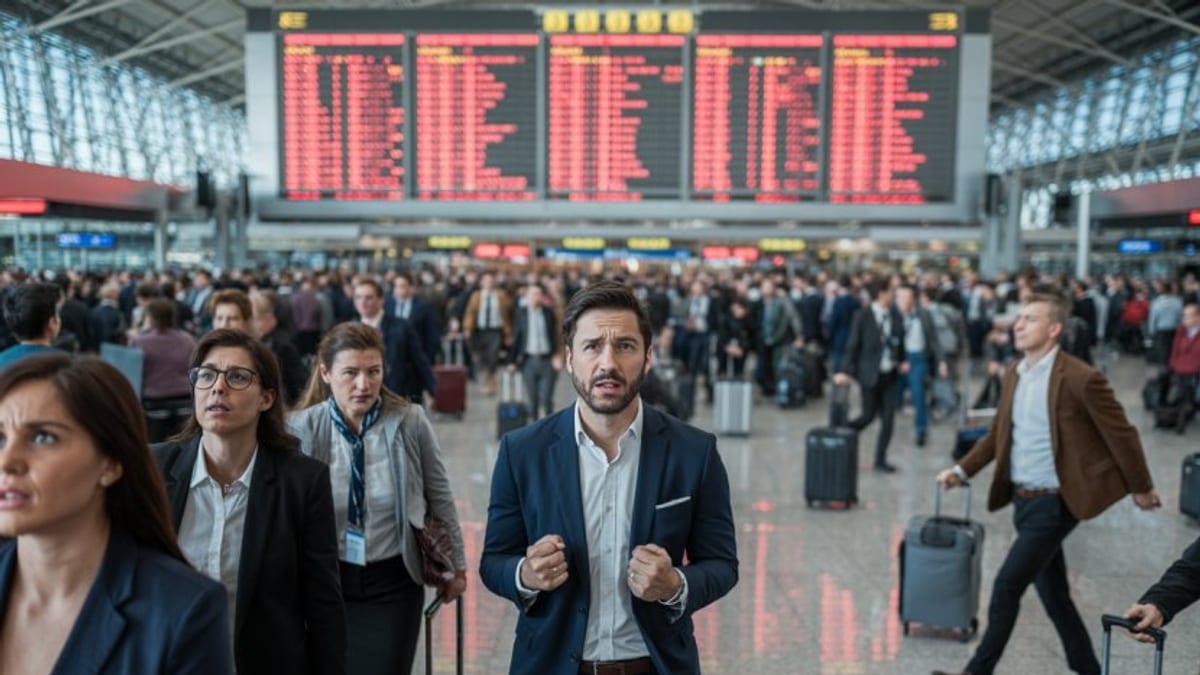
Image by Travel And Tour World
Weather, Runway Work and System Strain Converge at SFO
Publicly available flight tracking data and airport information indicate that SFO saw five cancellations and 81 delayed departures and arrivals within a compressed time frame, creating knock-on effects for travelers connecting through the Bay Area. The pattern aligns with SFO’s reputation for being vulnerable to low coastal clouds and runway constraints that often slow operations during peak periods.
Reports from recent weeks also point to ongoing runway and taxiway construction projects that limit capacity and make the airport more sensitive to even minor operational hiccups. When arrival and departure rates are trimmed, airlines receive fewer slots, and small schedule adjustments can quickly cascade into longer ground holds and rolling departure delays.
The timing of the latest disruptions coincides with a period of heightened strain across the national air system, including staffing challenges, federal funding uncertainty and active construction at several major airports. While SFO’s tally of five cancellations is small compared with large nationwide weather events, the concentration of more than 80 delays in a single day underscores how quickly operations can back up at a hub with tightly banked schedules.
Industry observers note that delays at SFO often reflect a combination of local weather, air traffic flow restrictions and infrastructure work rather than a single clear trigger. For passengers, however, the result is straightforward: longer waits at gates, missed connections and a greater risk of arriving late into already congested airports on the East Coast.
United, Alaska, JetBlue and Others See Schedules Disrupted
The disruption was particularly visible across carriers that rely heavily on SFO as a gateway to the West Coast and beyond. United Airlines, which maintains a major hub at SFO, experienced a series of delayed departures on key domestic routes, resulting in downstream schedule changes at connecting airports across the country.
Alaska Airlines, which has adjusted its SFO footprint in recent seasons while strengthening operations elsewhere in California, also reported affected flights, with some departures pushed back as aircraft and crews were held in queues for available slots. JetBlue, a smaller but still significant player at SFO, encountered delays primarily on transcontinental services, where even moderate schedule shifts can translate into late-night arrivals in New York and Boston.
Other domestic carriers, including low-cost operators, were not immune. Because SFO serves as an origin and destination point for both business and leisure travelers, a disruption that touches multiple airlines in the same operating window can leave gate areas crowded and rebooking desks busy, even when the headline number of outright cancellations remains relatively modest.
Industry data shows that once delays reach the one to two hour range, aircraft and crews are frequently out of position for subsequent flights. As a result, even a short burst of disruption at SFO can spread to later departures from airports such as Los Angeles, Seattle, Denver and Chicago as airlines work to re-align their networks.
Impact Felt on Los Angeles, New York and Other High-Demand Routes
The knock-on effects of SFO’s delays were most keenly felt on high-demand corridors linking the Bay Area with Los Angeles and New York, where aircraft typically operate multiple turns per day. Flights between SFO and Los Angeles area airports, including Los Angeles International and regional fields, reported pushed-back departure times as crews waited for inbound aircraft to arrive and clear.
On transcontinental runs to New York, delayed departures from SFO contributed to late evening and overnight arrivals, adding strain to already busy East Coast terminals. Even when flights ultimately operated, passengers faced extended gate holds or revised boarding times, increasing the risk of missed onward connections to secondary cities throughout the Northeast and Midwest.
Additional ripple effects were reported on routes to other major hubs such as Houston, Dallas, Chicago and Washington, where connecting passengers from delayed SFO flights arrived later than scheduled. Airlines responded by adjusting departure times where possible, consolidating lightly booked flights and, in some cases, issuing rolling delay advisories throughout the day.
For travelers, the practical impact ranged from minor inconvenience to significant itinerary changes. Those with tight connections often had to be rebooked onto later services, while others saw same-day plans compressed as arrival times slid into late evening. The disruption also affected international itineraries that use SFO as a jumping-off point, with some passengers missing long-haul connections and having to overnight before continuing their journeys.
Travelers Navigate Rebooking, Rights and Limited Protections
As delays mounted, many passengers turned to airline apps and customer service channels to rebook flights, secure meal vouchers or adjust onward plans. Recent federal discussions about strengthening passenger compensation rules for long delays remain ongoing, leaving most travelers dependent on individual airline policies rather than standardized cash payments for disrupted itineraries.
In the United States, current rules generally require compensation only in specific circumstances, particularly when passengers are involuntarily bumped from oversold flights. For delays and cancellations, airlines typically offer rebooking on the next available service and, depending on the cause and carrier, may provide hotel or meal assistance as a courtesy rather than a legal obligation.
Consumer advocates advise that when multiple airlines are affected at the same airport, passengers should monitor both their carrier’s status tools and broader flight-tracking resources to understand whether delays are caused by local conditions, national air traffic issues or airline-specific problems. That context can shape what level of assistance is realistically available and how quickly operations might recover.
Travelers caught in the latest SFO disruption also faced the challenge of limited seat availability on alternative flights, especially on popular business routes to Los Angeles and New York. Same-day rebooking options were often constrained, pushing some passengers to accept next-morning departures or reroutes through secondary hubs in the Mountain West or Pacific Northwest.
What This Means for Upcoming Spring and Summer Travel
The cluster of cancellations and delays at SFO serves as an early warning for travelers heading into the busy spring break and summer seasons. With construction projects, staffing pressures and volatile weather patterns all influencing airport performance, even relatively small operational disruptions can generate visible turbulence for passengers.
Travel industry coverage in recent weeks has highlighted how airport bottlenecks in one region can quickly spread across carrier networks, especially when combined with longer security lines or federal staffing shortfalls. For travelers planning trips through SFO or other congestion-prone hubs, building in longer connection times and favoring early-day departures can reduce the risk of severe knock-on delays.
Analysts note that airlines have been investing in technology to predict and manage disruptions more proactively, including tools that notify customers of expected delays before they leave for the airport. While these systems cannot prevent weather or capacity limitations, they can give passengers more flexibility to adjust plans in real time and avoid the most crowded periods at affected terminals.
The recent disruption at SFO underscores that, despite incremental improvements, the US air travel system remains highly sensitive to pressure points at major hubs. For now, travelers are encouraged to remain vigilant about flight status updates, understand the limits of available compensation and prepare for the possibility that even a handful of cancelled flights and several dozen delays at a single airport can have outsized effects across the country.