

More news on this day
Travelers across the United States faced fresh disruption after operations at San Francisco International Airport were hit by at least five flight cancellations and 81 delays, creating a ripple effect on major routes to Los Angeles, New York and other key cities for United Airlines, Alaska Airlines, JetBlue and additional carriers.
Get the latest news straight to your inbox!
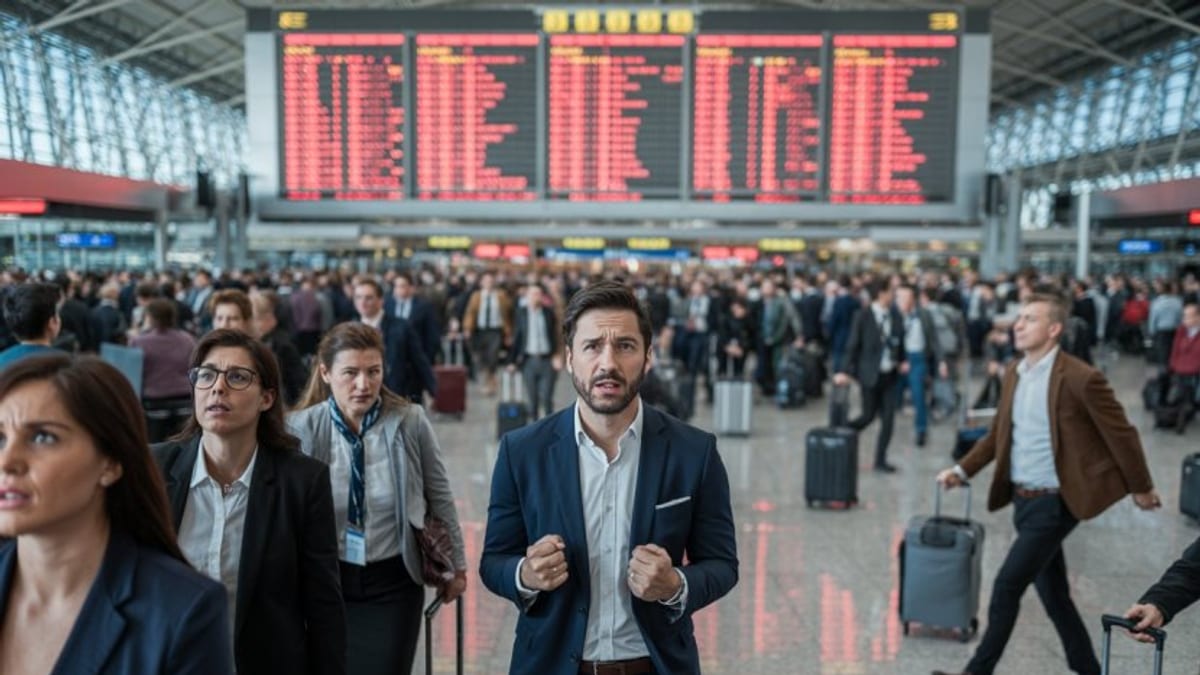
Image by Travel And Tour World
Operational Snags Slow Departures and Arrivals at SFO
Publicly available flight-tracking data on Sunday indicated that San Francisco International Airport was contending with a concentrated bout of irregular operations, with a cluster of cancellations and dozens of delayed services through the morning and midday periods. While the figures are modest compared with large-scale storm events, the disruption was significant enough to affect tightly timed connections and popular transcontinental routes.
The tally of five cancellations and 81 delayed flights reflects only a slice of the day’s overall schedule at SFO, one of the country’s busiest hubs. Even relatively small numbers can play an outsized role at an airport that typically handles hundreds of daily departures and arrivals, particularly when delays hit during peak travel banks that feed cross-country and regional networks.
Reports indicate that affected flights included a mix of domestic departures and arrivals, with some aircraft held at gates longer than planned and others facing later pushback times. As a result, knock-on delays built steadily across the late morning and early afternoon, complicating travel plans for passengers with onward journeys.
According to published operational primers on SFO, the airport’s tightly spaced runways and complex airspace can amplify the impact of any constraint on arrival or departure rates. Even when weather remains generally flyable, relatively small reductions in capacity or minor operational bottlenecks can quickly cascade into a queue of delayed aircraft.
United, Alaska, JetBlue and Others See Network Ripple Effects
The disruption at SFO did not remain local. Because the airport functions as a key hub and focus city for multiple airlines, late departures and cancellations began spilling into networks that link San Francisco with Los Angeles, New York and additional destinations across the country.
United Airlines, which operates a large hub at SFO, appeared among the most exposed carriers, with delayed departures affecting both short-haul West Coast hops and longer transcontinental services. Alaska Airlines and JetBlue, which also rely on San Francisco to feed important coastal and cross-country routes, showed scattered delays on flights that either originated in or were scheduled to pass through the Bay Area.
Major city pairs such as SFO to Los Angeles and SFO to New York, including services to John F. Kennedy International and Newark Liberty International, were among those feeling pressure as departure times slid back and aircraft rotations tightened. Travelers on other carriers with smaller SFO footprints also encountered schedule changes as aircraft and crew were repositioned.
Because hub operations are interdependent, even a handful of disrupted flights at a central airport can ripple outward into late arrivals elsewhere. Aircraft turning around at downline stations may depart behind schedule, extending the effect of a relatively contained SFO event to airports across the country later in the day.
Weather, Air Traffic Management and Infrastructure Play a Role
Industry analyses frequently cite San Francisco International Airport as particularly sensitive to shifts in weather and air traffic management programs. With two closely spaced parallel runways, reduced visibility or low cloud ceilings can limit simultaneous arrivals, prompting federal air-traffic planners to introduce ground delay programs that meter inbound traffic and lengthen scheduled flight times.
Recent aviation and weather studies highlight that SFO experiences a high share of delays attributed to weather factors, including coastal fog, shifting wind patterns and seasonal storms that move through Northern California. When arrival rates are trimmed for safety and spacing, arriving flights may be assigned later landing slots, which in turn can delay subsequent departures that rely on the same aircraft.
Operational planning documents show that in marginal or inclement conditions, SFO’s hourly acceptance rate for arrivals can fall well below its maximum in clear weather. In practice, this means that even if only a fraction of flights are formally canceled, a far larger set of departures and arrivals can experience schedule changes as airlines adjust to the reduced throughput.
Beyond weather, broader system factors such as congestion in the national airspace system and routine maintenance or staffing constraints can add friction. When these pressures converge on an already busy hub like SFO, travelers are more likely to encounter extended taxi times, reroutes in the air or gate holds that translate into late arrivals and missed connections.
Travelers Face Missed Connections and Rebooking Challenges
For individual passengers, five cancellations and dozens of delays translate into very practical issues: missed meetings, rerouted itineraries and unexpected overnight stays. As Sunday’s disruptions unfolded, social media posts and traveler reports referenced missed connections on onward flights from hubs in Los Angeles, New York and other cities linked to SFO’s schedule.
Passengers on United, Alaska, JetBlue and other carriers encountered familiar hurdles as they sought new options. With many delayed flights still operating, open seats on alternative departures were limited, particularly on heavily booked routes such as SFO to LAX and SFO to East Coast airports. Travelers with separate tickets or tight layovers found themselves especially vulnerable to missed onward segments.
Public information from airlines and the U.S. Department of Transportation notes that carriers generally provide meal vouchers or hotel accommodations only when disruptions are considered within their control, such as mechanical or crew-related issues. When delays stem from air-traffic management programs or weather-related constraints, travelers may have fewer guaranteed benefits, even when the impact on personal schedules is substantial.
As a result, many affected passengers turned to self-service tools in airline apps and kiosks to monitor gate changes, track aircraft positions and request rebookings. While these tools can speed up the process for some, others continued to rely on ticket counters and phone support, contributing to queues and longer wait times for assistance.
What This SFO Episode Signals for Spring Travel
The latest round of delays and cancellations at San Francisco International Airport arrives just as spring travel ramps up across the United States. Industry data and recent storm seasons suggest that travelers should expect intermittent disruption through late March and April, particularly on routes that rely on weather-sensitive hubs.
Analysts point out that even outside of major holiday peaks, domestic aviation networks are operating close to capacity on many days. That leaves limited slack to absorb unexpected constraints at a single airport. When SFO, Los Angeles International or New York area airports experience reduced capacity, the aftershocks can touch travelers nationwide.
For those planning trips involving San Francisco, Los Angeles or New York in the coming weeks, consumer advocates recommend building in longer connection times, favoring earlier departures that allow room for rebooking later in the day, and keeping a close eye on forecasts that might trigger ground delay programs or capacity reductions.
While Sunday’s disruption at SFO was relatively contained in scale, it underscores how even modest operational challenges at a major hub can reverberate quickly through complex airline networks. For passengers on United, Alaska, JetBlue and other carriers, staying flexible and informed remains the most reliable strategy for navigating an increasingly crowded spring travel season.