

More news on this day
Air travelers passing through San Francisco International Airport in the coming months are being urged to brace for longer waits, as new federal landing restrictions and an extended runway repaving project sharply reduce the number of flights that can arrive each hour.
Get the latest news straight to your inbox!
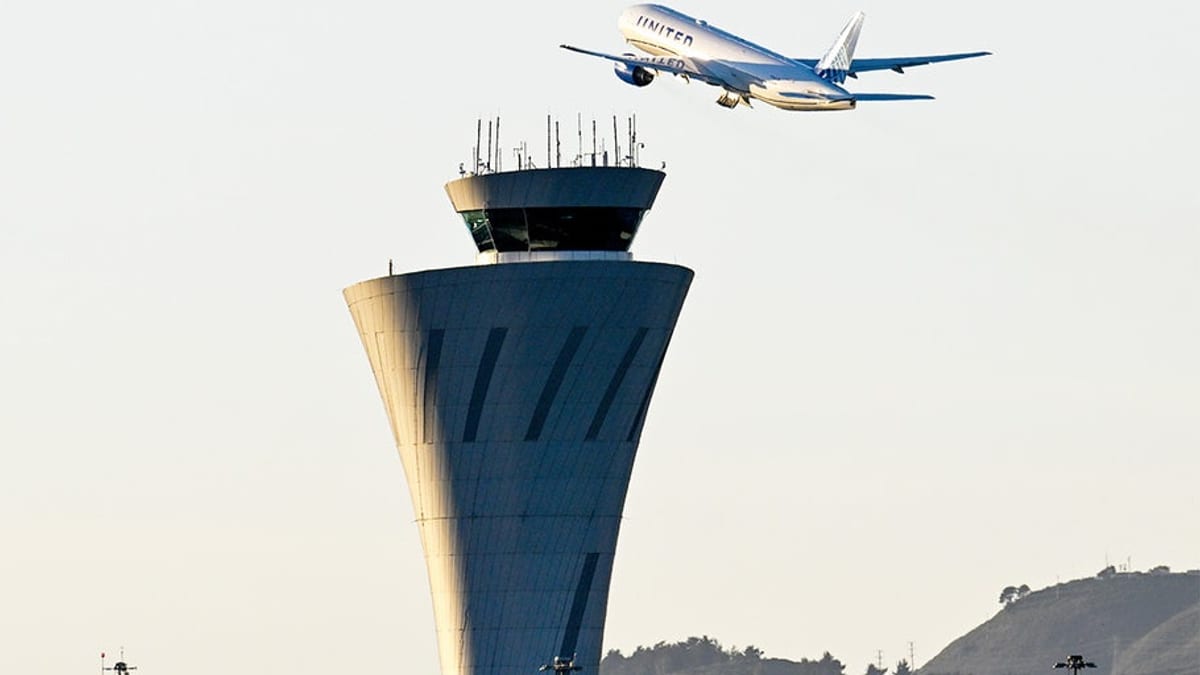
Image by Fox Business
New FAA Safety Limits Cut Arrival Capacity
Publicly available information from federal regulators shows that the Federal Aviation Administration has imposed new safety restrictions on certain landings at San Francisco International Airport, effectively banning side by side approaches to the airport’s closely spaced parallel runways. The change, announced March 31, is described in national media coverage as a permanent adjustment to how aircraft are sequenced into SFO during busy periods and in a variety of weather conditions.
According to reporting from outlets including Reuters, the combination of the new rules and an ongoing construction program will reduce the airport’s permitted arrivals from about 54 planes per hour to roughly 36. That represents a cut of one third in SFO’s landing capacity at a time when air travel demand remains strong, raising the likelihood of knock on effects for flights throughout airline networks that rely on the Bay Area hub.
Coverage from aviation industry publications notes that the FAA’s decision centers on SFO’s unique runway layout and dense regional airspace, rather than any single incident at the airport. The restrictions target simultaneous approaches to the east west parallel runways, requiring more separation between arrivals and effectively slowing the rate at which aircraft can be cleared to land.
Runway Repaving Project Amplifies Disruptions
The timing of the federal safety move coincides with a major repaving project on one of SFO’s primary runways, adding a second layer of disruption for airlines and travelers. Airport information indicates that a north south runway is closed for approximately six months for resurfacing and related upgrades, with completion targeted for early October.
With that runway out of service, reports explain that its parallel partner is being used in part as a taxiway to ease ground congestion, further constraining arrival and departure options. The result is fewer operational runways available just as the FAA tightens rules on how closely planes can land alongside one another on the remaining pair.
Before the new FAA restrictions were announced, SFO had projected that runway work alone would delay about 10 to 15 percent of flights, typically by under 30 minutes and mainly during peak morning and evening periods. Updated estimates shared in local news coverage now suggest that approximately one quarter of arriving flights could face delays of 30 minutes or more once the safety measures are layered on top of construction related limitations.
Travelers Advised to Plan for Longer Journeys
For passengers, the immediate impact is likely to be felt in longer door to door travel times rather than large waves of wholesale cancellations. Reports from national and local outlets indicate that airlines and the airport are still assessing schedule changes and have not yet detailed significant cuts in daily flights, but they acknowledge that the reduced arrival rate will leave less flexibility during busy hours or during periods of bad weather.
Airline performance data highlighted in recent coverage suggests that delays may manifest both as aircraft waiting on the ground at origin airports for release slots into SFO and as airborne holding patterns near the Bay Area during congested periods. Travelers with tight connections through San Francisco could be particularly exposed if inbound flights run late and connection windows shrink.
Consumer travel analysts quoted across multiple reports recommend that passengers build in additional buffer time, especially for morning and evening departures, consider earlier flights where possible, and monitor flight status closely on travel days. Those with critical same day commitments may choose to route through alternative hubs or use nearby Bay Area airports when schedules allow.
Regional Airports and Airlines Adjust Strategies
The Bay Area’s other major airports are expected to play a larger supporting role while SFO operates under tighter constraints. Publicly available information highlights that Oakland International Airport and San José Mineta International Airport continue to handle growing passenger volumes and may attract additional flights or schedule adjustments from carriers seeking to avoid the most congested arrival banks at San Francisco.
Industry reporting notes that United Airlines, SFO’s largest carrier, along with Alaska Airlines and other operators, are reviewing timetables and may redistribute some capacity across the Bay Area and other West Coast gateways. Any changes are likely to roll out gradually as airlines test how the new landing limits affect actual day to day operations during different seasons and weather patterns.
Aviation experts cited in trade press coverage point out that, while the new rules focus on safety margins in the approach phase of flight, their ripple effects will be felt across airline networks. Crew scheduling, aircraft rotations and on time performance metrics may all require recalibration if delays become more frequent on routes touching San Francisco.
How Long the Disruptions Could Last
The repaving project driving part of the disruption is expected to run for roughly six months, with SFO publicly targeting an early October reopening for the closed runway. Once that work is complete, some operational pressure should ease as the airport regains additional capacity for arrivals and departures, particularly during peak travel waves.
The FAA’s landing restrictions, however, are being described in multiple reports as a longer term safety measure rather than a temporary response to construction. Aviation analysts following the issue note that the prohibition on side by side parallel approaches could remain in place well beyond the end of the repaving program, potentially locking in a lower ceiling on hourly arrivals unless further procedural changes or infrastructure investments are made.
For now, public information indicates that the airport and federal regulators are focused on managing near term impacts while maintaining conservative safety margins. Travelers planning trips through San Francisco over the spring and summer of 2026 are being encouraged by travel industry guidance to check itineraries carefully, allow extra time for connections, and remain prepared for schedule adjustments as airlines adapt to the new operating environment.