

More news on this day
Shandong Airlines has agreed to lease 10 Boeing 737 aircraft in a deal valued at about 405 million dollars, a move industry analysts view as a signal of renewed appetite for Western jets as China’s domestic and regional air travel market continues to accelerate.
Get the latest news straight to your inbox!
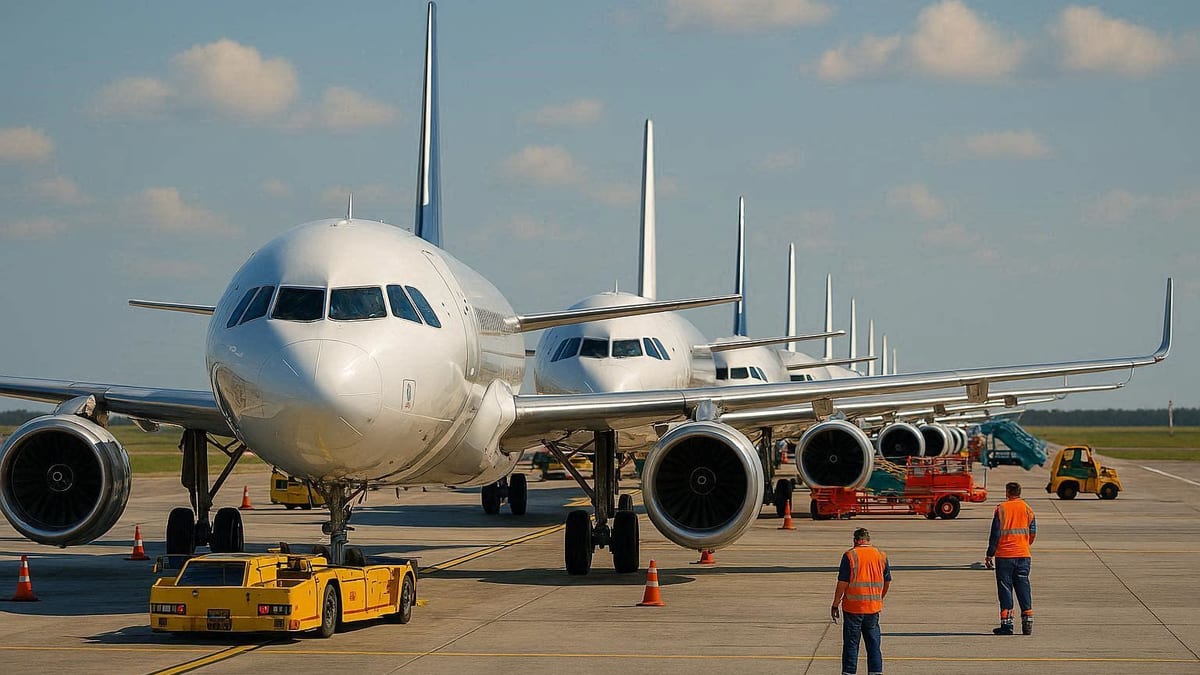
Image by Travel and Tour World – Tourism, Airline, Destination, MICE, Gobal Travel Market, Hotel news that you will find only over here.
New Lease Deal Underscores Fleet Renewal Strategy
The agreement will see Shandong Airlines add 10 Boeing 737 jets through operating leases, providing the Jinan-based carrier with fresh capacity without the heavy upfront costs of outright purchases. Publicly available information indicates the transaction is structured around a total value of approximately 405 million dollars at current catalog pricing and market lease-rate assumptions.
The aircraft are expected to be deployed primarily on high-density domestic routes across Shandong province and major Chinese hubs, as well as selective short-haul international services in Northeast and Southeast Asia. The 737 family already forms the backbone of Shandong Airlines’ narrowbody fleet, simplifying pilot training, maintenance and scheduling as new units arrive.
Industry observers note that the airline has been gradually modernizing its fleet profile over the past several years, retiring older 737 variants and introducing more fuel-efficient models. The new lease package continues that process, positioning the carrier to handle growing demand while improving overall unit economics.
By choosing a leasing structure, Shandong Airlines can adjust fleet size more flexibly in response to market conditions, an approach that has become standard among many Asian carriers balancing growth ambitions with capital discipline.
Significance for Boeing and the China Market
The Shandong Airlines deal is being read by aviation analysts as another sign that Boeing’s narrowbody jets are regaining commercial momentum in China after several years of muted activity. Published coverage over the past two years has highlighted a gradual resumption of Boeing deliveries to Chinese airlines, particularly the 737 family, as regulatory and political headwinds have eased.
China is one of the world’s largest aviation markets, and local airlines rely heavily on single-aisle aircraft for domestic trunk routes and short-haul international sectors. Additional 737 leases to a regional carrier such as Shandong Airlines suggest that Chinese operators remain keen to diversify their fleets between Western and domestic manufacturers where it supports their operational and financial goals.
For Boeing, incremental lease-driven placements are important not only for near-term revenue visibility but also for reinforcing long-term customer relationships. While lessors typically hold the asset, the manufacturer benefits from ongoing support, parts sales and the prospect of future replacement cycles as leased aircraft age.
The transaction also lands at a time when global narrowbody supply remains tight, with many airlines still waiting on new deliveries. Shandong Airlines’ ability to line up 10 additional 737s underscores the continued willingness of lessors to place Boeing aircraft in the Chinese market.
Capacity Growth Tied to China’s Demand Recovery
China’s air travel demand has been rebounding strongly, particularly on domestic routes linking major coastal cities with inland economic centers. Timetables for the current season show dense schedules on core Shandong Airlines routes connecting Jinan, Qingdao and other provincial destinations with Beijing, Shanghai and Guangzhou, as well as selected international gateways.
Leasing 10 additional Boeing 737s gives Shandong Airlines headroom to add frequencies on popular routes and open new city pairs as passenger numbers continue to climb. The airline operates in one of China’s most economically active coastal regions, where a mix of business travel, visiting friends and relatives, and short leisure trips has been pushing load factors higher.
Analysts following Chinese aviation trends point out that regional carriers like Shandong Airlines are increasingly central to network connectivity, feeding traffic into the country’s larger hub-and-spoke systems. Modern narrowbody aircraft with competitive fuel burn and higher seating density help carriers capture that demand while keeping fares relatively stable.
As competition intensifies from both state-controlled and private rivals, the fresh capacity from this lease package is expected to support Shandong Airlines’ market share in Shandong province and neighboring regions.
Efficiency, Sustainability and Passenger Experience
In line with broader industry trends, the additional Boeing 737 aircraft are expected to contribute to lower per-seat emissions compared with older-generation jets. Modern 737 variants typically offer double-digit percentage improvements in fuel efficiency, which translates directly into reduced carbon output per passenger kilometer.
Public documents and airline fleet data show that Shandong Airlines has been steadily shifting toward newer, more efficient narrowbody types. The latest leased aircraft should support that goal by replacing or backfilling aging units, enabling the carrier to benefit from improved aerodynamics, updated avionics and lighter cabin materials.
Onboard, passengers can expect cabins configured for China’s high-density short-haul market, with a focus on quick turnarounds and consistent comfort standards rather than luxury amenities. Many Chinese carriers deploying new 737s have introduced refreshed interiors featuring slimmer seats, improved LED lighting and expanded overhead storage to speed boarding and deplaning.
The emphasis on efficiency is not only environmental but financial. With fuel costs and competitive pricing pressure affecting margins, small gains in fuel burn and maintenance intervals across 10 aircraft can significantly influence the airline’s profitability over the life of the leases.
Competitive and Strategic Implications
The 405 million dollar lease agreement aligns Shandong Airlines more closely with the fleet strategies of other fast-growing Chinese carriers, which have combined a mix of owned and leased aircraft to scale quickly while managing balance-sheet risk. Operating leases remain a favored tool in Asia’s aviation markets, enabling airlines to respond quickly to policy shifts, airport capacity changes and macroeconomic swings.
Shandong Airlines operates under the broader umbrella of China’s state-linked aviation ecosystem, and its decisions are closely watched for clues about how regional carriers plan to balance domestic aircraft programs with continued reliance on Western manufacturers. The new 737 lease package suggests that, at least for the medium term, pragmatic considerations around performance, support networks and financing continue to guide fleet choices.
For travelers, the impact is likely to be felt in more frequent services, additional time options on busy routes and potentially greater reliability as newer aircraft take on a larger share of the schedule. For the wider industry, the deal is another data point indicating that Chinese airlines are preparing for sustained growth in both domestic and near-international markets, backed by a renewed willingness to commit capital and credit to fleet expansion.
As the 10 newly leased 737s progressively enter service, Shandong Airlines is positioned to play a more prominent role in China’s evolving aviation landscape, using a modernized narrowbody fleet to compete for passengers across one of the world’s most dynamic air travel markets.