

More news on this day
Shangri-La Qaryat Al Beri in Abu Dhabi has announced the appointment of dim sum specialist Leong Tek Chuin, bringing more than a decade of culinary experience across Asia, Europe and the Middle East to its waterfront property.
Get the latest news straight to your inbox!
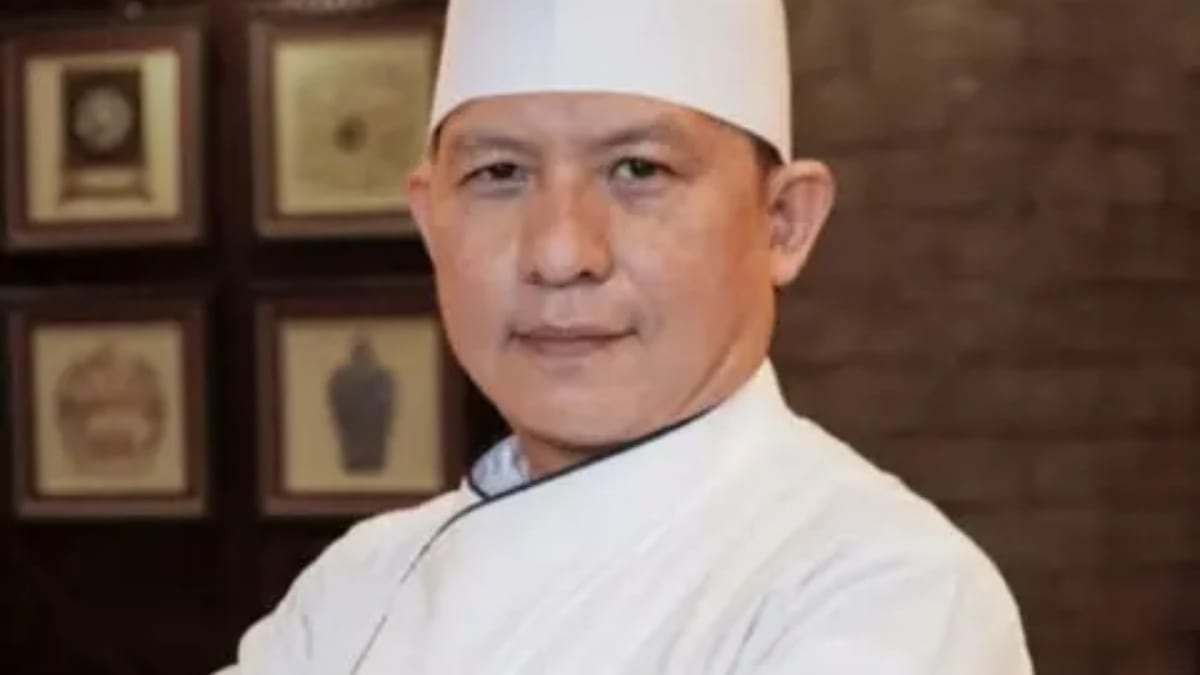
Image by International Hotels News, Hotel Industry & Hospitality News
A Strategic Addition To Abu Dhabi’s Evolving Dining Scene
The appointment of Leong Tek Chuin is positioned as part of Shangri-La Qaryat Al Beri’s broader effort to strengthen its Asian dining credentials in the UAE capital. Publicly available information on the resort’s current food and beverage portfolio highlights a mix of Chinese, French and international concepts that seek to appeal to both local residents and international travelers.
Reports indicate that Abu Dhabi’s hospitality sector has been focusing on diversifying its culinary offerings, with particular attention to regional Chinese cuisines and premium dim sum. In this context, bringing in a specialist chef with cross-continental experience reflects an attempt to answer rising demand from guests seeking more authentic and technically precise Cantonese-style dishes.
The resort’s location between central Abu Dhabi and the emerging developments on nearby islands has helped position it as a leisure and dining destination for weekend visitors and business travelers alike. The addition of a new dim sum chef is expected to support this positioning by adding another draw for gastronomic tourism within the emirate.
Dim Sum Expertise Shaped Across Three Continents
According to available background information, Leong Tek Chuin’s career spans kitchens in Asia, Europe and the Middle East, with a focus on traditional dim sum techniques and contemporary presentation. This type of trajectory is increasingly common among chefs working in luxury hotels, where exposure to different culinary cultures is seen as essential to menu innovation.
Industry coverage of similar appointments in the region suggests that hotels are looking for chefs who can move comfortably between classic recipes and modern tastes, adapting levels of seasoning, texture and plating for diverse international audiences. In practice, this often means reinterpreting basket classics such as har gau, siu mai and cheung fun while preserving handmade methods and attention to dough, filling ratios and steaming times.
Observers of regional dining trends note that dim sum also offers operational flexibility, allowing venues to serve both leisurely weekend brunches and quick business lunches. A chef with extensive experience across markets is typically expected to calibrate menus for different dayparts and guest profiles, balancing signature items with rotating seasonal specials.
Enhancing the Culinary Identity of Shangri-La Qaryat Al Beri
Shangri-La Qaryat Al Beri has long promoted itself as a destination for guests seeking elevated Asian hospitality paired with a waterfront Arabian setting. Existing restaurant concepts at the property, as described in publicly available materials, already highlight influences from Chinese and European fine dining alongside regional dishes.
The arrival of a dedicated dim sum specialist strengthens that narrative by underlining the role of Chinese culinary traditions in the resort’s overall identity. In the broader Shangri-La portfolio, dim sum has often been a focal point of Chinese restaurants, with many properties presenting it as an accessible entry point into more intricate regional cooking.
Industry observers point out that, in competitive urban markets, culinary differentiation is central to how luxury hotels define themselves. By emphasizing a chef-led dim sum program, the Abu Dhabi resort appears to be aligning with a wider movement in which properties promote individual chefs and niche specialties as key elements of their brand story.
Responding to Growing Demand for Authentic Chinese Cuisine in the UAE
Recent coverage of the UAE dining landscape indicates a sustained rise in interest for more specialized Chinese cuisine, including dim sum, Sichuan dishes and regional street-food inspired menus. While Dubai has long been regarded as the country’s primary hub for such offerings, Abu Dhabi has been steadily expanding its own portfolio of Asian restaurants.
Within this environment, the decision to highlight a chef whose background is rooted in Chinese culinary arts speaks to a desire to meet expectations from increasingly well-traveled diners. Many guests in the luxury segment are familiar with benchmark dim sum experiences in cities such as Hong Kong, Singapore and London, and look for comparable quality when visiting the Gulf.
Hospitality analysts note that hotels in the region are investing more in training, sourcing and chef recruitment to bridge that gap. The appointment of Leong Tek Chuin fits this pattern, indicating that Shangri-La Qaryat Al Beri is seeking to compete more directly with established regional players in the premium Asian dining category.
Outlook for Shangri-La’s Culinary Position in Abu Dhabi
Market observers expect that the strengthening of the resort’s dim sum credentials will support wider efforts to market Shangri-La Qaryat Al Beri as a culinary destination in its own right. This could include pairing dim sum with business-focused set menus during the week and more expansive weekend experiences designed for families and groups.
Publicly available information on Abu Dhabi’s tourism strategy highlights an emphasis on repeat visitation and longer stays, with dining cited as a key component of visitor satisfaction. Enhancing the resort’s Asian offering through a chef-driven dim sum program aligns with that objective by offering guests another reason to remain on property for multiple meals.
As Leong Tek Chuin settles into the role of dim sum chef, industry watchers will be looking to menu developments, guest feedback and possible collaborations with other chefs within the Shangri-La network as indicators of how the appointment shapes the resort’s culinary reputation in the months ahead.