

More news on this day
Shimla’s growing winter tourism exhibition is emerging as more than a seasonal attraction, with recent editions turning the hill city into a national stage for cultural exchange, economic opportunity and messages of unity that resonate well beyond the Himalayan state of Himachal Pradesh.
Get the latest news straight to your inbox!
Winter Tourism Takes Center Stage on the Ridge
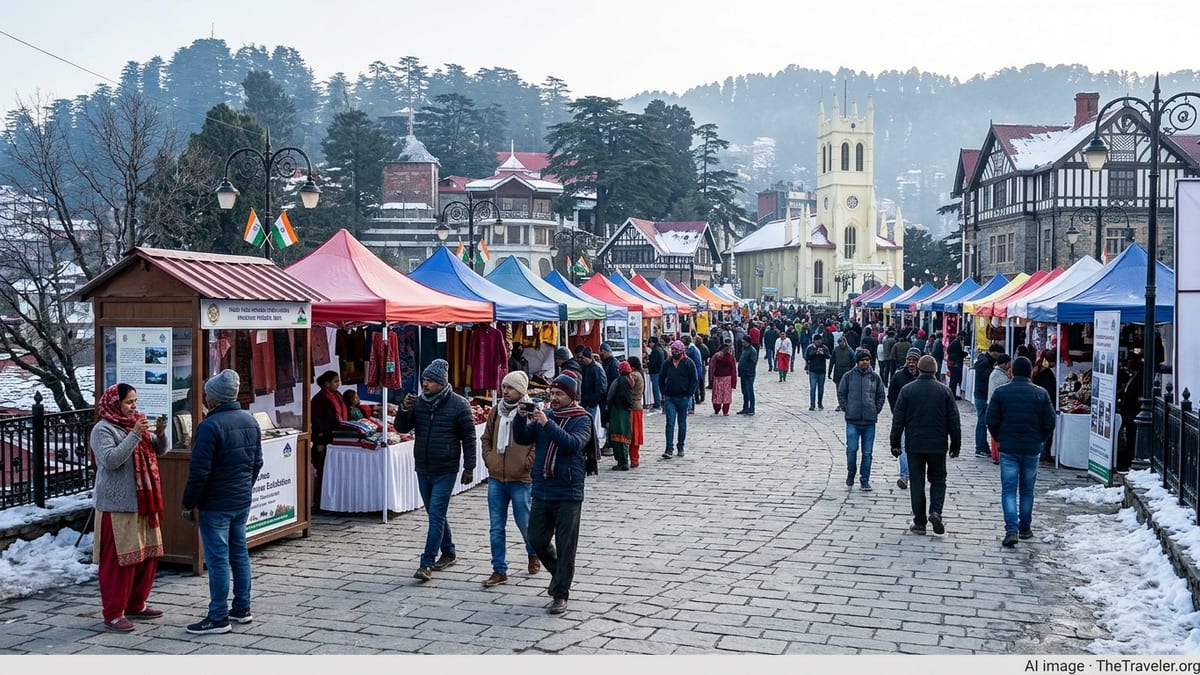
In recent seasons, Shimla’s winter tourism showcase on the historic Ridge has developed into a wide-ranging exhibition that combines cultural performances with departmental and commercial stalls. Publicly available information shows that the latest winter carnival format features everything from painting exhibitions at Gaiety Theatre to themed installations, food courts and handicraft displays, offering visitors a curated window into Himachal Pradesh’s tourism potential.
The exhibition section of the winter event has attracted growing attention as it brings together tourism stakeholders, government departments and private operators in one compact, walkable space. Reports indicate that stalls highlight homestays, eco-tourism circuits, adventure travel, heritage sites and local products such as handloom, handicrafts and regional cuisine, turning the carnival into a soft launchpad for the region’s upcoming travel season.
For domestic travelers arriving from major Indian metros during the Christmas and New Year holiday period, the Ridge exhibition serves as an introduction to winter in the middle Himalayas. With cultural programming running alongside information counters and promotional booths, the event offers both entertainment and practical details for travelers considering longer journeys within Himachal or repeat visits later in the year.
The format also aligns with recent planning documents from Himachal tourism authorities that emphasize structured tourism infrastructure, inclusive growth and diversified offerings. By anchoring these themes within a high-visibility winter exhibition, Shimla is positioning itself as a year-round hub rather than only a classic summer hill station.
National Participation and a Message of Unity
While rooted in local tradition, Shimla’s winter tourism exhibition is gradually adopting a national character. Cultural troupes, musicians and performers from multiple Indian states have appeared in recent editions of the wider winter carnival, contributing folk dances, contemporary music and fusion acts that broaden the event’s appeal for a pan-Indian audience.
Published coverage of the most recent carnival season notes that performances on the Ridge and at associated venues draw large crowds of visitors from different regions of India, many of whom combine festival attendance with short breaks in nearby destinations such as Kufri, Narkanda and Mashobra. The mix of languages, dress and regional cuisines visible on the Ridge highlights the role of tourism as a vehicle for everyday interaction across state lines.
The exhibition space itself reinforces this sense of unity by foregrounding shared themes such as heritage conservation, eco-tourism and responsible travel. Stalls promoting trekking, wildlife sanctuaries and rural stays frequently use multilingual signage and visual storytelling that can be understood by visitors from varied backgrounds, placing the focus on common experiences rather than regional differences.
As India continues to promote domestic tourism under national campaigns, Shimla’s winter showcase illustrates how mid-sized destinations can support those goals. The convergence of visitors from plains cities, coastal states and other Himalayan districts during the winter period presents an informal forum for cultural exchange, supported by the visual backdrop of restored colonial-era architecture and snow-dusted hills when weather permits.
Boost for Local Economy and Small Enterprises
For Shimla’s tourism-driven economy, the winter exhibition has become a crucial bridge between the monsoon shoulder season and the spring rebound in visitor arrivals. Reports from regional media describe strong footfall along Mall Road and the Ridge during peak carnival days, with hotels, guesthouses, restaurants and small shops benefiting from extended opening hours and higher occupancy.
The exhibition component plays a distinct role by giving micro and small enterprises a temporary but prominent storefront in the city’s most visited public space. Artisans from across Himachal are able to showcase woolens, woodcraft, metalwork and local food products directly to consumers, bypassing intermediaries and testing new designs or packaging in real time.
Travel agencies, adventure operators and homestay collectives also use the winter platform to introduce packages tailored to late-season visitors. Public notices from Himachal’s tourism directorate in recent months have highlighted a focus on exhibition stall design and audio-visual promotion, indicating an effort to professionalize how the region presents itself to potential investors and repeat travelers.
The spending ripple extends beyond central Shimla. Taxi operators, guides and transport services linking the city with nearby destinations record heightened demand during the exhibition window. As visitors exposed to the Ridge displays book side trips to snow points, ski slopes or heritage villages, revenue flows outward into smaller mountain communities that rely heavily on tourism throughout the winter.
Linking Winter Showcase to Long-Term Tourism Strategy
The expansion of Shimla’s winter tourism exhibition coincides with broader planning initiatives aimed at sustainable and inclusive tourism in Himachal Pradesh. Recent project documents for tourist and recreation facilities around Shimla emphasize diversification away from a narrow focus on peak-summer travel, encouraging winter sports, nature-based tourism and cultural experiences that distribute visitor pressure more evenly across the year.
Within this framework, the winter exhibition functions as a live demonstration of policy priorities. Stalls promoting eco-tourism routes, heritage walks and low-impact adventure activities are aligned with a push to reduce overcrowding at a handful of iconic viewpoints and instead guide travelers toward a network of lesser-known sites. Information panels and interactive displays highlight responsible behavior in fragile mountain environments, addressing concerns over waste management and resource use.
At the same time, the exhibition’s emphasis on digital tools points to a more connected future for the region’s tourism sector. References in official tenders and notices to LED walls, audio-visual installations and technology-enabled visitor information suggest that upcoming editions of the winter showcase will rely increasingly on multimedia storytelling and online integration of tourism services.
For planners, these developments make the exhibition a testing ground for new signage, branding and visitor-flow management strategies that can later be deployed at other festivals or permanent attractions. The concentrated environment on the Ridge, with high visitor density over a short window, offers immediate feedback on what information formats and themes resonate most strongly with travelers.
Positioning Shimla Within India’s Winter Travel Map
As domestic travel patterns evolve, Shimla’s winter tourism exhibition is helping to reposition the city within India’s competitive landscape of cold-weather destinations. Traditionally known for summer retreats and occasional snowfall, the city is now actively marketing its December and January calendar as a primary draw, aligning itself with emerging winter circuits that link the hill station to nearby valleys and high-altitude districts.
Media reports on recent carnivals have underscored how the Ridge festivities are paired with events in other Himachal destinations, including Dharamshala and Lahaul, creating a loose network of winter celebrations across the state. This approach encourages visitors to view Shimla not as an endpoint but as a gateway to wider exploration, whether that involves skiing, cultural festivals or wildlife excursions.
The emphasis on national unity within the exhibition content also mirrors a broader effort to position Himachal as a welcoming, all-India destination. Visual motifs celebrating different regions, sports achievements and shared cultural symbols are increasingly prominent in stage backdrops and exhibition materials, appealing to a pan-Indian audience that is both budget-conscious and experience-driven.
For TheTraveler.org’s readers considering a winter journey in the Himalayas, Shimla’s evolving exhibition offers a snapshot of how Indian hill stations are reshaping their identities. By blending cultural programming, policy messaging and market opportunity into a single winter platform, the city is turning seasonal chill into a catalyst for both national connection and long-term economic growth.