

More news on this day
Shrewsbury’s historic high streets, long overshadowed by bigger British cities, are rapidly emerging as one of the country’s most engaging urban playgrounds for tourists seeking character, culture and independent shopping in one walkable package.
Get the latest news straight to your inbox!
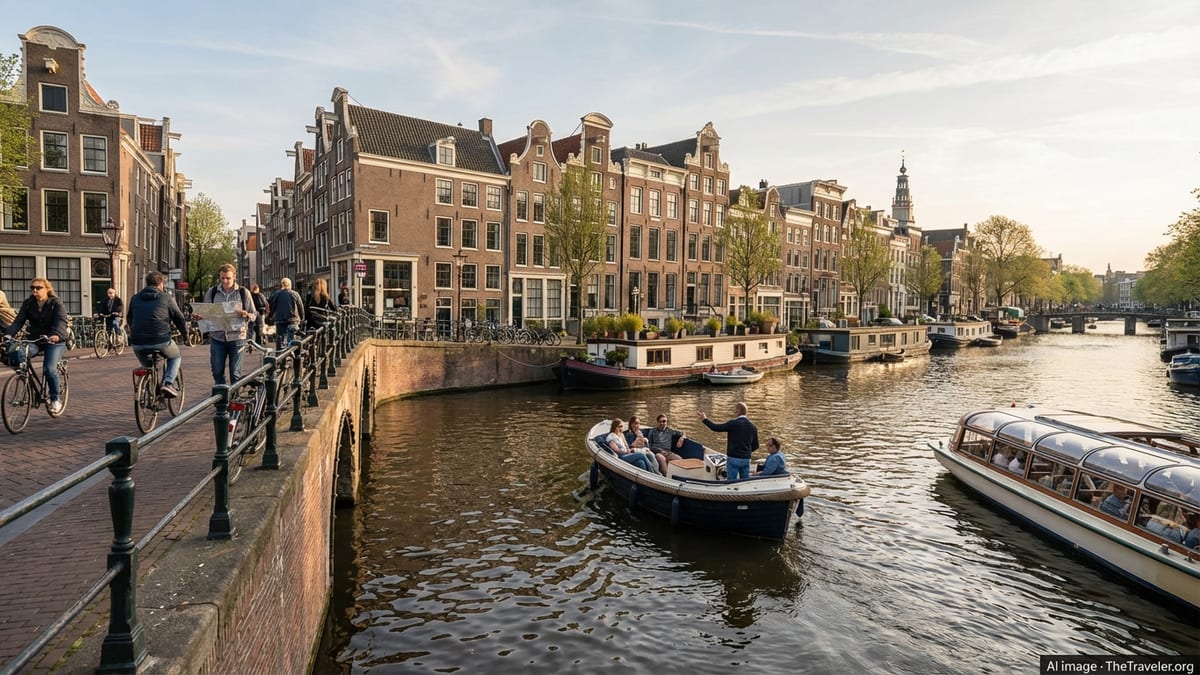
Footfall Surges As Shrewsbury Steps Into the Spotlight
Recent figures indicate that Shrewsbury’s compact town centre is attracting visitors at levels not seen since before the pandemic, underscoring how its streets are evolving from local shopping thoroughfares into a regional tourism draw. Data from town-centre footfall cameras showed late 2025 as the busiest trading period since Christmas 2019, with more than 260,000 visits recorded across a single week on Pride Hill and High Street. Reports suggest that one Saturday in December set a new post-pandemic record for daily visitor numbers, reflecting the town’s growing pull as a day-trip and short-break destination.
Media recognition has reinforced this momentum. National coverage from UK newspapers has highlighted Shrewsbury as both Britain’s “Best High Street” and one of its most complete market towns, praising the way its Tudor-fronted streets, alleyways and central square combine heritage architecture with an increasingly modern mix of retailers, cafes and cultural spaces. This blend of old and new has helped to shift perceptions of the town from a sleepy county centre to a high-street experience that rewards slow exploration.
Publicly available commentary from local business groups notes that independent traders have benefited from the uptick in visitor numbers, particularly during peak weekends and major festivals. The concentration of shops, hospitality venues and attractions within a short walking radius of the railway station makes Shrewsbury a straightforward choice for rail-based visitors, a factor that is becoming more important as travellers look for car-light or car-free city-break options.
Town-centre advocates argue that these trends are turning the high streets themselves into a primary visitor attraction rather than simply a route between other sights. For many newcomers, the first impression of Shrewsbury now comes from busy pavements, outdoor seating and packed market arcades that feel closer to a European-style historic quarter than a traditional British high street.
Regeneration Plans Turn Streets Into a Riverside Playground
Alongside rising visitor numbers, a wave of regeneration projects is reshaping how people move through Shrewsbury’s core streets and towards the River Severn. The Shrewsbury Big Town Plan, a long-term framework backed by local public bodies, sets out proposals to prioritise walking and cycling and to reduce through-traffic across key central routes. Planning documents describe a vision in which streets such as Pride Hill, Mardol and their connecting lanes link seamlessly to an expanded riverside quarter, opening up new circuits for visitors.
At the heart of this effort is the redevelopment of the former Riverside shopping centre and adjoining sites, an area earmarked for mixed-use blocks, public squares and a new riverside promenade. Council reports on the Smithfield Riverside scheme outline aims to reconfigure the highway network, diverting more vehicles away from the central loop and freeing parts of Smithfield Road for greener, pedestrian-friendly space beside the river. Concept material for the project points to stepped terraces, outdoor dining areas and improved access between the elevated high street and the waterside.
Regeneration policy papers further emphasise the intention to create “extraordinary new connections” between the historic town and the river, using new walkways and public spaces to turn what was once dominated by a multi-storey car park into a destination in its own right. For visitors, this could mean a future in which a single stroll links the black-and-white timbered frontages of the High Street with modern terraces overlooking rowing boats, festivals and riverside performances.
Planners also highlight flood resilience and climate adaptation as key considerations for the riverside works, noting that better-managed public spaces can help the town live more comfortably with the Severn while still allowing residents and tourists to enjoy its views. If fully realised, these plans would give Shrewsbury one of the most distinctive town-centre river promenades in the region, reinforcing its reputation as a walkable urban playground.
Markets and Independents Anchor a Distinctive Retail Mix
While many UK high streets grapple with empty units and the dominance of national chains, Shrewsbury’s appeal is closely tied to the strength of its independent traders and its covered market. National awards have repeatedly recognised Shrewsbury Market Hall as one of Britain’s favourite markets, praising its mix of food stalls, crafts, specialist retailers and evening events. The market sits just off the main pedestrian routes, meaning visitors can move easily from cobbled lanes to an indoor hub that remains busy well into the afternoon.
Published coverage notes that the market’s accolades in recent years, including recognition from industry bodies representing British markets, have boosted its profile among domestic tourists planning short breaks around food and shopping. The result is a high street ecosystem where independent delis, bookshops and lifestyle boutiques spill out onto side streets, reinforced by the market’s cluster of traders offering niche products that are harder to find in larger cities.
On the surrounding streets, a growing hospitality scene has helped to turn daytime browsing into full-day visits. Cafes, microbars and restaurants now occupy former bank branches and older shop units, with many taking advantage of pavement seating on routes that are already heavily walked by visitors. Observers suggest that this has contributed to a more “sticky” town-centre economy, in which visitors are encouraged to stay for an additional meal, drink or evening performance rather than simply passing through for a few hours of shopping.
This independent focus also supports a strong sense of place. Rather than being anchored by a single regional mall, Shrewsbury’s retail core unfolds across a network of streets such as Pride Hill, the High Street, Wyle Cop and Dogpole, each with its own character. For tourists, that means more corners to discover, more photo-ready facades and repeated opportunities to stop at locally run businesses rather than familiar chains.
Festivals Turn Historic Streets Into an Events Stage
Shrewsbury’s high streets are reinforced by a dense calendar of events that regularly spills into the town centre. Year-round listings compiled by local media and tourism organisations show a succession of festivals and gatherings, from spring book events to summer regattas, folk concerts and charity races. Many of these use the central streets and nearby Quarry Park as either a route or a backdrop, bringing extra footfall to shops and cafes.
The Shrewsbury Food Festival, held in the riverside Quarry Park just a short walk from the High Street, has become one of the town’s flagship events. Recent editions have drawn large crowds for chef demonstrations, local producers and live music, with organisers already promoting future dates and early-bird tickets. Reports describe how the festival encourages visitors to pair tastings and live entertainment with time in the town centre, where many traders see a noticeable uplift in trade over the weekend.
Other regular fixtures include the long-running Shrewsbury Flower Show, county agricultural and vintage shows at the nearby showground, and the Shrewsbury Folk Festival, which brings campers and day visitors into town for performances and fringe events. Coverage of the town’s summer season notes that these gatherings help to sustain a festive atmosphere across multiple months, with visitors often combining festival attendance with shopping trips along Pride Hill and the High Street.
These events have also become part of Shrewsbury’s identity in national travel coverage. Guides increasingly present the town as a place where it is possible to time a visit around a festival and still have a full itinerary of independent shopping, heritage walks and riverside exploration. As the regeneration works progress, observers expect the visual link between festival venues and the commercial heart to tighten even further.
A Walkable Historic Core Suited to Modern City Breaks
Underlying Shrewsbury’s emergence as a tourism hotspot is a compact, legible street pattern that suits modern visitor preferences. The historic core, encircled by a loop of the River Severn, keeps distances short between the rail station, main shopping streets, riverside paths and cultural landmarks such as Shrewsbury Castle and St Mary’s Church. Visitors can step out of the station and reach the High Street on foot in minutes, reducing reliance on cars and parking.
Town-centre strategy documents and local discussions both highlight ongoing efforts to manage traffic and refine pedestrian routes, with weekend measures in parts of the centre already limiting vehicle movements and giving more space to people on foot. Though debates continue about the extent and timing of pedestrianisation, the general trend aligns with European-style city-break expectations, where strolling, browsing and outdoor dining are central to the visitor experience.
Heritage assets amplify this effect. Tudor and Georgian frontages, narrow passages and hidden courtyards offer constant visual interest, encouraging tourists to wander beyond the main thoroughfares into secondary streets with their own clusters of shops and bars. For travel planners, this makes Shrewsbury an attractive proposition for short stays that do not depend on extensive public transport once in town.
As footfall records are broken, regeneration plans advance and the events calendar continues to grow, Shrewsbury’s high streets are increasingly positioned as a complete city-break product. For travellers looking beyond the UK’s largest urban centres, the town’s combination of walkable streets, independent retail and evolving riverside spaces is rapidly turning what was once a quiet county capital into one of the country’s most compelling under-the-radar destinations.