

More news on this day
With the Department of Homeland Security shutdown stretching into its seventh week, anxious travelers are confronting conflicting claims about airport security, from social media rumors of mass checkpoint closures to official assurances that flying remains safe.
Get the latest news straight to your inbox!
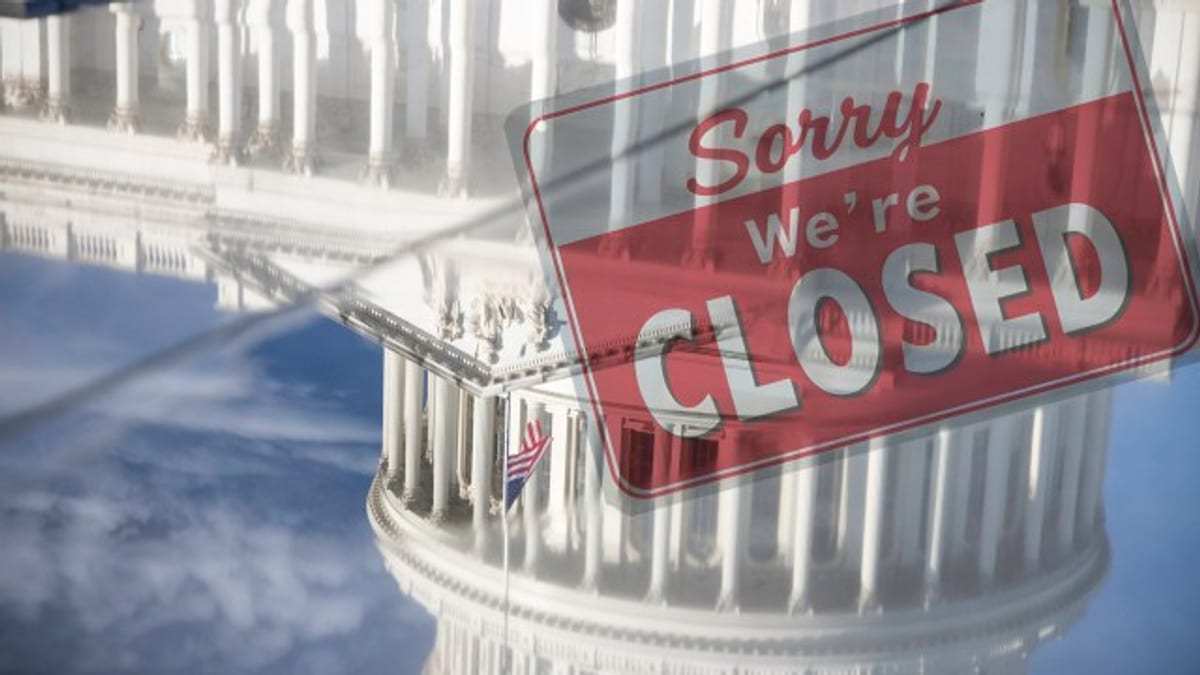
Image by The Hill
What a DHS shutdown actually means for TSA
The current impasse in Washington has left the Department of Homeland Security without full congressional funding since February 14, 2026. Publicly available information shows that Transportation Security Administration officers are among the employees classified as essential, meaning they are required to report for duty even when regular appropriations lapse.
Reports indicate that roughly 50,000 TSA officers nationwide continued working without pay for weeks, before a presidential directive in late March allowed the administration to tap existing funds linked to TSA operations so that screeners could begin receiving paychecks again. Coverage from national outlets describes this as a partial financial reprieve rather than a full resolution, since other DHS components and contractors remain affected.
Despite intense political debate, there has been no move to suspend core security screening at commercial airports. Federal contingency documents and industry guidance describe passenger and baggage screening as functions that remain in operation during shutdowns because they are considered critical to life and safety. The practical effect is that checkpoints stay open, but the system absorbs the shock elsewhere, often in staffing levels, overtime and morale.
At the same time, the shutdown has halted or slowed nonessential programs within DHS, including some training, technology upgrades and long term planning. Aviation groups warn that while travelers mostly feel the impact at the checkpoint in the form of longer lines, the strain behind the scenes on personnel and deferred projects could have longer term consequences if the funding lapse continues.
Myth: “Airports will simply shut down”
One of the most widely shared claims online is that a DHS shutdown automatically forces airports to close. Recent experience suggests a more nuanced picture. According to published coverage of the 2018 to 2019 federal shutdown and the ongoing 2026 dispute, large hubs have kept operating, but some individual security lanes and, in a few cases, entire terminals have temporarily closed when staffing dipped below critical thresholds.
Data from past shutdowns and the current one show that closures so far have been selective. In 2019, several airports consolidated checkpoints or shuttered one terminal while redirecting passengers through others. During the 2026 DHS shutdown, local reports from Houston and Baltimore describe hours long waits and partial checkpoint closures, but flights continued operating, with airlines adjusting schedules and rebooking passengers where needed.
Analysts note that a full closure of a major U.S. airport for staffing reasons would carry sweeping economic and logistical costs, so aviation agencies tend to exhaust other options first, such as consolidating checkpoints, routing passengers through alternative screening areas or prioritizing peak periods. Federal aviation data and testimony submitted to Congress describe these as last resort measures intended to keep the broader national airspace system functioning.
The area of greatest vulnerability appears to be smaller regional airports. Recent local news coverage in states such as New York and Texas highlights warnings that if TSA cannot sustain staffing at low volume facilities, some of those airports could temporarily lose regular passenger screening, forcing travelers to connect through larger hubs farther away.
Fact: Longer lines and delayed flights are already happening
While talk of a complete aviation shutdown may be overstated, the disruption for travelers is real. Reports from major outlets and local stations in late March describe security lines stretching for hours at airports including Baltimore/Washington International and George Bush Intercontinental in Houston. Some checkpoints have operated with only a fraction of normal lanes open, amplifying delays during morning and evening peaks.
Industry groups representing airlines and airports say that prolonged absenteeism among TSA officers has been a key driver. Historical data from the 2018 to 2019 shutdown showed sick call rates for screeners rising several times above normal as weeks without paychecks accumulated. Early tallies from the 2026 shutdown point to similar patterns, even after pay resumed, as staff deal with financial repercussions and burnout.
When lines spill beyond the security area, the effect cascades through the system. Airlines report missed flights, gate hold delays and crews timing out because passengers are slow to reach aircraft. Trade associations for the travel industry point to the 2025 shutdown, when they estimated billions of dollars in lost output tied to aviation delays, as a warning that the current disruption could intensify if the DHS impasse persists into the peak summer season.
Despite the frustration, travel advisors and airport operators continue to describe longer lead times as the most practical short term defense for passengers. Many are recommending that travelers add at least an extra hour to their normal airport arrival time, particularly at large hubs and during early morning departures, while monitoring airport social channels and airline alerts for checkpoint specific advisories.
Myth: “Security is being watered down to keep lines moving”
Another common worry is that TSA, under pressure to move crowds through limited lanes, will dilute screening in ways that compromise safety. Publicly available statements from the agency during this and previous shutdowns emphasize that core security protocols, such as identity verification, baggage X ray screening and advanced imaging for passengers, remain in place regardless of staffing or pay status.
Aviation security specialists who have studied previous funding lapses point out that the screening playbook is designed with redundancy. When staffing is thin, managers may close some lanes to concentrate personnel at others or temporarily limit the availability of extras such as dedicated lines, but the baseline procedures at those active checkpoints do not change. Federal training materials and past court records indicate that deviating from those standards would expose the government to legal and safety risks that far outweigh any time savings.
There is, however, evidence that stress on the workforce can affect performance at the margins. Research drawing on years of delay and incident data suggests that while major aviation security failures remain rare, heavy operational strain can correlate with higher error rates in routine processes. Worker representatives have warned in public letters that repeated shutdown cycles, which leave agents working unpaid for weeks, risk undermining retention and experience levels that are key to catching subtle threats.
For travelers, experts say there is little they can do to influence that systemic risk, but following standard advice, such as arriving early, packing in accordance with TSA rules and being prepared at the checkpoint, can reduce bottlenecks and distractions for officers who are already stretched thin.
How travelers can separate rumor from reality
With images of packed security halls circulating widely, the gap between perception and reality has become a central challenge of the 2026 shutdown. Social platforms tend to amplify the worst single day experiences, while quieter periods or airports with minimal disruption draw little attention. Aviation analysts recommend that travelers rely on a combination of airport specific updates, airline notifications and coverage from established news outlets to gauge conditions, rather than viral posts alone.
Patterns from both the 2018 to 2019 shutdown and the latest data show that impacts vary sharply by location and time of day. Some hubs have reported relatively normal wait times outside of peaks, even as others wrestle with chronic backups. Weather, local staffing levels and airport design all shape how a funding lapse translates into on the ground delays.
Publicly available DHS and industry documents also underscore that shutdowns, while disruptive, do not suspend the overarching security architecture built after September 11. Air marshals, intelligence sharing, watchlist screening and many law enforcement functions continue to operate, even as agencies juggle pay and staffing challenges. For passengers, that means air travel in the United States remains subject to some of the most intensive layered security in the world, albeit under growing strain.
As negotiations in Washington continue, the practical advice for anyone flying in spring 2026 is straightforward: expect inconvenience, but not a collapse of airport security. Travelers who build in extra time, stay informed about their departure airport and remain flexible about connections are better positioned to navigate an aviation system that is stressed, but still functioning.