

Siem Reap is far more than a gateway to Angkor Wat. It is a compact but surprisingly diverse city, stitched together from distinct neighborhoods that each offer a different rhythm of Cambodian life. From the lanes of the Old Town and the neon swirl of Pub Street to quieter residential quarters and riverside districts filled with small galleries and cafes, choosing where to base yourself will shape the way you experience both the city and the temples.
Understanding how Siem Reap is laid out, how it has evolved in recent years, and what each area feels like on the ground will help you design a stay that suits your pace, interests, and budget.
Understanding Modern Siem Reap
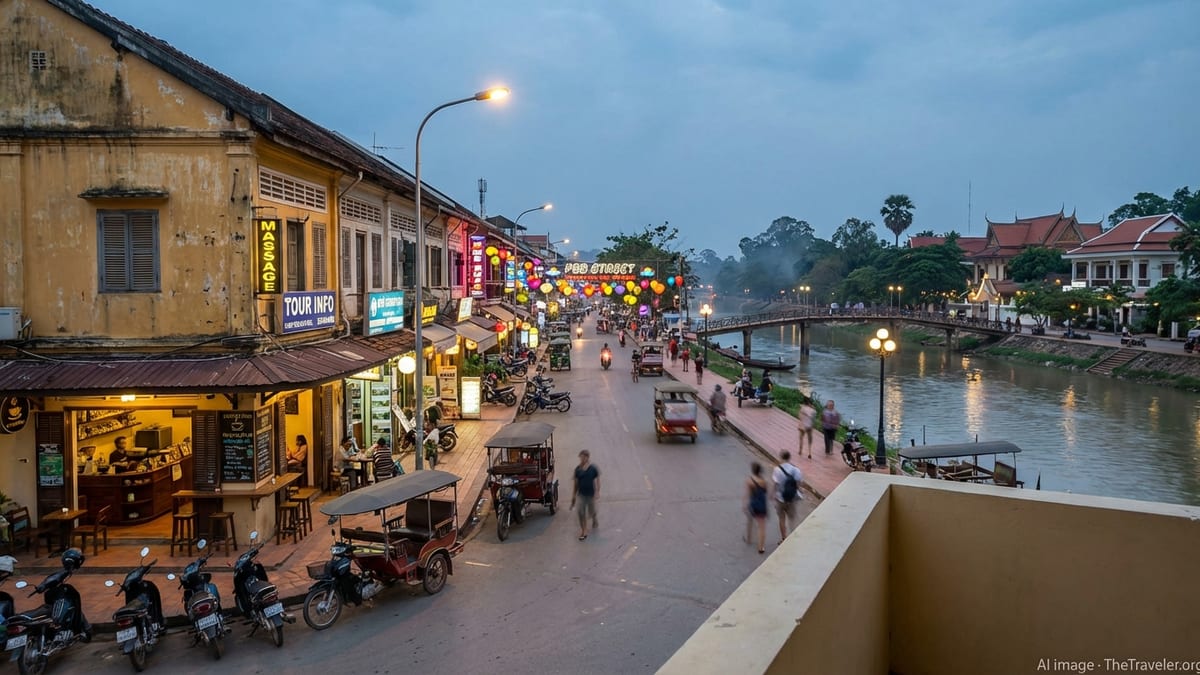
Siem Reap has grown rapidly over the past two decades, propelled by the global fascination with Angkor Archaeological Park and supported by a major expansion in flights and tourism infrastructure. The opening of Siem Reap Angkor International Airport in 2023, around 50 kilometers east of town, shifted the city’s main arrival point out of the urban fringe and turned airport transfers into a mini journey across the countryside before you reach the compact center. The heart of the city, however, still clusters around the Siem Reap River, with most visitors gravitating to a wedge of streets between the Old Market, Pub Street, and Wat Bo area.
Within this relatively small footprint, Siem Reap’s areas have evolved into distinct micro-districts. The Old Market quarter preserves a sense of tradition and commerce, Pub Street concentrates nightlife, Sok San Road and Taphul buzz with guesthouses and tour desks, while parts of Wat Bo and Sala Kamreuk have become leafy, residential-feeling enclaves with boutique hotels and creative cafes. On the outskirts, Road 60 and the highway toward Angkor are lined with large resorts and family attractions, contrasting sharply with the low-rise shophouses of the central grid.
Despite this growth, Siem Reap remains highly walkable in its core and navigable by short tuk tuk rides between neighborhoods. Streets are laid out in a loose pattern along both sides of the river, and most stays cluster within a ten-minute drive of the Old Market. For travelers, the main question is not how to get around, but which area offers the atmosphere they want to slip into at the end of a day in the temples.
As you consider Siem Reap’s various zones, remember that this is still a living Cambodian city beneath the tourism veneer. Pagodas, local markets, and simple noodle shops sit only a couple of streets away from cocktail bars and pool villas. Exploring beyond the obvious hubs rewards visitors with a more nuanced view of how Siem Reap’s residents are adapting to a tourism economy while preserving elements of Khmer culture and everyday life.
Old Town and the Old Market Area
The Old Town, centered on Phsar Chas (the Old Market) and the blocks immediately surrounding it, is the historic and symbolic heart of Siem Reap. Here, compact streets are lined with two-story shophouses, their upper floors shaded by wooden shutters and balconies, while the ground level hosts a mix of souvenir stalls, jewelry shops, massage parlors, and travel agencies. The Old Market itself remains a working city market where you can weave between sections selling fish, vegetables, incense, textiles, and everyday household goods.
Staying around the Old Market puts you at the middle of almost everything. By day, you are steps from the riverfront and a quick stroll from Pub Street, yet the alleys just behind the market can feel surprisingly local in the early morning. Small eateries open for rice porridge and iced coffee while trucks deliver produce and monks collect alms from residents. It is an ideal base if you want a sense of place and do not mind a little urban bustle.
The Old Town also works well for travelers focused on practical convenience. Most major banks and ATMs, pharmacies, SIM card vendors, and tour operators cluster around the market and nearby intersections. Many Angkor tours still use the Old Market area as a common pick up and drop off zone, and tuk tuks are easy to flag at almost any hour. Because the streets here are compact and busy, it can be noisy at night, but the energy dies down faster the farther you move from Pub Street.
Architecturally, the area offers some of the city’s most atmospheric corners. Shophouses with French-era details, shady alleys, and small Chinese shrines appear between more modern facades. While the Old Town has seen heavy commercialization, there are still glimpses of the older Siem Reap in side streets: carpenters working in open-front workshops, families cooking outside, and children cycling to and from school.
Pub Street and the Nightlife Core
Just a short walk from the Old Market lies Pub Street, a cluster of lanes that has become synonymous with Siem Reap nightlife. Illuminated by colorful lanterns and neon signs, this pedestrian-friendly strip is packed with restaurants, bars, and late-night spots that stay open well into the early hours in peak season. It is where travelers converge after sunset to eat, drink, swap temple stories, and, if they wish, stay out until closing time.
For some visitors, staying near Pub Street is the essence of Siem Reap. The convenience is undeniable: most evenings you can simply step outside your guesthouse or hotel and stroll to dinner or a drink without needing a tuk tuk. International cuisine is easy to find, from Khmer tasting menus and Cambodian barbecue to pizzas, burgers, and vegetarian cafes. You will also find rooftop bars, live music venues, and spots advertising cheap draft beer and cocktails, particularly along the main stretch and nearby Alley West.
The trade-off is that Pub Street’s popularity brings noise and crowds. If you choose a hotel directly on the busiest blocks, you should expect music until late, heavy foot traffic, and a party atmosphere that does not appeal to every traveler. Families and early risers heading out for sunrise at Angkor may prefer to position themselves a street or two back or on the far side of the river, where the soundscape softens but access remains easy.
Even if you stay elsewhere, Pub Street is worth visiting to understand how Siem Reap has adapted to tourism. The area has evolved from a handful of bars and cafes into a dense entertainment zone that now includes contemporary restaurants, cocktail lounges run by local and foreign entrepreneurs, and venues showcasing apsara dance and Khmer food in more curated settings. As the city’s dining and nightlife scene matures, some of the most interesting new places now appear just off the main strip, in quieter side lanes where you can enjoy a drink without shouting over the music.
Riverside, Wat Bo, and Sala Kamreuk
Across the Siem Reap River from the Old Market and Pub Street lies one of the city’s most appealing areas: a ribbon of quieter streets stretching from Wat Bo and Wat Damnak temples up and down the riverbanks. Once a mostly residential zone, this side of town has gradually filled with boutique hotels, small guesthouses, and independent cafes that cater to travelers seeking calm within walking distance of the center.
The Wat Bo area, on the east bank opposite the Old Market, is particularly popular with couples and longer-stay visitors who prioritize character over nightlife. Streets here are softer and more shaded, with leafy compounds hiding pools and small gardens behind walls. Morning walks along the river reveal joggers, schoolchildren, and locals visiting pagodas rather than crowds of tourists. Numerous cafes offer specialty coffee, brunch, and vegetarian menus, and a growing number of creative spaces host art shows, workshops, or live acoustic sets.
South of Pub Street, the neighborhood around Wat Damnak and Sala Kamreuk has developed a similar atmosphere. Here, small bridges cross the river, linking side streets dotted with design-focused guesthouses and midrange hotels. It is easy to walk from this area into the Old Market and Pub Street in ten to fifteen minutes, yet at night the sound drops to a hum rather than a roar. The area is also convenient for access to the road leading toward Angkor Wat and the Angkor Ticket Office, which sits several kilometers north of town.
Riverside neighborhoods appeal to travelers who want to blend temple-hopping with a slower routine of coffee shops, yoga classes, and evening strolls. They suit those who enjoy being close to the action without sleeping directly above it. For many, this side of Siem Reap feels like the sweet spot between the city’s tourist core and its lived-in, residential character.
Sok San Road, Taphul, and the Budget Traveler Zones
West and northwest of Pub Street, the districts around Sok San Road and Taphul Road have become strongholds for budget-conscious travelers, solo backpackers, and visitors who prioritize value and social atmosphere. These streets run roughly parallel to each other, filled with guesthouses, small hotels, hostels, tour desks, laundries, and simple eateries that stay open from early breakfast through late dinner.
Sok San Road in particular has earned a reputation as an extension of the nightlife area, but with more laid-back venues and slightly lower prices than the prime blocks of Pub Street. Here you will find casual bars with pool tables, small music venues, and restaurants serving Cambodian dishes alongside international comfort food. The vibe is less polished and more communal than Pub Street, with many businesses run by local families or long-term residents.
Taphul Road and the lanes surrounding it are more utilitarian but very convenient. This area offers a high concentration of midrange hotels, street-food stalls, and small supermarkets. It is also close to the main roads leading out toward the Angkor complex and to the bus station road, which makes pickups for day tours and onward transport straightforward. For visitors planning multiple early temple starts and limited late nights, it can be a sensible and economical base.
The budget traveler zones highlight a different dimension of Siem Reap’s tourism economy. Here, rather than resorts and design hotels, you encounter small businesses competing on service, friendliness, and price. Shared tuk tuk rides, group tours, and hostel-organized activities make it easy to meet other travelers, while the sheer number of options keeps nightly rates competitive across much of the year.
Beyond the Center: Road 60, Resorts, and the Countryside Edge
While most visitors stay within a small radius of the Old Market, Siem Reap’s urban footprint stretches well beyond the central grid. To the north, the main road toward Angkor Archaeological Park is lined with large hotels and resort-style properties that offer expansive gardens, big pools, and more seclusion than you will find closer to Pub Street. These are popular with families, groups, and travelers seeking space and quiet, especially during high season when the center can feel crowded.
Northwest and west of the city core, the area around Road 60 has emerged as a local recreation zone and a base for newer hotels. Road 60 is known among residents for its evening street-food scene and simple amusement setups, including food stalls and makeshift funfair rides when business is strong. Staying near here places you slightly farther from the Old Market, but tuk tuk rides remain short and inexpensive, and you gain faster access to the Angkor Ticket Office and the park entrance roads.
On the southern and eastern edges, development thins quickly into villages, rice fields, and small roads leading to floating villages on the Tonle Sap and to countryside cycling routes. Some eco-lodges and homestays operate in these zones, appealing to travelers who want to wake up to birds and palm trees rather than traffic. These outlying areas trade nightlife and restaurant variety for a closer connection to rural life and slower evenings.
Choosing an out-of-center base is best for travelers who are comfortable relying on tuk tuks or hotel shuttles for almost all movements. You will spend a little more time transiting between your accommodation, the city, and the temples, but in exchange you can enjoy calmer surroundings and, in some cases, more spacious rooms and gardens for the price.
Getting Around: From Airport to Neighborhoods
The relocation of Siem Reap’s main airport to Siem Reap Angkor International Airport has changed the arrival experience significantly. Previously, flights landed just a short hop from town. Now, travelers journey roughly 50 kilometers from the runway across the countryside before reaching the city center. Transfers generally take between 45 minutes and an hour, depending on traffic and the type of transport you choose.
Several options connect the airport to Siem Reap’s neighborhoods. Shared shuttle buses operate on fixed schedules during the day, dropping passengers at selected points in town such as major markets or shopping centers. These shuttles tend to be the most budget-friendly choice for solo travelers and light packers, as long as their operating hours match your flight time. Private transfers by car or minivan, arranged through hotels, tour companies, or dedicated transfer services, offer door-to-door convenience directly to your accommodation in areas like Old Town, Wat Bo, or Sok San Road.
Once you are in the city, getting between neighborhoods is straightforward. Tuk tuks, locally known as remorks, remain the most popular way to travel short distances and to reach Angkor Archaeological Park and other outlying attractions. Fares are usually negotiated in advance, though some drivers use simple digital platforms or hotel-set rates for transparency. Short rides within the central districts are typically inexpensive, and many travelers rely on tuk tuks almost exclusively, walking only within their immediate area.
Bicycles and scooters are also available from rental shops in tourist areas, with helmets strongly recommended. Cycling can be a pleasant way to explore riverside streets and the quieter roads leading south or east into the countryside, although traffic and heat can be challenging at midday. For temple days, many visitors prefer tuk tuks or air-conditioned cars, which can handle longer distances and offer respite from the sun between sites.
Angkor Archaeological Park and How Your Base Affects Your Visit
For most travelers, Angkor Archaeological Park is the central reason to visit Siem Reap. The vast complex lies several kilometers north of the city, connected by well-used roads that carry tuk tuks, taxis, buses, and bicycles to and from the temples each day. The Angkor Ticket Office, located on Road 60 to the northeast of the center, is the mandatory first stop for anyone visiting the park. Tickets cannot be purchased at the temples themselves, so your driver will factor the detour to the ticket office into your first-day itinerary.
Your choice of neighborhood subtly shapes your Angkor experience. Staying in the Old Town, Pub Street, or Sok San Road areas typically means a slightly longer but still manageable tuk tuk ride to the ticket office and onward into the park. Guests based near Road 60, on the northern fringe, or in resort clusters along the Angkor road gain a small time advantage in the morning, as drivers can head more directly toward the ticket counter and temple entrances. Those staying in riverside and Wat Bo areas sit roughly in the middle, balancing easy returns to town with straightforward access to the park.
Recent changes to ticketing procedures and security have aimed to streamline access to Angkor. One-day visitors now encounter a simpler process when purchasing passes, and authorities have reduced the number of roadside checkpoints so that movement between temple areas is less fragmented than before. The core regulations remain consistent: tickets are required for entry and must be carried with you, specific dress codes apply around sacred structures, and certain areas open early or close later to accommodate sunrise and sunset visits.
After a day among the temples, the character of your chosen base becomes particularly important. Travelers who stay near Pub Street can walk straight to dinner, drinks, or massage without another vehicle ride, while those in Wat Bo or Sala Kamreuk return to a quieter, more residential feel. Guests at resorts on the northern edge may retreat to large pools and in-house restaurants, trading evening exploration for relaxation. Considering how you like to end your day is just as important as planning how you will begin it at Angkor Wat before dawn.
The Takeaway
Siem Reap’s charm lies in its variety. Within a small, navigable city, you can experience packed nightlife streets, tranquil riverside lanes, bustling local markets, and near-rural outskirts in a single day. Choosing where to stay is not a matter of right or wrong, but of matching neighborhood character to your own travel style and priorities.
Travelers who want to be in the thick of things, surrounded by cafes, bars, and tour desks, will feel at home around the Old Market, Pub Street, and the busier parts of Sok San Road. Those who prefer atmosphere with a softer edge can cross the river to Wat Bo and Sala Kamreuk, where boutique hotels, creative eateries, and morning quiet define daily life. Families, groups, and resort seekers may look to the roads leading toward Angkor or Road 60, where larger properties and more space create a retreat after temple days.
Thinking of Siem Reap as a patchwork of areas, rather than a single undifferentiated destination, allows you to craft a stay that feels personal. Whether you are here for a quick glimpse of Angkor or a longer immersion in Cambodian culture, understanding the city’s neighborhoods will help you move confidently from airport to hotel, from hotel to temples, and from temples back to the corner of Siem Reap that feels, for a few days, like your own.
FAQ
Q1: Which area is best for first-time visitors to Siem Reap?
The Old Market and Pub Street area suits many first-time visitors because it offers dense concentrations of hotels, restaurants, tour operators, and transport, all within easy walking distance. If you prefer a slightly quieter base but still want to walk into the center in ten to fifteen minutes, consider staying across the river in the Wat Bo or Wat Damnak neighborhoods.
Q2: Is staying near Pub Street too noisy?
Hotels directly on Pub Street and its busiest lanes can be noisy until late at night, especially during high season. If you are sensitive to sound or planning early starts for sunrise at Angkor, choose accommodation one or two streets back, or across the river in Wat Bo, where you can still reach the nightlife quickly but sleep in a calmer environment.
Q3: How long does it take to get from the new airport to central Siem Reap?
Transfers from Siem Reap Angkor International Airport to central neighborhoods such as the Old Market, Pub Street, or Wat Bo generally take between 45 minutes and one hour. Travel time depends on traffic, weather, and your chosen mode of transport, with private transfers often slightly faster than shared shuttles that make multiple stops.
Q4: Do I need to stay close to Angkor Wat to visit the temples easily?
No. Almost all visitors stay in Siem Reap city rather than near the temples themselves. Tuk tuks, cars, and tour buses connect the main neighborhoods to Angkor Archaeological Park in a relatively short time, and your driver will factor in a stop at the Angkor Ticket Office on the way. The difference in travel time between central districts is modest, so neighborhood atmosphere is usually a more important factor than distance.
Q5: Is it safe to walk around Siem Reap’s central areas at night?
The main tourist areas, including the Old Market, Pub Street, Sok San Road, and the nearby riverside, see regular foot traffic into the evening and are generally considered safe for pedestrians. Normal city precautions apply: keep valuables secure, avoid unlit side streets late at night, and use registered tuk tuks or reputable drivers when moving between neighborhoods after dark.
Q6: Which neighborhood is best for families with children?
Families often favor resort areas along the road toward Angkor or near Road 60, where hotels offer larger pools, gardens, and family-friendly facilities. That said, many midrange hotels in Wat Bo and Taphul also cater well to families, combining quieter surroundings with convenient access to central restaurants and services.
Q7: Can I rely on tuk tuks to get everywhere, or should I rent a scooter?
Most visitors rely entirely on tuk tuks for moving between their hotel, the city center, and Angkor Archaeological Park. Drivers are easy to find in all main neighborhoods, fares are negotiable and usually reasonable, and you avoid the risks of navigating unfamiliar traffic on a scooter. Scooter rental is available but best reserved for confident riders used to Southeast Asian road conditions.
Q8: Where should I stay if I want a more local, less touristy feel?
For a more local atmosphere within reach of the center, look at the quieter parts of Wat Bo, Sala Kamreuk, or residential streets south and east of the river. These areas mix guesthouses and small hotels with family homes, pagodas, and local eateries, giving you a closer view of everyday life while still keeping tuk tuk rides to the Old Market or Pub Street short.
Q9: Is it better to stay near the Old Market or on the riverside?
The Old Market area is ideal if you prioritize immediate access to markets, banks, and nightlife, and do not mind a busier, more commercial feel. The riverside and Wat Bo side of the city trade some of that intensity for more trees, calmer streets, and a growing collection of cafes and boutique accommodations. Many visitors consider the riverside a better fit for longer stays or slower-paced trips.
Q10: How far in advance should I book accommodation in Siem Reap?
During peak travel periods, especially the cooler dry season from roughly November to February, it is sensible to book popular hotels and boutique properties several weeks in advance, especially in high-demand areas like Wat Bo or near Pub Street. In shoulder and low seasons, there is usually more flexibility, and budget travelers may find last-minute deals in zones such as Sok San Road and Taphul.