

More news on this day
Silversea Cruises’ Silver Spirit is returning to European waters for an expanded Mediterranean and Northern Europe season following a refurbishment that emphasizes new and reimagined dining venues, underscoring renewed momentum for cruise tourism across the region.
Get the latest news straight to your inbox!
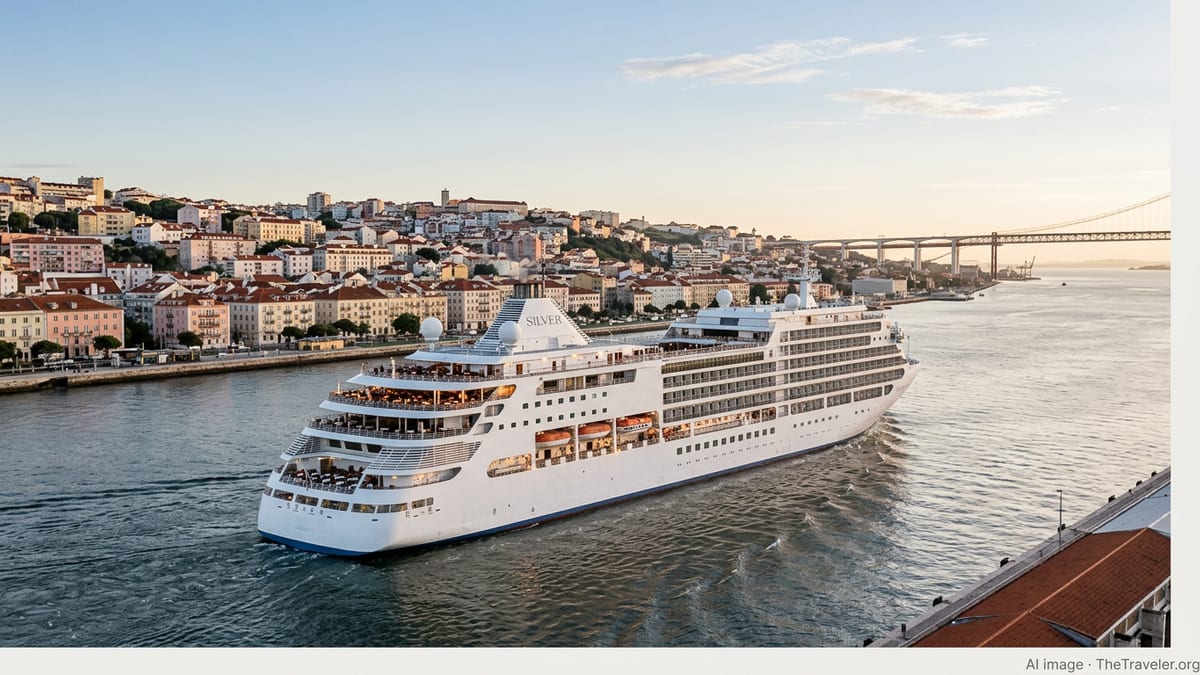
Refurbished Silver Spirit Sets Course for Key European Routes
According to recently published deployment calendars and voyage collections, Silver Spirit is scheduled to operate an intensive program across the Mediterranean and Northern Europe, with sailings built around culturally rich ports such as Lisbon, Barcelona, Southampton and classic British Isles and Atlantic coast calls. Publicly available itinerary information for 2025 and 2026 highlights an emphasis on port‑dense routes that combine marquee cities with smaller destinations known for food, wine and heritage experiences.
The renewed deployment comes as cruise capacity in Europe continues to scale back toward and, in some markets, beyond pre‑pandemic levels. Industry reports indicate that premium and luxury brands are leaning into longer itineraries and destination‑driven voyages, using upgraded ships like Silver Spirit as flagships for a more experiential style of European cruising.
Silver Spirit’s European season is positioned to benefit from this trend. The ship’s size, carrying fewer than 700 guests, allows access to smaller harbors that are increasingly sought after by travelers looking to avoid congestion while still enjoying the convenience of a deep‑water cruise port. The refreshed onboard product is being marketed as a complement to shore‑side culinary and cultural experiences rather than a self‑contained resort at sea.
New Dining Venues Anchor Onboard Upgrades
While Silversea has not released a full technical breakdown of every dry‑dock intervention, published coverage and marketing materials emphasize that Silver Spirit’s latest upgrade cycle centers on dining and social spaces. The ship’s collection of restaurants and casual venues has been reshaped in line with the brand’s broader focus on diversified, small‑scale culinary settings and open‑seating dining.
New or reimagined venues are positioned to showcase regional ingredients, from Mediterranean seafood and olive oils to Northern European seasonal produce. The culinary program is expected to integrate stronger links between shore excursions and onboard menus, including port‑inspired dishes and wine lists that spotlight regional appellations encountered during the voyage. This approach mirrors wider luxury cruise trends, where dining is used as a narrative thread that connects days ashore with evenings on board.
In addition to specialty venues, the refurbishment is understood to have refined casual and indoor‑outdoor spaces, supporting all‑day grazing and late‑evening bites that align with European dining rhythms. Publicly available descriptions suggest an emphasis on lighter, contemporary design, expanded al fresco seating where possible, and bar concepts tied to both classic cocktails and local flavors.
Mediterranean Season Targets Culinary and Culture‑Led Demand
Silver Spirit’s Mediterranean program is slated to cover established cruise gateways such as Barcelona, Civitavecchia for Rome and Athens, alongside smaller ports in Spain, France, Italy and Portugal that are known for food‑forward shore excursions. Recent voyage calendars show sequences linking wine regions, coastal cities and historic towns into port‑intensive itineraries of around 7 to 12 nights.
Travel industry analysis indicates that Mediterranean cruise demand has rebounded strongly, with particular resilience in higher‑yield segments where travelers are prioritizing destination depth, gastronomy and flexible dining over sheer ship size or onboard attractions. Silver Spirit’s refreshed venues position the ship to compete directly in this space, acting as an extension of the culinary experiences found in markets, tapas bars and waterfront trattorias ashore.
Tourism boards and local operators around key embarkation ports such as Lisbon and Barcelona have been highlighting the economic value of cruise calls that bring smaller, higher‑spend passenger cohorts. Ships like Silver Spirit, with an upgraded dining product and longer port days, are seen as aligned with policies that favor sustainable visitor flows and encourage spending at local restaurants, wineries and artisan producers.
Northern Europe and British Isles Itineraries Reinforce Regional Growth
Beyond the Mediterranean, Silver Spirit is scheduled to operate a series of Northern Europe and British Isles voyages that trace Atlantic and North Sea coasts, including calls in Portugal, Spain, France, Ireland and the United Kingdom. Timetables shared in voyage collection documents point to routes combining city stays with smaller ports such as Guernsey and coastal towns in Brittany and northern Spain.
These itineraries tap into a broader shift toward cooler‑climate cruising during the European summer, as travelers look for alternatives to peak‑season Mediterranean heat. Northern Europe has emerged as one of the fastest‑growing regions for premium cruise lines, and the deployment of a newly refurbished ship with upgraded dining options reflects confidence in sustained demand.
On these routes, the culinary concept extends beyond traditional Mediterranean flavors to incorporate Atlantic seafood, regional cheeses and farm‑to‑table ingredients from rural hinterlands. Shore excursions such as market visits, coastal hikes followed by pub lunches, and tastings at local producers are being positioned as natural companions to the ship’s onboard menus, reinforcing the link between regional terroir and the dining experience at sea.
Dining‑Led Investments Signal Competitive Shift in European Cruising
Analysts of the cruise sector note that investment in new dining venues and culinary programming has become a key differentiator in the European market, as major brands deploy hardware across overlapping itineraries. Silver Spirit’s refurbishment is being viewed within this context as part of a wider race to refresh mid‑sized ships with contemporary restaurants, flexible seating and experiences that can be marketed as both luxurious and locally grounded.
Published commentary on European cruise trends points to travelers placing greater weight on food quality, variety and authenticity when choosing between itineraries that may otherwise appear similar. Lines operating in the Mediterranean and Northern Europe are responding with chef partnerships, rotating menus and closer collaboration with regional suppliers, as well as more intimate venues that resemble high‑end urban restaurants rather than traditional main dining rooms.
For destinations, the renewed focus on gastronomy at sea is a double‑edged development. On one hand, enhanced onboard offerings encourage longer stays on ships and higher overall passenger satisfaction. On the other, port authorities and local businesses are seeking to ensure that visiting cruise guests still spend time and money in shore‑side bars, cafes and markets. Silver Spirit’s deployment, with its emphasis on port‑rich routes and regionally inspired dining, will be a test case for how this balance can be managed across the Mediterranean and Northern Europe in the coming seasons.