

More news on this day
Silversea has wrapped what reports describe as a record 2024–2025 Antarctica expedition season, underscoring the rapid growth of ultra-luxury travel to the White Continent even as environmental concerns intensify.
Get the latest news straight to your inbox!
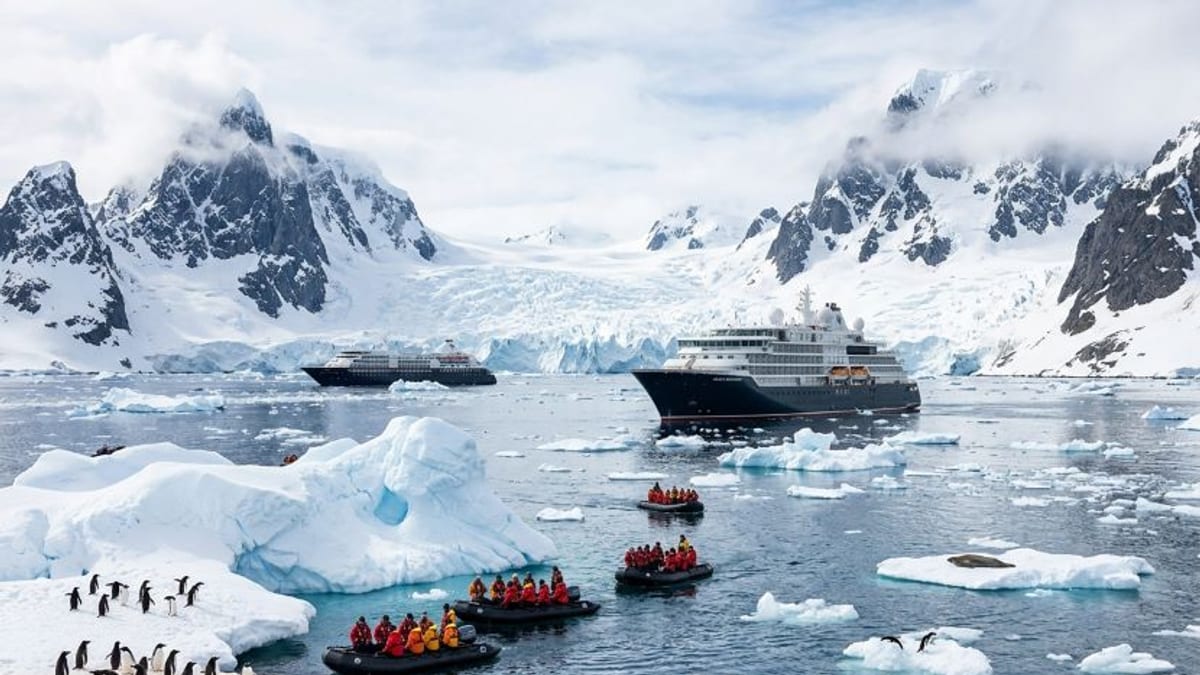
Image by International Cruise News: Latest Cruise Line & Cruise Ship News
A 34-Voyage Push to the End of the Earth
Publicly available cruise industry data indicates that Silversea operated 34 Antarctica voyages between late October 2024 and the end of March 2025, using three expedition vessels: Silver Endeavour, Silver Cloud and Silver Wind. The program combined classic peninsula itineraries with longer journeys that linked Antarctica to South Georgia and the Falkland Islands, positioning the line as one of the most active luxury operators in the region.
The season formed part of a wider expansion of polar expedition cruising, with industry reports noting a double-digit rise in passenger numbers to Antarctica in recent years. Within that broader trend, Silversea has leaned on its small-ship model, typically carrying a few hundred guests or fewer, to appeal to travelers seeking remote landscapes, close-up wildlife encounters and a high level of onboard comfort.
The 2024–2025 schedule followed a dedicated scouting voyage carried out earlier in the decade, during which Silversea charted new sites across the Antarctic Peninsula and nearby islands. That groundwork enabled the company to diversify its landings and zodiac excursions during the most recent season, marketing the program as offering both variety and a sense of exploration within the constraints of strict regional regulations.
While the line has not publicly disclosed exact passenger totals for the season, the combination of additional departure dates, multiple ships and expanded landing options has been described in cruise trade coverage as a record for the company in Antarctica, both in terms of volume and operational reach.
New Landing Sites and a High Staff-to-Guest Ratio
Silversea’s recent scouting mission identified more than 20 potential new landing sites across the Antarctic Peninsula and surrounding archipelagos, according to company statements cited in trade publications. These locations, vetted under the requirements of the Antarctic Treaty system and the International Association of Antarctica Tour Operators, were gradually incorporated into itineraries and helped differentiate the 2024–2025 season.
The new sites allowed expedition leaders to adapt daily plans to shifting ice and weather conditions, an increasingly important factor in a region where wind, sea state and pack ice can alter access at short notice. Reports indicate that having additional options improved the chances of safe landings while also spreading visitor traffic across a wider geographic area.
Another defining feature of the season was the size and composition of the expedition teams. Silversea’s Antarctica voyages typically carry up to several dozen specialists, including naturalists, historians and polar guides, on ships with guest counts that are modest by mainstream cruise standards. Publicly available information from the line’s marketing materials suggests one of the highest expedition staff-to-guest ratios in the luxury segment.
This staffing approach supported frequent zodiac operations, guided hikes and onboard briefings that framed wildlife sightings and glacial scenery within a wider scientific and historical context. It also played a role in managing strict landing quotas and biosecurity protocols, which are designed to protect fragile habitats from the growing number of visitors.
Infrastructure Investment and the World’s Southernmost Hotel
Alongside the sea-based program, Silversea is investing in shoreside infrastructure that is set to reshape future Antarctica operations. Travel industry reports describe a new hospitality project near the Chilean gateway of Puerto Williams that the company has promoted as the world’s southernmost hotel, intended to support its fly-cruise model.
The property is designed to streamline the complex logistics of polar travel by giving guests a dedicated base before and after their expeditions. The fly-cruise concept typically combines charter flights from mainland hubs to southern airports or airstrips with direct embarkation onto expedition ships, reducing the time spent crossing often-rough seas.
For Silversea, the new hotel is expected to serve multiple functions: staging point, acclimatization hub and brand showcase. Public information indicates that the facility will provide pre-cruise briefings, gear checks and wellness services, as well as contingency capacity if flights or sailings are disrupted by weather. It also signals a longer-term commitment to polar operations at a time when infrastructure in remote regions is becoming a competitive differentiator.
The development highlights how luxury cruise brands are extending their reach beyond ships into destination infrastructure, a trend that is particularly visible in frontier regions where existing accommodation and services are limited.
Rising Demand Meets Environmental Scrutiny
The close of Silversea’s season comes against a backdrop of rapid growth in Antarctica tourism. Recent travel and environmental reporting notes that overall visitor numbers to the continent have climbed sharply over the past decade, with expedition cruising accounting for a significant share of that increase.
This expansion has intensified debate over the environmental footprint of luxury voyages in one of the planet’s most fragile ecosystems. Studies cited in mainstream outlets have highlighted the relatively high emissions associated with cruise travel, particularly in polar regions where ships consume additional energy for heating and ice-class operations.
Environmental organizations and some researchers have raised concerns about black carbon emissions, underwater noise and the risk of introducing non-native species through poorly cleaned gear or ballast water. In response, operators such as Silversea have emphasized compliance with international rules, use of smaller expedition ships with limited guest capacity and strict biosecurity procedures, including boot washing, controlled landing numbers and mandatory briefings.
Industry analysts suggest the company’s record Antarctica season reflects both a strong appetite for once-in-a-lifetime polar experiences and a broader shift in the high-end market toward remote, experience-led travel. At the same time, calls for tighter controls on ship size, fuel standards and visitor caps indicate that future growth in luxury Antarctica cruising is likely to be governed as much by environmental policy as by consumer demand.