

More news on this day
Singapore Airlines has postponed the launch of its planned new route between Singapore and Riyadh, pushing back what was to be a key expansion into the Saudi market amid heightened tensions and airspace disruptions across the Middle East.
Get the latest news straight to your inbox!
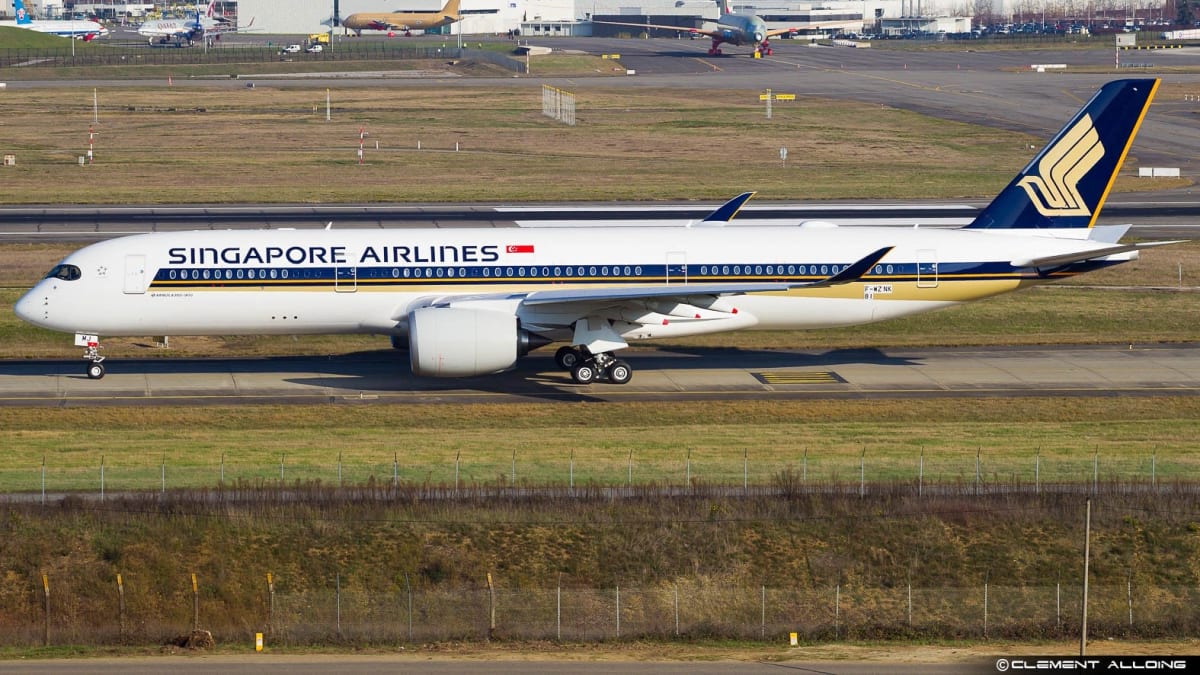
Riyadh Debut Pushed Back Amid Regional Volatility
The new service from Singapore Changi Airport to King Khalid International Airport in Riyadh was originally scheduled to begin on 2 June 2026, according to industry coverage. The route was promoted as a direct link between Singapore and the Saudi capital, timed to capture growing business and leisure demand between Southeast Asia and the Gulf.
Recent reporting indicates that the airline has now delayed the launch, with no revised start date publicly listed in schedules tracked by aviation outlets. The postponement follows weeks of turbulence in Middle East airspace, where shifting risk assessments and evolving conflict dynamics have forced carriers to rethink routings and capacity.
Singapore Airlines has not published a detailed public statement specific to the Riyadh delay, but the move aligns with a broader pattern of cautious adjustments to its Middle East network. Analysts note that even a single new long haul destination requires stable overflight permissions, predictable routings and confidence in demand, all of which are affected when geopolitical conditions deteriorate.
The Riyadh launch had been viewed as a significant symbolic step into a fast changing Saudi market that is opening up to tourism and expanding its aviation ambitions. A delay of this kind signals how quickly route planning can be upended when regional risks escalate.
Wider Middle East Network Under Strain
The decision to postpone Riyadh comes on the heels of continued suspensions across parts of Singapore Airlines’ Middle East network. Publicly available flight information shows that services linking Singapore with major regional hubs, including Dubai and Jeddah, have been halted or curtailed at various points in recent weeks as the conflict linked to Iran disrupts established corridors.
Aviation industry coverage notes that carriers serving the Gulf and surrounding region have been contending with periodic airspace closures and rerouting requirements. These changes can lengthen flight times, add fuel costs and complicate crew planning. For a premium carrier whose brand is closely tied to reliability, temporary suspensions or delayed launches may be preferable to operating under persistent uncertainty.
Reports highlight that Singapore Airlines has been reallocating wide body aircraft capacity to more stable markets while conditions in the Middle East remain volatile. In some instances, long haul aircraft initially earmarked for services through the region have been redeployed to high demand routes in Asia and Australia, helping to sustain network connectivity even as individual city pairs are paused.
While the Middle East remains an important connecting region for global aviation, the latest disruptions underscore its vulnerability to rapid shifts in security dynamics. The delayed Riyadh launch illustrates how these pressures can filter down from broad airspace restrictions to specific route level decisions.
Network Strategy Shifts to More Resilient Markets
Even as the Riyadh debut is pushed back, Singapore Airlines continues to grow its presence in markets where operational conditions are more predictable. Recent updates from airports and aviation authorities show the carrier preparing to ramp up services to key destinations in China from March 2026, including expanded access to cities that had limited international links in previous years.
Separately, announcements from Australian and Singaporean sources describe plans for Singapore Airlines to operate a daily service to the new Western Sydney International Airport when it opens for commercial traffic. The route is set to complement existing flights to Sydney’s primary airport, giving the airline a stronger foothold in one of its most important long haul markets.
In North Asia, the airline is also working with local airport operators to restore or increase frequencies on selected routes, leveraging strong demand from both leisure and business travelers. These moves indicate a deliberate emphasis on markets where demand recovery is durable and operational risk is comparatively lower than in conflict affected regions.
By extending capacity into China and Australia while delaying the start of Riyadh flights, Singapore Airlines appears to be prioritizing network resilience and revenue visibility. Industry observers suggest this measured approach may help buffer the financial impact of route suspensions elsewhere.
Passenger Impact and Booking Considerations
The delay to the Riyadh launch primarily affects customers who had planned to travel on or soon after the originally advertised start date in June 2026. Aviation tracking platforms show that the inaugural flight and its early rotations have been withdrawn from active schedules, indicating that affected passengers are being shifted to alternative arrangements or offered changes through standard channels.
Public guidance from airlines in similar situations typically encourages customers to monitor booking management tools and email notifications for the latest flight status. In practice, travelers bound for Saudi Arabia from Singapore now have to connect via other regional hubs served by different carriers, potentially adding travel time or requiring changes to existing itineraries.
Industry commentary notes that the episode is another reminder of the importance of flexible booking conditions on routes that traverse politically sensitive regions. Many frequent flyers have increasingly opted for fares that allow date changes at modest cost, viewing this as a hedge against sudden schedule shifts.
For corporate travel managers, the Riyadh delay may prompt a temporary rebalancing of preferred carrier lists and routings into Saudi Arabia, particularly for time critical business trips. Some may channel demand through alternative gateways until Singapore Airlines confirms a new start date for its own nonstop services.
Implications for Singapore’s Role as a Hub
Singapore has long positioned Changi Airport as a stable and reliable hub connecting Southeast Asia with the Middle East, Europe and beyond. The postponement of the Riyadh route adds a note of caution to that narrative, illustrating how even well managed hubs cannot fully insulate themselves from external geopolitical shocks.
At the same time, Singapore’s aviation ecosystem continues to adapt. Authorities are advancing plans for infrastructure upgrades and sustainability initiatives, including a future levy to support sustainable aviation fuels. These policies are intended to secure Changi’s competitiveness over the long term, even as specific city pairs become more challenging to operate.
Observers point out that global airlines routinely delay or adjust new route launches in response to changing risk assessments. In that context, the Riyadh postponement may be viewed less as a retreat from the Middle East and more as a tactical pause until conditions improve.
When the Singapore to Riyadh service eventually begins, it is expected to slot into a broader strategy that balances growth ambitions with risk management across the carrier’s long haul network. For now, the delay underscores the degree to which route plans remain sensitive to events far beyond airport terminals and booking systems.