

More news on this day
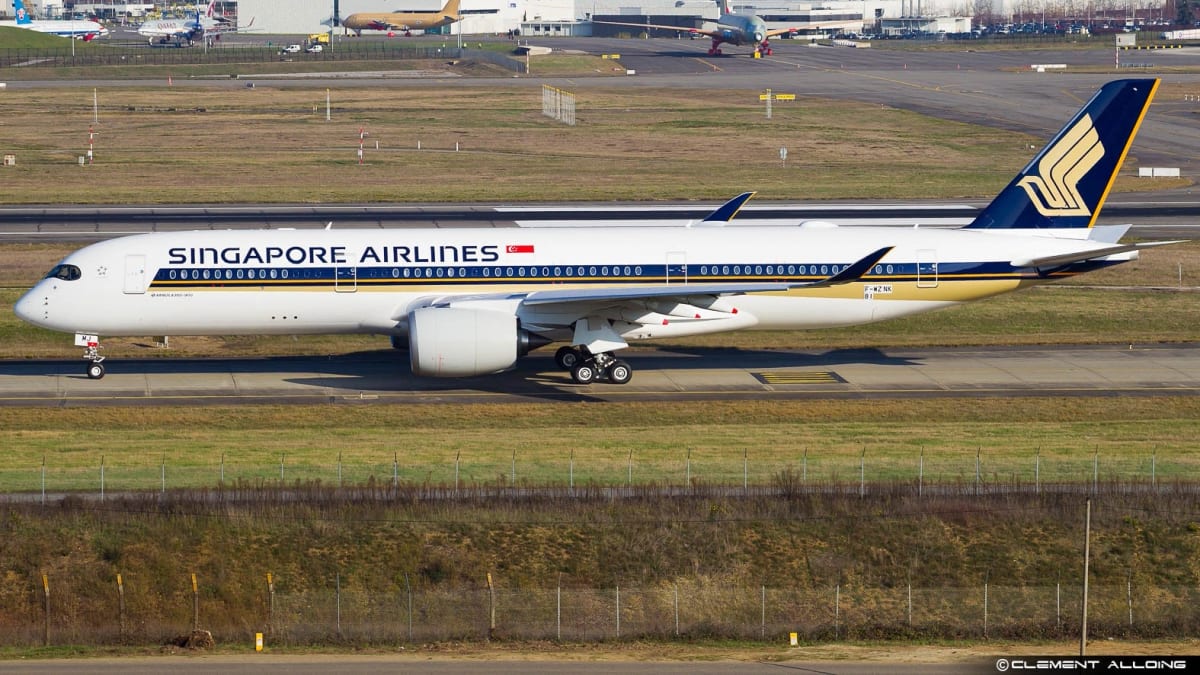
Singapore Airlines has postponed the launch of its planned flights to Western Sydney International Airport, delaying what was expected to be one of the first major long haul links at the new Australian gateway and prompting uncertainty for travelers who had been eyeing the route for late 2026.
Get the latest news straight to your inbox!
A Flagship Route Put on Hold
Publicly available information on Western Sydney International Airport shows that Singapore Airlines had been slated to become the first foreign carrier to serve the new hub, with a daily service from Changi Airport originally targeted to begin in late November 2026. The flight was widely seen as a symbolic vote of confidence in the greenfield airport and a key addition to Singapore Airlines’ already dense Australia network.
Recent updates to scheduling data and industry reporting now indicate that the inaugural Singapore to Western Sydney service has been pushed back, with the route no longer appearing in forward timetables as initially planned. The decision effectively removes one of the earliest intercontinental links that had been marketed around the airport’s opening timeline.
For Singapore Airlines, the delayed launch touches on a strategically important market. Greater Sydney is already one of the carrier’s largest long haul destinations, and the planned Western Sydney operation was positioned to complement existing flights into Sydney Kingsford Smith Airport rather than replace them, offering new departure times and more capacity during peak travel periods.
At the same time, Western Sydney International has been promoted as a curfew free facility that would allow late night departures and arrivals that are difficult to schedule at the existing Sydney airport. The postponement of the airline’s first planned route out of the new hub therefore draws fresh attention to the pace at which carriers are willing to commit to the project.
Airport Readiness and Operational Considerations
The delay comes against the backdrop of a complex infrastructure rollout at Western Sydney International, which is still under construction and working toward an opening date in the second half of the decade. Project timelines and staged commissioning of terminals, runways and ground transport links have been closely watched by airlines assessing when to launch new services.
According to publicly available government and airport documentation, Western Sydney is being developed with long haul widebody operations in mind, including aircraft such as the Airbus A350 that Singapore Airlines had been expected to deploy. However, aligning the completion of facilities, certification milestones and airline fleet plans has proven challenging as the project moves from construction to pre operational testing.
Industry analysts note that airlines typically build in buffers around new airport openings, especially when committing a long haul aircraft and crew to a daily route. Any uncertainty about the precise start date of operations, ground handling readiness or air traffic procedures can prompt carriers to defer a launch rather than risk repeated schedule changes and passenger disruption.
By delaying the start of Western Sydney flights, Singapore Airlines appears to be prioritizing operational reliability and schedule clarity. The carrier has historically been cautious about major route debuts from new or significantly expanded airports, often timing entry to coincide with a period when facilities are fully tested and commercial demand is clearer.
Impacts for Travelers and the Sydney Market
For travelers, the postponed launch removes a highly anticipated new option between Singapore and the western suburbs of Australia’s largest city. The planned service would have offered an alternative to Sydney’s existing airport for passengers living in rapidly growing corridors such as Parramatta, Penrith and the Blue Mountains, reducing surface travel times to the terminal.
Passengers who had been tracking advance sales for the Western Sydney route will now likely continue to rely on flights into Sydney Kingsford Smith, connecting via ground transport to reach western parts of the metropolis. While overall Singapore to Sydney capacity remains substantial, the lack of a second airport option limits schedule variety and underscores how dependent international travelers remain on the existing facility.
Travel agencies and corporate travel planners that had been preparing to shift some traffic to Western Sydney may also need to revisit their strategies. Many had expected the new route to become attractive for time sensitive business travelers and for freight forwarders seeking faster access to logistics hubs in western Sydney, particularly in the manufacturing and e commerce sectors clustered around the new airport precinct.
In the leisure segment, the delayed start could influence how travelers structure itineraries that combine Sydney with Southeast Asia and beyond. Singapore Airlines frequently sells Sydney bound itineraries that connect through Changi to Europe, India and North Asia, and the new airport would have provided additional one stop options for residents of western Sydney booking complex long haul trips.
Network Strategy and Fleet Allocation
The decision to push back the Western Sydney launch also fits into a broader pattern of careful network management by Singapore Airlines as it balances aircraft deliveries, cabin refits and demand recovery across regions. The airline is in the midst of renewing parts of its widebody fleet and introducing updated premium cabins on long haul aircraft, which can affect when and where new routes are opened.
Analysts who track the carrier’s schedules point out that a daily long haul service requires a significant aircraft and crew commitment, particularly for a route that was expected to leverage late night operations in both directions. Deferring the Western Sydney launch may allow Singapore Airlines to deploy aircraft to other routes where demand is currently more visible or yields are stronger.
The airline has recently focused on strengthening established long haul destinations and selectively adding frequencies on high performing city pairs. Within that strategy, a brand new airport with evolving timelines presents more risk than an additional daily flight into an existing, fully matured gateway, even if long term growth prospects in Western Sydney are strong.
From a branding perspective, the delayed start means Singapore Airlines will not be able to showcase itself as prominently at Western Sydney’s opening as initially envisaged. However, the carrier retains the option to enter the airport at a later stage, once operational parameters are fully proven and its own fleet planning cycle aligns more comfortably with the route.
What Comes Next for Western Sydney International
The postponement of Singapore Airlines’ new flights does not remove Western Sydney International from long term airline planning, but it highlights the cautious approach that major full service carriers are taking as the airport approaches its opening window. Other airlines that had signaled interest in the hub are also watching construction progress, regulatory approvals and projected demand patterns before locking in specific launch dates.
For the airport authority and government stakeholders, the development reinforces the importance of clear communication about milestones, trial operations and passenger access infrastructure. A compelling case for airlines will depend not only on runway and terminal readiness but also on road and rail links that make the airport competitive with established gateways in terms of total journey time.
Travel industry observers note that new large scale airports often experience a staggered ramp up, with some anchor airlines arriving later than first announced. If Western Sydney follows this pattern, Singapore Airlines’ delayed debut could be seen as part of a broader, phased expansion of services rather than a setback for the project itself.
In the meantime, the shift underscores how sensitive new long haul launches are to both local infrastructure timetables and global fleet constraints. For travelers, it serves as a reminder to monitor booking details closely when planning trips tied to new airports or inaugural routes, as launch dates can change even for flagship services.