

More news on this day
April 2026 is turning into one of the most turbulent months for Asia’s aviation network since the pandemic recovery period, as a tangle of severe weather, airspace detours and capacity constraints sends shockwaves through schedules and pulls Singapore Airlines into a widening web of delays, cancellations and last minute rebookings.
Get the latest news straight to your inbox!
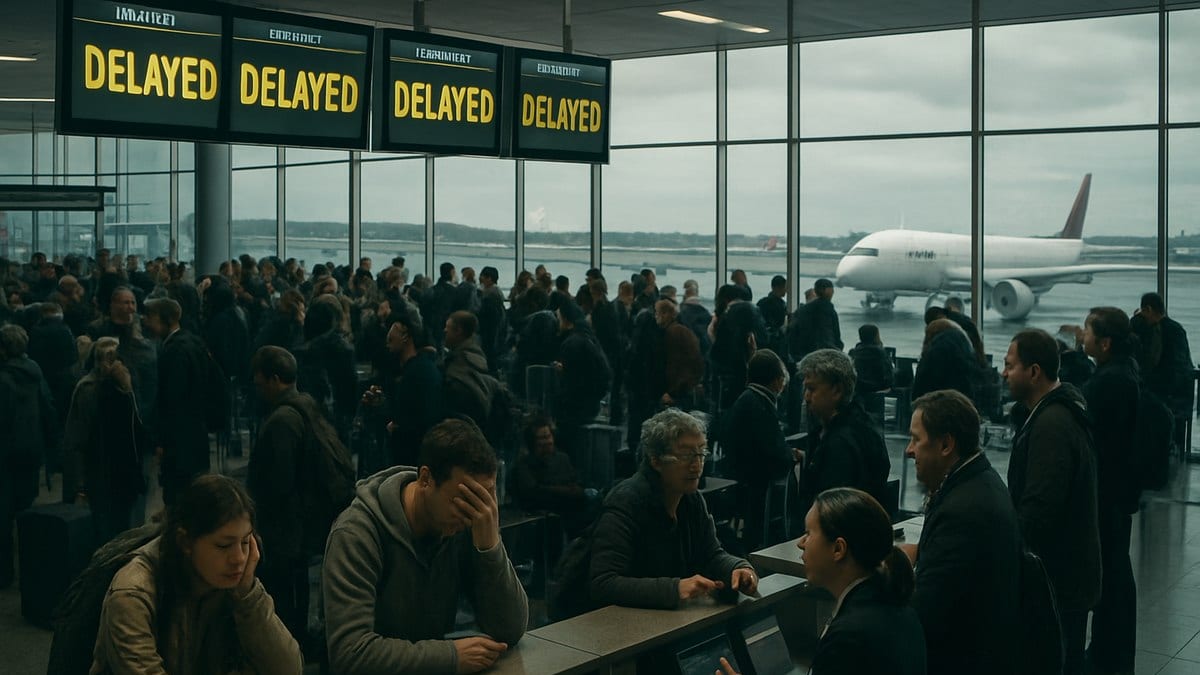
Disruptions Spread Across Key Asian Hubs
Publicly available flight tracking data and regional media coverage for early and mid April point to rolling disruption across major hubs including Singapore, Tokyo, Hong Kong, Seoul, Shanghai and Dubai. Reports indicate that on several peak days more than 500 flights have been cancelled and thousands more delayed across Asia, with knock on effects radiating through long haul connections to Europe, the Middle East and North America.
According to compiled aviation statistics for the first ten days of April, cancellations and delays have been concentrated at high volume gateways that sit astride busy transcontinental corridors. As airlines add extra flight time to route around closed or restricted airspace over parts of the Middle East, any fresh bout of bad weather, crew shortages or airport congestion is quickly translating into missed connections and rolling schedule changes.
Earlier coverage from regional travel outlets already highlighted an “Asia flight crisis” in late March, when hundreds of flights were cancelled in a single day. That strain has spilled into April, coinciding with seasonal storms in parts of East and Southeast Asia and continuing bottlenecks in refuelling and turnaround capacity at some airports.
In this environment, even carriers with strong operational reputations are feeling the strain. Singapore Changi Airport has largely kept its infrastructure running smoothly, but its status as a diversion hub and connection point means that any upstream disruption elsewhere in Asia is now more likely to show up on departure boards in Singapore.
Singapore Airlines Faces Knock On Cancellations and Tight Capacity
Singapore Airlines entered April with a pre announced schedule of capacity reductions on selected routes, particularly services touching Africa and West Asia. A series of carrier notices issued in recent weeks list repeated cancellations on certain long haul flights through late April, reflecting a broader push to trim frequencies in weaker or more volatile markets while fuel prices remain elevated.
Those structural cuts are now overlapping with the rolling irregular operations sweeping across Asia. Travel industry reports this weekend describe Singapore Airlines among the full service carriers caught up in the latest wave of cancellations and long delays, alongside Emirates, Qatar Airways, Cathay Pacific, China Eastern, IndiGo, Batik Air and Etihad. Passengers connecting through Singapore on multi sector itineraries are reporting missed onward flights and rebookings onto later departures as the airline works within a tighter pool of available aircraft and crew.
Consumer posts and booking data suggest that some Singapore Airlines flights serving Europe and the Middle East have been periodically rerouted or cancelled since late March as operators adapt to changes in airspace access. While schedules remain more stable on core trunk routes within Asia Pacific, the ripple effects of cancelled segments to and from West Asia are making it harder to recover quickly when weather or congestion disrupts operations elsewhere in the network.
At the same time, publicly available financial commentary indicates that Singapore Airlines has recently faced pressure on profitability, prompting a closer look at capacity allocation and route performance. With demand remaining broadly robust but costs rising, particularly for fuel, the airline has less slack in its system to absorb simultaneous shocks across multiple regions.
Weather, Airspace Detours and Fuel Costs Drive the Turmoil
Several overlapping forces are pushing Asia’s aviation system into a more fragile state this April. Meteorological agencies across the region have flagged episodes of heavy rain, storms and turbulence along key corridors, while volcanic activity in parts of Indonesia has periodically forced the rerouting or temporary suspension of flights into popular leisure destinations such as Bali.
At the same time, airspace closures and restrictions linked to geopolitical tensions in West Asia are continuing to reshape long haul routing between Asia, Europe and parts of Africa. Industry analyses published this week describe significant detours adding time and fuel burn to many flights, with some carriers suspending nonstop links and shifting connecting flows through alternative hubs, including Singapore.
Fuel markets remain another pressure point. Briefings from global airline associations in Singapore in early April have highlighted the impact of the latest oil price spike on carrier cost bases. While aviation bodies stress that the industry is “nowhere near” a crisis on the scale of the pandemic, higher fuel bills are limiting the ability of airlines to operate extra sections or maintain lightly loaded flights purely to protect schedule integrity.
For Singapore Airlines, these dynamics translate into a delicate balancing act between preserving key strategic routes, containing costs and maintaining reliability. Each weather event, ash cloud or unplanned airspace change increases the complexity of that task, especially during busy travel weeks leading into the Northern Hemisphere summer season.
Passenger Impact at Changi and Across the Network
On the ground, the turmoil is being felt most acutely by travellers facing long queues at customer service desks and last minute changes to their plans. Social media posts and travel forum threads in recent days describe passengers on Singapore Airlines and other carriers waiting hours for rebooking assistance in crowded terminals across Asia, particularly at Changi, Hong Kong International and major Japanese and Korean airports.
Publicly available departure board snapshots from early April show clusters of delayed flights departing Singapore, with some routes to regional secondary cities pushed back multiple times before eventually operating. Travellers connecting through Singapore from Europe or the Middle East have reported missed onward flights to Australia and Southeast Asia, leading to forced overnight stays or rerouting via alternative hubs.
Singapore Airlines’ own advisories and general industry guidance urge passengers travelling in April to monitor their bookings closely, use airline apps to track gate and schedule changes, and allow extra buffer time for connections. Travel agents and online booking platforms are similarly recommending that customers build more flexibility into their itineraries, particularly when connecting between different carriers or when itineraries rely on a single daily flight.
For those already at the airport, publicly available information suggests that staff are prioritising same day rebooking where seats are available, but tight load factors on many routes mean that some disrupted passengers are being offered travel on later dates or alternative routings that may significantly extend journey times.
What April’s Chaos Signals for Asia’s Peak Travel Season
The widening disruption involving Singapore Airlines and its regional peers is being closely watched by analysts as an early stress test ahead of Asia’s mid year peak. April typically sits on the shoulder of busier summer travel in the Northern Hemisphere, yet the scale of cancellations and delays this month is more reminiscent of typhoon season or major holiday peaks.
Network planning commentary from various airlines suggests that fleets in Asia Pacific are already working harder than they did a year ago, as carriers chase strong demand with limited spare aircraft. That leaves less room for recovery when several shock events converge, as has happened this April with weather, airspace and fuel pressures all flaring simultaneously.
For Singapore Airlines, the episode underscores both the strengths and vulnerabilities of its hub and spoke model. The airline benefits when disruption elsewhere pushes connecting traffic through Singapore, but it also becomes more exposed when multiple regions experience irregular operations at the same time. How quickly the carrier can stabilise its April schedule, while continuing with planned capacity adjustments, will shape traveller perceptions heading into the busy mid year period.
More broadly, the chaos rippling through Asia’s skies this month signals that the post pandemic recovery phase has entered a new, more volatile chapter. Travellers booking Singapore Airlines and other regional carriers for upcoming trips may need to plan with greater caution, treating flexibility, longer connection times and comprehensive travel insurance as essential parts of any itinerary, rather than optional add ons.