

More news on this day
Singapore Airlines is being dragged into a wider Asia aviation crisis this April, as surging jet fuel prices, disrupted Middle East air corridors and softening demand squeeze even the region’s strongest full-service carrier.
Get the latest news straight to your inbox!
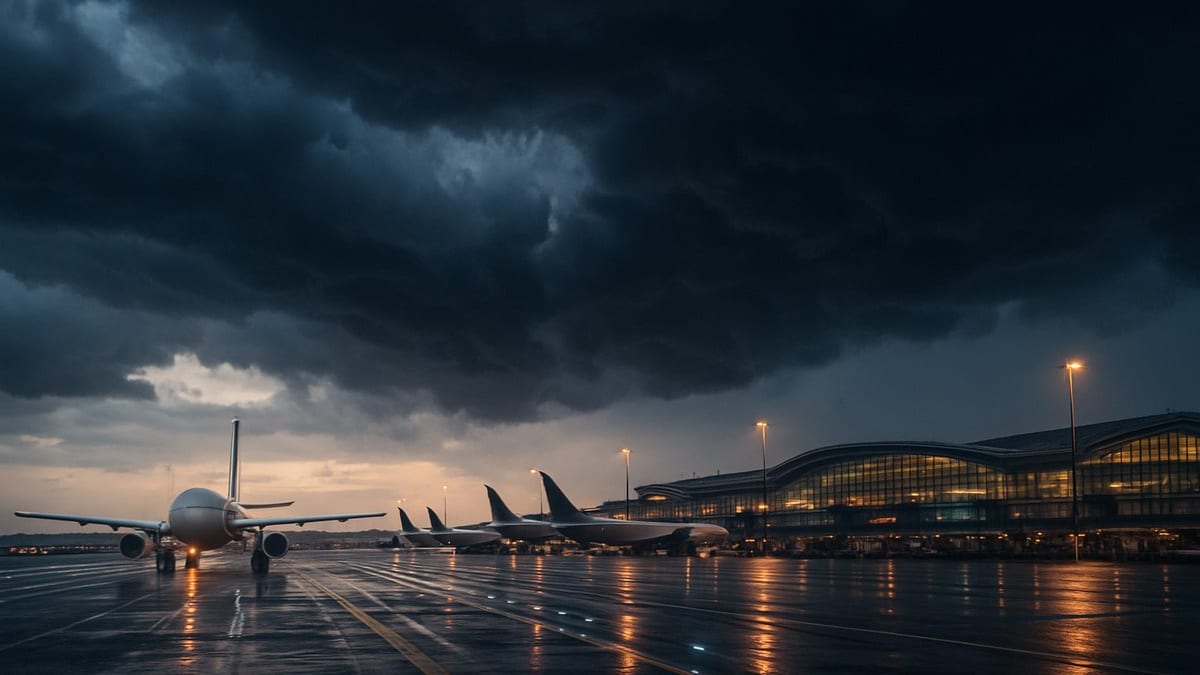
Jet Fuel Shock Spreads Across Asia
A spike in jet fuel prices linked to the ongoing conflict in the Middle East has rapidly reshaped airline economics across Asia, turning what began as a supply shock into a full-blown regional aviation squeeze. Industry reports indicate that jet fuel benchmarks in Asia have outpaced global crude prices, with some market trackers describing premiums of more than 100 percent on regional jet fuel compared with averages seen at the start of 2026.
Research from energy consultancies and trade publications suggests that the sharp increase is being driven by constrained refinery output in parts of Southeast Asia, changing shipping patterns and elevated risk premiums on fuel transported through or near conflict zones. Analysts cited by financial and aviation media outlets say that, for many Asian carriers, fuel has abruptly jumped from a manageable line item to the defining cost challenge of the year.
Low cost and full service airlines alike are reacting by cutting marginal routes, introducing or raising fuel surcharges and pushing through fare increases for peak periods. Coverage across regional outlets notes that these steps, while unpopular with travelers, are increasingly seen by airlines as unavoidable in order to avoid deeper losses during the northern summer season.
Amid this broader turmoil, Singapore Airlines, long regarded as one of the region’s most resilient carriers thanks to its comparatively robust fuel hedging practices, is no longer insulated from the shock. The carrier’s latest financial disclosures and operational adjustments show how even a well-capitalised airline is being pulled into April’s crisis dynamics.
Singapore Airlines Feels the Financial Squeeze
According to recently published financial coverage, Singapore Airlines reported a steep decline in quarterly profit in early April, citing high and volatile jet fuel prices alongside softer yields on some long haul and regional routes. Net profit reportedly fell by more than half compared with the same period a year earlier, underscoring how quickly the external environment has shifted for the flag carrier.
Publicly available information from investor updates indicates that, while passenger load factors across the Singapore Airlines and Scoot networks remained healthy into February, the combination of surging input costs and weaker pricing power in certain markets has eroded margins. The group has highlighted that elevated fuel expenses are now weighing more heavily on results than initially projected at the start of its financial year.
Coverage in regional business media also points to a cautious outlook from the airline, with management signalling that the operating environment for the April to June quarter will remain challenging. Analysts quoted in those reports note that Singapore Airlines still enters this period from a position of relative strength compared with many peers, but that the scale of the profit drop underlines how pervasive the fuel shock and demand uncertainty have become.
Equity market reaction has reflected these concerns, with Singapore Airlines’ share price coming under pressure following the release of its latest results. Commentaries from market observers suggest investors are reassessing earnings expectations for the rest of 2026, particularly if jet fuel prices take longer than anticipated to stabilise or if the regional demand backdrop deteriorates further.
Capacity Adjustments and Route Rebalancing
As the crisis has deepened, Singapore Airlines has joined other Asian carriers in fine-tuning capacity. A recent schedule update published by the airline details selective cancellations and frequency reductions across parts of its network in April and May. These changes include ad hoc cancellations on certain long haul and regional flights and more concentrated adjustments on routes where demand has softened or where fuel and operational costs have risen most sharply.
Separate travel advisories and airline notices collated by travel forums and regional media indicate that the Singapore Airlines Group is also affected by the broader disruption to Middle East airspace and fuel supply chains. Some flights transiting or operating to the Gulf region and beyond have been suspended or rerouted in recent weeks, echoing similar moves by European and Asian competitors that have curtailed operations to hubs such as Dubai in response to elevated risk premiums and logistical constraints.
Industry analysts quoted in aviation-focused publications say that Singapore Airlines’ strategy appears to prioritise preserving connectivity on core trunk routes to major Asian, European and North American gateways, while trimming capacity on more marginal or fuel-intensive sectors. In parallel, the airline is redeploying widebody aircraft to markets where demand remains resilient, including select routes in Australia and Northeast Asia, to support revenue while keeping overall capacity growth in check.
These tactical shifts mirror broader regional patterns. Data from aviation consultancies show Asian carriers deferring some planned capacity additions for the second quarter, with particular caution around routes that rely heavily on connecting traffic through disrupted Middle Eastern corridors or on leisure demand that is more sensitive to fare hikes.
Regional Carriers Brace for a Prolonged Shock
Beyond Singapore, airlines across the Asia Pacific region are implementing defensive measures as April begins. Reports from industry news outlets describe a wave of fare increases and new fuel surcharges introduced by carriers in markets such as South Korea, Japan and Southeast Asia. Some low cost airlines have placed fleets or individual aircraft into temporary storage or slowed utilisation, while full service carriers examine deeper schedule cuts for late spring and early summer.
Middle East airspace disruptions related to the Iran conflict have compounded the fuel shock by forcing long reroutes on some Europe Asia services and constraining capacity on key cargo and passenger corridors. Air cargo updates show that Middle Eastern carriers have seen their capacity share on certain Asia-linked routes drop sharply, with Asian hubs stepping in to absorb more freighter operations amid longer routings and congestion.
Energy market commentary suggests that demand destruction may eventually ease price pressures in the jet fuel market, but that this adjustment could be painful for airlines in the near term. If higher fares and reduced schedules significantly dampen travel demand, carriers risk entering a negative feedback loop in which shrinking volumes make it harder to spread fixed costs, even if fuel prices later ease.
For now, travel planners and corporate buyers across the region are being warned by industry associations and travel management firms to expect sustained volatility in fares and schedules through the second quarter. The Asia crisis is increasingly seen not as a brief shock but as a test of balance sheets, adaptability and route planning discipline across the airline sector.
What April’s Crisis Means for Travelers
For passengers flying with Singapore Airlines and its regional peers this April, the changing aviation landscape is most visible in higher prices and less predictable schedules. Online fare data tracked by travel communities and booking platforms indicates noticeable increases on a range of popular Asia Europe and intra Asia routes, with premium cabins and late booking windows particularly affected.
Travel advisories and airline announcements show that sporadic cancellations and aircraft swaps are becoming more common as carriers recalibrate capacity. While most Singapore Airlines flights are operating broadly as scheduled, the small but visible pattern of targeted cuts and changing equipment requires travelers to pay closer attention to booking conditions, connection times and potential rebooking options.
Airport operations across the region are also adjusting to the new environment. Some hubs are preparing for increased aircraft parking needs as local carriers trim flying, even as others handle additional transfer traffic rerouted around Middle East bottlenecks. For Singapore’s Changi Airport, publicly available information suggests that the facility continues to function as a major stabilising hub, offering alternative one stop connections between Asia, Australia and Europe when traditional Gulf links are disrupted.
Ultimately, the experience of Singapore Airlines in April’s Asia aviation crisis illustrates how even a well managed flagship carrier can be pulled into turbulence generated far beyond its home base. As jet fuel markets, geopolitics and travel demand remain in flux, the airline’s next moves on pricing, capacity and network strategy will be closely watched as a bellwether for the wider region.