

More news on this day
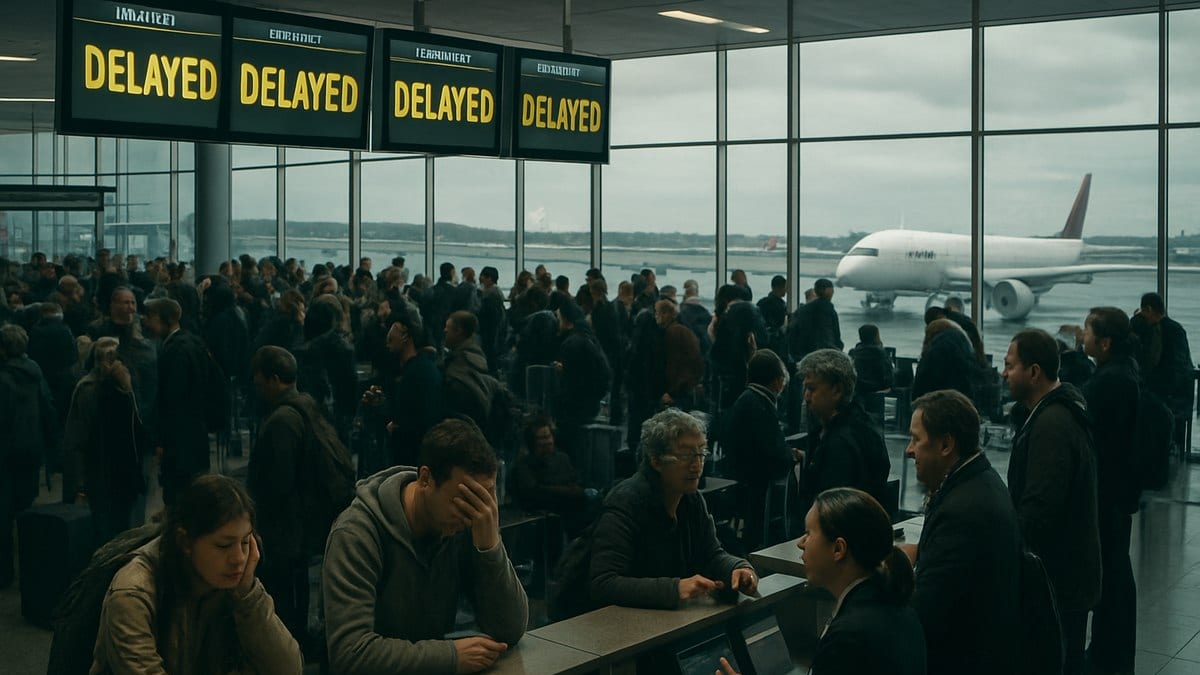
Singapore Airlines is being drawn into a new wave of flight turmoil across Asia this April, as a combination of Middle East airspace closures, fuel pressures and already stretched airline schedules triggers fresh cancellations, detours and lengthier journeys for travelers using the carrier’s Changi hub.
Get the latest news straight to your inbox!
Middle East Turmoil Forces Prolonged Route Suspensions
Public advisories from Singapore Airlines show that the carrier has extended cancellations on its Singapore–Dubai services well into the northern summer scheduling period, citing the volatile geopolitical environment in the Middle East and resulting airspace restrictions. Flights SQ494 and SQ495, which link Changi Airport with Dubai International, were initially halted in late February and have now been pushed back multiple times, with the latest guidance indicating suspensions through at least the end of May.
According to airline statements and industry coverage, the carrier is also adjusting routings on select Europe and Middle East services to avoid conflict zones. These detours translate into longer block times and more complex aircraft rotations, making it harder to keep schedules intact when any additional disruption occurs elsewhere in the network.
Regional aviation analysis notes that Southeast Asian airlines, including Singapore Airlines and its low cost affiliate Scoot, have trimmed or suspended several Gulf bound and Saudi Arabia services as conditions deteriorated. While core long haul links to Europe and Australia remain largely intact, the loss of non stop Dubai connectivity removes a major transfer option for passengers who previously combined Singapore Airlines with Gulf carriers on multi leg itineraries.
Asia Wide Operational Strain Reaches Changi
The Middle East crisis is colliding with a broader pattern of operational strain across Asia’s aviation system that intensified in March and has spilled into April. Data compiled by independent route tracking platforms and travel analysis outlets for mid March showed hundreds of cancellations and several thousand delays across major Asia Pacific hubs in a single day, as weather systems, airspace detours and tight crew rosters converged.
Reports on those disruption spikes pointed out that Singapore Changi Airport itself remained structurally resilient, with relatively few outright cancellations but a heavy load of delayed arrivals and departures. This suggests that the chaos is less about airport infrastructure and more about airlines trying to stretch aircraft and crews across complex, constantly changing routings.
Within that environment, Singapore Airlines is now experiencing the knock on effects of other carriers’ problems. With Gulf hubs operating reduced schedules and several foreign airlines scaling back in the region, demand for alternative routings via Singapore has risen. Travel industry commentary indicates that more passengers from North America and Europe are being rebooked through Changi when traditional connections through Dubai or other Middle Eastern hubs are unavailable, increasing pressure on Singapore Airlines to find seats and maintain on time performance.
Fuel Costs and Regional Network Disruptions Add Pressure
Compounding the geopolitical backdrop, elevated fuel prices are prompting carriers around the region to both cut capacity and introduce new surcharges. Trade publications tracking airline responses to the fuel spike reported that multiple Asia Pacific airlines began cancelling flights and imposing phased fuel surcharges in March, reshaping schedules into April as they sought to protect margins.
While Singapore Airlines has not implemented the same scale of outright capacity cuts seen at some rivals, industry observers note that detouring around closed airspace substantially increases fuel burn on long haul services. That, in turn, constrains the ability of carriers to add extra frequencies or rescue flights to accommodate passengers displaced by cancellations elsewhere in the region.
In nearby markets such as Malaysia and India, waves of cancellations on domestic and regional routes in late March and early April demonstrated how quickly airline networks can become unstable when costs rise and operations are tightly wound. As these disruptions ripple outward, travelers who would normally connect onto Singapore Airlines at Changi can find themselves arriving late, missing onward flights, or needing entirely new itineraries.
Travelers Face Longer Journeys and Uncertain Itineraries
For passengers booked on Singapore Airlines in April, the practical impact is most visible on routes touching the Middle East and on itineraries that previously relied on Dubai as a convenient stepping stone. Travelers holding tickets on the suspended Singapore–Dubai flights have been steered toward rerouting options via other hubs or date changes, depending on seat availability across the network and the policies of any partner airlines involved in their booking.
Publicly available travel advisories emphasize the importance of monitoring bookings closely through airline apps and online manage booking tools, as flight statuses can shift at short notice when airspace conditions or airport capacity change. Guidance from consumer rights organizations also encourages travelers to secure written confirmation of any cancellations or significant delays and to review entitlement to refunds or rebooking under the fare rules of their ticket.
Even for those not flying to or from the Middle East, itineraries involving tight connections in Singapore are becoming more vulnerable to delay. Longer routings on Europe bound services and knock on delays from congested regional airports mean that previously comfortable transfer windows may now be marginal. Frequent flyers posting on travel forums in recent weeks have advised leaving more time between connecting flights, particularly when traveling during peak evening bank periods at Changi.
What the April Disruptions Signal for Asia’s Peak Travel Season
Analysts tracking April’s chaos across Asia’s skies point to a wider structural issue that extends beyond any single airline. Traffic across the region has largely returned to or exceeded pre pandemic levels, yet staffing, aircraft availability and air traffic management systems remain under pressure. The Middle East conflict and fuel shock have simply exposed how little slack is left in the system.
For Singapore Airlines, the current wave of cancellations and rerouting underscores both its vulnerability to external shocks and its importance as a backup hub when other gateways falter. With Dubai operating a reduced international schedule and some Gulf carriers trimming flights, Singapore has become a critical alternative corridor between Europe, Southeast Asia and Australasia, heightening scrutiny of how reliably its flag carrier can keep to published timetables.
Looking ahead to the upcoming summer travel peak in the northern hemisphere, industry commentary suggests that travelers planning to transit Asia in the coming months should book earlier, build in longer connection times and stay flexible about routings. The events of March and April indicate that even premium full service airlines such as Singapore Airlines can be pulled into broader regional turbulence, turning once routine journeys into complex logistical exercises for both carriers and passengers.