

More news on this day
Singapore Airlines is set to launch daily non-stop services between Singapore Changi and the new Western Sydney International (Nancy-Bird Walton) Airport from 23 November 2026, a move widely viewed as a major shift in how international travellers will access Australia’s largest city.
Get the latest news straight to your inbox!
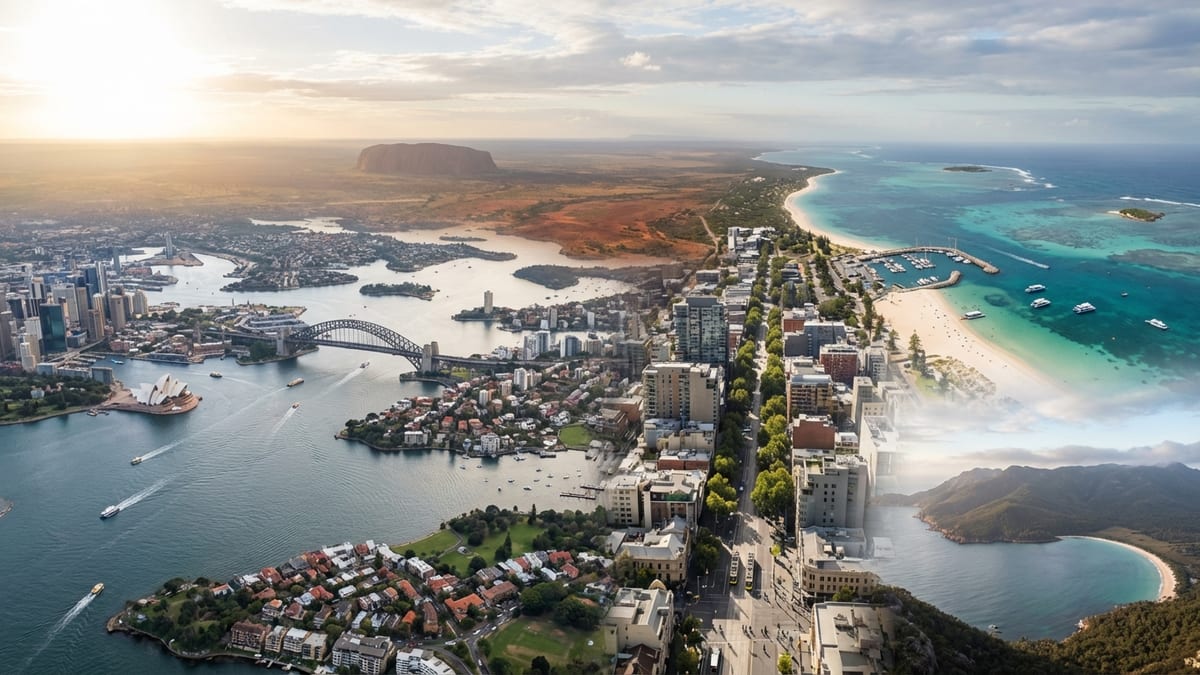
A New International Gateway for Greater Sydney
The decision by Singapore Airlines to operate daily non-stop flights to Western Sydney International positions the still-to-open airport as a serious long-haul gateway from day one. Publicly available information indicates that the carrier will become the first international airline to offer regular services from the new airport, ahead of its planned commercial opening in 2026.
Western Sydney International, located at Badgerys Creek, has been designed to relieve congestion at Sydney Kingsford Smith Airport and to serve the fast-growing western suburbs. The Singapore Airlines announcement means residents in these areas are set to gain direct access to a major global hub at Changi, without the need to cross the city to the existing airport on the eastern foreshore.
Industry coverage notes that the new services will complement the airline’s existing operations to Sydney Kingsford Smith, rather than replace them. Together, the two gateways will give travellers up to five daily flights between Sydney and Singapore, significantly lifting capacity and choice on one of Australia’s busiest international corridors.
Analysts suggest the move reflects both strong underlying demand for travel between Australia and Asia and a broader strategy to diversify access points to the Sydney market. Western Sydney’s large catchment area, rising population and relatively underserved international links have long been cited as reasons to anchor a full-service global airline at the new airport.
Flight Schedule, Aircraft and Onboard Experience
According to published schedules, the new service is planned to operate once daily in each direction using Airbus A350-900 medium-haul aircraft. The flight will depart Singapore at 11.30 am local time and arrive at Western Sydney International at 10.20 pm, taking advantage of the airport’s 24-hour operating model and lack of a night curfew.
The return leg will see the aircraft depart Western Sydney at 11.55 pm and arrive at Singapore Changi at 5.05 am the following morning. This late-night departure and early-morning arrival pattern is designed to plug into Singapore Airlines’ extensive bank of onward connections across Asia, Europe and North America, offering same-day transfers on a single ticket.
Reports on the new route indicate that the A350-900 will be configured with 303 seats across two cabins, featuring 40 Business Class seats and 263 Economy Class seats. The choice of the A350 aligns with the airline’s broader deployment of the type on medium- and long-haul services where fuel efficiency, range and passenger comfort are critical.
For travellers, the timing and aircraft selection are expected to provide a mix of convenience and comfort. Evening arrivals into Western Sydney cater to homebound passengers and domestic connections the following day, while the late-night departure to Singapore effectively functions as a red-eye service, enabling productive use of daylight hours on arrival in Asia or onward destinations.
Transforming Access for Western Sydney and Regional Travellers
The launch of daily services is expected to significantly reshape international travel patterns for communities across Western Sydney, regional New South Wales and parts of the Australian Capital Territory. Many of these travellers currently rely on lengthy road or rail journeys to reach Sydney Kingsford Smith before boarding international flights.
By offering non-stop links into one of the world’s busiest connecting hubs, the new route reduces both total travel time and domestic transit complexity for passengers heading to Europe, South Asia, Southeast Asia and parts of North America. Travel industry commentary suggests that itineraries from regional centres into Western Sydney, followed by a single international connection via Singapore, could become an attractive alternative to domestic connections through Sydney’s existing airport.
Local tourism and business groups have long argued that direct long-haul services into Western Sydney would support visitor dispersal beyond the city’s traditional coastal and central districts. Easier access is expected to benefit destinations such as the Blue Mountains, the Hawkesbury region and emerging tourism precincts in Western Sydney itself.
In addition, the route is likely to be used by international students, visiting friends and relatives, and small and medium-sized enterprises with ties across Asia. Observers note that the ability to connect Western Sydney directly to Singapore’s extensive Asian and European network may encourage more two-way travel and trade activity anchored in the region rather than the city centre.
Strategic Implications for Australian Aviation
Singapore Airlines’ commitment to Western Sydney International carries broader strategic implications for the Australian aviation market. The airline already operates multiple daily services between Singapore and Sydney Kingsford Smith, and the addition of Western Sydney lifts the total number of daily Sydney-bound flights from Singapore to five once the route launches.
This expansion consolidates Singapore’s status as a key transit gateway for Australians travelling to Europe, the Middle East, South Asia and beyond. Industry reports highlight that, for many European destinations, routing via Singapore offers competitive journey times compared with Middle Eastern or Asian alternatives, particularly when paired with tightly coordinated connection windows at Changi.
The move also adds competitive pressure on other full-service carriers serving Sydney, including those linking via Middle Eastern and Asian hubs. Additional capacity from Singapore may encourage sharper pricing and a broader range of fare types on Australia–Asia and Australia–Europe itineraries, as airlines respond to a more crowded marketplace.
For Australian airports, Western Sydney’s success in securing a major global airline before opening is being viewed as a signal to both domestic and foreign carriers that the new facility intends to compete actively for long-haul and connecting traffic. Analysts point out that the combination of a curfew-free operating environment and room for future expansion could attract additional airlines and routes over time, further shifting the balance of traffic around the Sydney basin.
Looking Ahead to the Inaugural Flight
The inaugural Singapore Airlines service to Western Sydney International is scheduled for 23 November 2026, aligning with the airport’s phased commencement of commercial operations. Aviation watchers note that the timeline gives both the carrier and the airport time to coordinate terminal, ground handling and connectivity arrangements, including domestic and regional links on the ground.
Travel industry observers expect strong demand for the first months of operation, driven by aviation enthusiasts, local residents keen to try the new airport and existing Singapore Airlines customers attracted by the convenience of the new departure point. The airline’s established loyalty base in both Australia and Asia is also likely to underpin bookings as the route beds in.
Over the medium term, performance on the Western Sydney route will be closely watched as a barometer of the new airport’s viability as an international gateway. Consistently high load factors could strengthen the case for additional frequencies, new destinations and further investment in supporting infrastructure such as hotels, ground transport links and cargo facilities.
With Western Sydney International preparing to open its doors and Singapore Airlines positioning itself as its inaugural international flag carrier, the daily non-stop link to Singapore is emerging as one of the most closely watched developments in Australian aviation in 2026. For travellers, it promises more options, shorter journeys and a new way to connect Greater Sydney to the world.