

More news on this day
Singapore has delayed the introduction of a planned green jet fuel levy on departing air travelers, offering short term financial relief to airlines and passengers as jet fuel prices spike, while maintaining its long term commitment to sustainable aviation fuel and carbon reduction targets.
Get the latest news straight to your inbox!
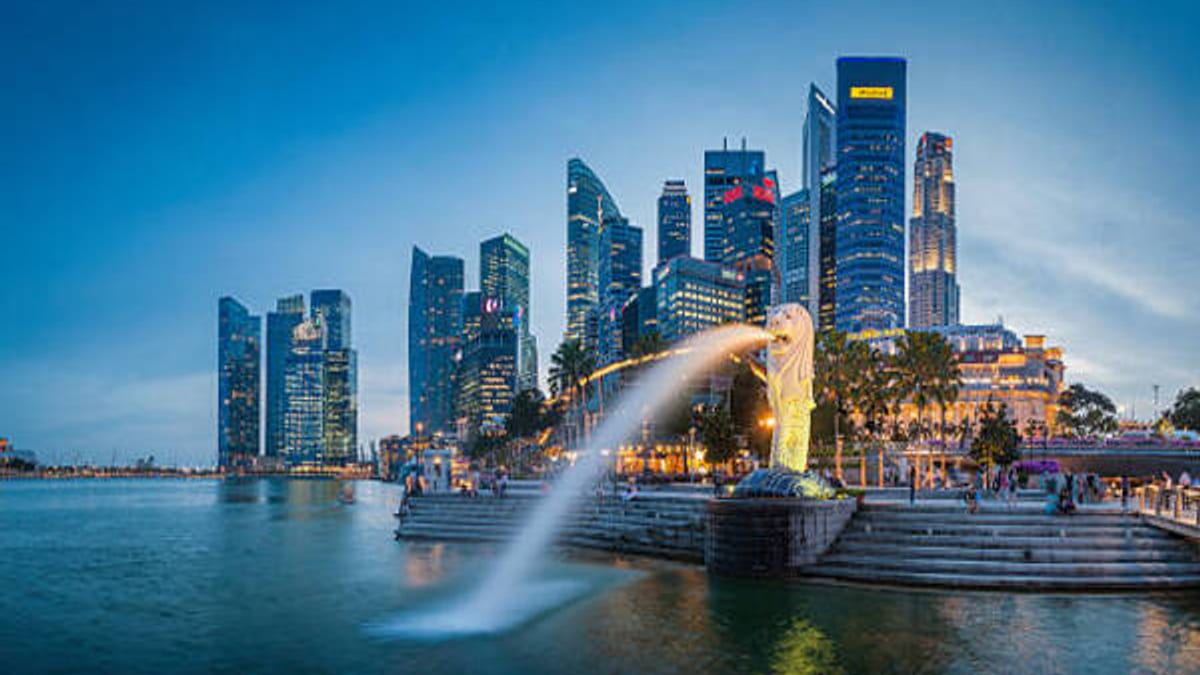
Image by Latest International / Global Travel News, Breaking World Travel News
Planned Sustainable Aviation Fuel Levy Put On Hold
Singapore had been preparing to introduce a green jet fuel levy tied to the use of sustainable aviation fuel on flights departing the city state, as part of a broader strategy to decarbonise aviation and position Changi Airport as a leading green hub in Asia. Publicly available policy documents and industry reports describe the levy as a key funding tool to close the price gap between conventional jet fuel and cleaner alternatives and to support national sustainable aviation fuel blending targets from the mid 2020s onward.
Reports in late March 2026 indicate that authorities have now deferred the rollout of the levy, which had been expected to start around April. The move comes at a time when airlines serving Singapore are already grappling with sharply higher fuel bills and surcharges linked to a surge in global oil and refined product prices following conflict in the Middle East and disruptions affecting shipping lanes.
The delay does not cancel the sustainable aviation fuel policy framework. Planning materials from aviation and transport agencies continue to refer to a phased ramp up of sustainable aviation fuel usage over the coming decade, with blending targets and a centralized procurement approach intended to give airlines certainty on supply and costs over the long term.
For now, however, the pause on the levy means that ticket prices for flights out of Singapore will not immediately reflect an additional green surcharge that had been widely anticipated by industry watchers and frequent flyers.
Rising Jet Fuel Prices Reshape Cost Calculus
The decision to defer the green levy is unfolding against a backdrop of significant volatility in global energy markets. Market commentary and economic analysis published in March 2026 highlight that bunker fuel and distillate products, including jet fuel, have risen steeply in price, reflecting higher crude benchmarks and supply constraints across key shipping and refining hubs.
Singapore, which is both a major refining center and an energy import dependent economy, is acutely exposed to these swings. Business and policy briefings note that in early 2026 some marine and aviation fuel grades sold in Singapore crossed price thresholds that would have been considered extreme only a few years earlier, increasing operating costs for airlines, shipping companies and logistics providers across the region.
Consumer oriented discussion in local media and online forums also points to higher pump prices for motorists and fuel related surcharges across different transport modes, from regional ferries to air tickets. Airlines serving Singapore have already adjusted base fares and fuel surcharges to partially offset the rise in operating costs, with travel industry analysts warning of further upward pressure on prices if energy markets remain tight.
Against this backdrop, introducing an additional levy specifically earmarked for sustainable aviation fuel would have layered another cost on top of already elevated fuel expenses. The deferral effectively slows the pace at which environmental charges are built into airfares at a time when households and businesses are still digesting broader energy related inflation.
Short Term Relief for Airlines and Travelers
For airlines, the postponement of the sustainable aviation fuel levy represents a modest but welcome reprieve for their cost bases in the near term. Network carriers and low cost operators alike face higher jet fuel bills, and while many use hedging strategies, the recent price spikes have still translated into thinner margins and pressure to raise fares on both regional and long haul routes.
Without the immediate addition of a green levy on tickets issued in Singapore, carriers have slightly more room to manage yields and promotional activity, particularly during shoulder seasons when demand is more price sensitive. Industry watchers expect some airlines to use this breathing space to preserve capacity and connectivity rather than pulling back routes or frequencies, which would have knock on effects for Singapore’s hub status.
For travelers, the delay means that previously signalled increases linked specifically to sustainable aviation fuel will not appear on tickets in the coming weeks. Passengers are still facing higher average fares compared with previous years, largely driven by fuel costs and strong post pandemic demand, but one additional line item in the final ticket price is, for the moment, off the table.
Travel agents and online booking platforms have been adjusting their fare calculators and consumer advisories in line with the evolving policy timeline. While there is no broad rollback in prices, the absence of a new levy in April bookings offers a degree of short term clarity for travelers planning trips through Singapore during peak school holiday and business travel periods.
Long Term Climate Goals and SAF Road Map Intact
Despite the near term deferral, Singapore’s long term decarbonisation plans for aviation remain firmly in place. Sustainability reports from the aviation sector and public policy statements continue to emphasize the central role of sustainable aviation fuel in meeting emissions reduction targets and preserving the competitiveness of Singapore as a global air hub.
Current frameworks outline a progressive approach in which sustainable aviation fuel blending is scaled up over time, supported by a combination of levies, incentives and centralized procurement to aggregate demand and reduce cost premiums. Airlines operating from Changi are expected to use a minimum share of sustainable aviation fuel in the coming years, rising toward higher percentages closer to 2030 and beyond as supply expands and technology matures.
Analysts note that the temporary postponement of the levy is better understood as a timing adjustment rather than a retreat from climate goals. The core policy logic remains that aviation must contribute to national and global decarbonisation efforts, and that pricing mechanisms that reflect carbon intensity will eventually be needed to align market behavior with those objectives.
Singapore is also positioning itself as a potential regional hub for sustainable aviation fuel production, trading and certification. Industry briefings and conference presentations highlight ongoing work to attract investment into feedstock supply chains, refining capacity and related infrastructure so that future sustainable aviation fuel demand can be met from diversified and resilient sources.
Balancing Affordability With the Cost of Transition
The delay of the green jet fuel levy underscores the policy tension between protecting consumers and businesses from sudden cost increases and sustaining momentum in the transition to low carbon aviation. Rising fuel prices due to geopolitical shocks have compressed the space in which new environmental charges can be introduced without triggering additional inflationary pressure.
Economic commentary focused on Singapore’s outlook for 2026 suggests that while overall growth is expected to remain positive, higher energy costs are already feeding into transportation, logistics and household expenses. In this environment, incremental policy steps that raise travel costs can carry outsized political and economic sensitivity, even when they serve long term environmental aims.
Observers expect Singapore to revisit the timing and structure of the sustainable aviation fuel levy once energy markets stabilize or when complementary measures are in place to cushion the impact on price sensitive travelers. Possible adjustments discussed in public debate include more differentiated levies by cabin class or distance, and targeted assistance for certain groups of travelers if needed.
For now, the postponement provides a window in which airlines, travelers and policymakers can reassess how best to share the costs of decarbonising aviation. As global attention turns to both climate commitments and energy security, Singapore’s handling of its green jet fuel levy is likely to be closely watched by other aviation hubs seeking to strike a similar balance between affordability and sustainability.