

More news on this day
Singapore is sharpening its focus on affluent visitors and long-staying guests in 2026, positioning itself alongside regional heavyweights such as China, Indonesia and Australia that are reshaping the global hospitality landscape around high-value, experience-led travel.
Get the latest news straight to your inbox!
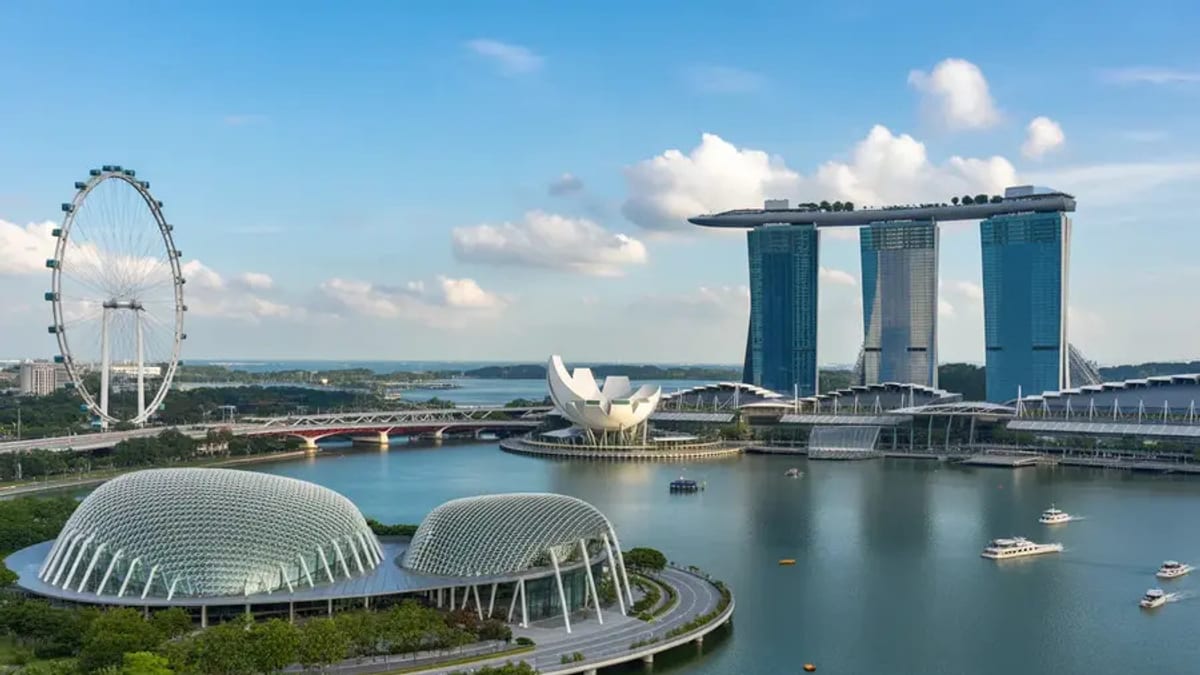
Image by Latest International / Global Travel News, Breaking World Travel News
Singapore pivots to high-yield and long-stay visitors
Publicly available information shows that Singapore is doubling down on premium tourism segments, from luxury leisure travelers to business executives and remote professionals who stay for weeks or months at a time. Industry reports highlight a shift toward higher-yield visitors rather than simply chasing arrival numbers, aligning with broader global moves to prioritise spending, sustainability and length of stay.
Hotel investment data and recent branding campaigns indicate that Singapore is quietly repositioning itself at the very top end of the Asia Pacific market. High-profile integrated resorts, fine dining, lifestyle precincts and upscale retail are being marketed as part of a single, curated experience aimed at travelers who are willing to pay for convenience, safety and predictable quality.
Analysts note that the city-state’s compact size and strong air connectivity give it an advantage in building short- to medium-stay urban retreats that can be easily combined with longer regional itineraries. This makes Singapore an attractive base or gateway for high-end travelers who may split their time between multiple countries across Asia.
New hardware: mega-resorts, wellness hubs and upgraded icons
Singapore’s physical tourism product is undergoing a visible luxury upgrade. Marina Bay Sands, one of the country’s flagship integrated resorts, completed a large-scale renovation of its existing hotel rooms in 2025 and is preparing a fourth tower focused on high-end suites, meetings space and entertainment facilities, reinforcing its role as a regional magnet for premium visitors.
In parallel, development tenders and investment announcements point to a pipeline of wellness, lifestyle and events-focused projects tailored to affluent travelers. The selection of Therme Group to develop a major wellbeing resort in Singapore, as reported in trade and business coverage, underscores the city-state’s ambition to compete in the fast-growing wellness tourism segment that targets longer stays and repeat visits.
Industry observers say these projects are designed not just to draw more tourists, but to increase per-capita spending on accommodation, dining, wellness and entertainment. By clustering luxury hotels, event venues and attractions in tightly planned precincts, Singapore aims to create an ecosystem where high-end visitors can spend more while moving efficiently between experiences.
China, Indonesia and Australia reset the regional benchmark
Singapore’s strategy is unfolding as other Asia Pacific destinations race to attract the same high-value segments. China has rolled out a series of visa-free and simplified entry policies for selected markets, with recent data showing strong growth in inbound arrivals and a marked shift toward independent, higher-spending travelers. Government documents and industry reports describe new luxury-focused tourism zones, duty-free shopping hubs and heritage experiences enhanced by digital technology.
Indonesia is leaning on long-stay and investment-oriented schemes, including its so-called golden visa framework, to entice wealthy individuals, entrepreneurs and senior professionals to base themselves in destinations such as Bali and Jakarta for extended periods. Policy briefs from consultancies and regional organisations outline multi-year residence permits for investors and highly skilled talent, a move that effectively integrates tourism, lifestyle migration and business mobility.
Australia, for its part, continues to invest in premium nature-based and urban experiences, from luxury lodges near iconic natural attractions to high-end city hotels and wine tourism routes. Tourism authorities and industry groups there have consistently targeted affluent markets in North America, Europe and Asia, positioning the country as a long-haul, high-spend destination where travelers often stay for several weeks.
This regional competition is pushing standards higher across the board, forcing destinations to refine their offerings and ease practical barriers around visas, digital payments and connectivity. Singapore’s 2026 push takes place within this context of intensifying rivalry for time, attention and spending among a relatively small pool of luxury and long-stay travelers.
Long-stay, remote work and blended travel reshape demand
Across Asia, the rise of remote work and location-flexible careers is changing how visitors interact with destinations. Studies on digital nomads and global mobility indicate that a significant minority of travelers now spend one to three months in a single city, with a smaller but growing segment staying even longer. These visitors tend to combine work, leisure and regional exploration, blurring traditional tourism categories.
Singapore is increasingly marketed in travel and lifestyle media as a premium base for such blended trips, despite its high cost of living. Guides for remote workers highlight its reliable infrastructure, fast internet, extensive co-working options and efficient public transport, all of which appeal to professionals who prioritise productivity and convenience over budget considerations.
Unlike some regional competitors, Singapore has not launched a dedicated digital nomad visa, and current rules still channel most remote workers through existing work or residence pathways. Even so, the city-state appears to be leaning into the broader long-stay trend by encouraging repeat visits, multi-stop itineraries and premium corporate travel that overlaps with leisure.
Travel analysts suggest that if Singapore continues to refine its immigration, housing and workspace frameworks with high-value, long-staying guests in mind, it could capture more of this emerging market without undermining its tightly managed labour and residency systems.
Implications for global hospitality and investment flows
The combined efforts of Singapore, China, Indonesia and Australia are reshaping expectations in the global hospitality industry. Hotel brands and investors are being nudged to focus on suites, serviced apartments, branded residences and extended-stay products that cater to affluent guests who want residential-style comfort with hotel-level services.
Financial and consulting firms report rising investor interest in mixed-use projects that pair luxury accommodation with wellness centres, medical services, retail and cultural venues. In Singapore and across the wider region, such complexes are seen as a way to capture more of a traveler’s spending under a single, master-planned destination, while also appealing to long-stay visitors who want stability and a sense of community.
For the global hospitality sector, Asia Pacific’s push into the top tier of luxury and long-stay travel is setting new benchmarks in service standards, technology integration and sustainability practices. Singapore’s 2026 strategy, unfolding alongside ambitious programs in China, Indonesia and Australia, signals that the competition for high-end tourists and long-staying guests is entering a new phase in which quality of experience, not just volume of arrivals, will define success.