

More news on this day
Singapore’s Ministry of Foreign Affairs has issued an urgent advisory urging citizens to defer all travel to Israel, Iran and the wider Middle East amid escalating regional conflict, while stressing that there are currently no reports of Singaporean casualties.
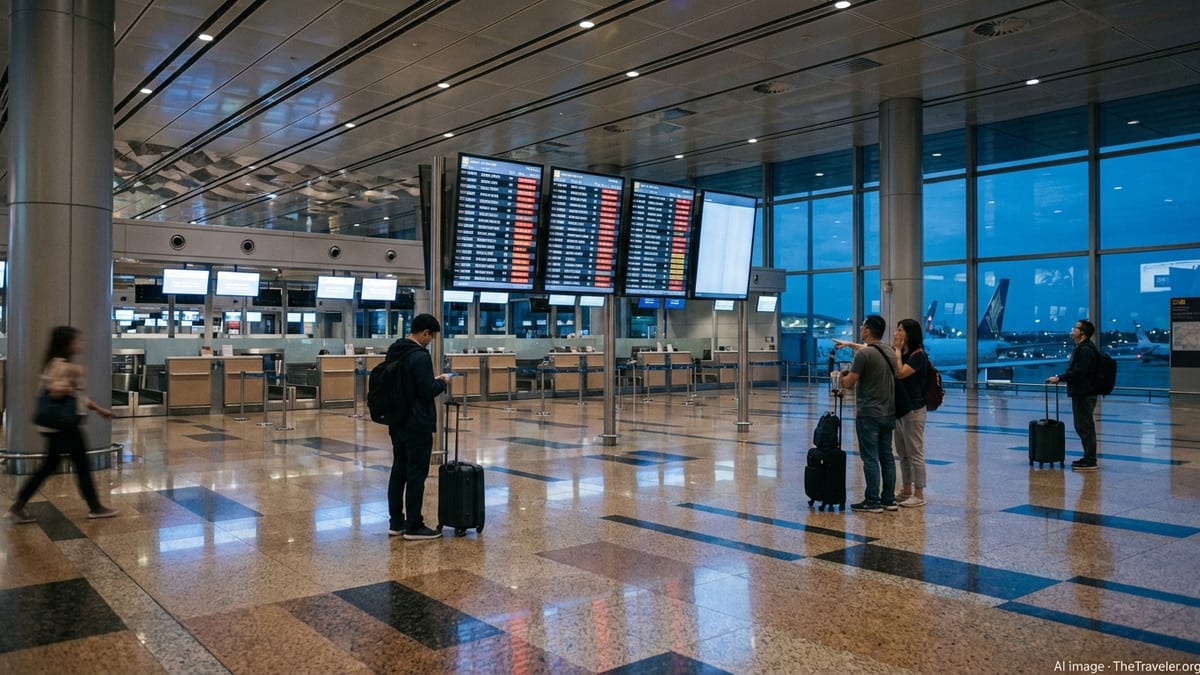
Heightened Regional Conflict Prompts Strong Warning
The rare, sweeping advisory follows coordinated strikes by the United States and Israel on Iran on 28 February 2026 and subsequent retaliatory attacks by Tehran across the Gulf. Missiles and drones targeted locations in Israel, Bahrain, Jordan, Kuwait, Qatar, Saudi Arabia and the United Arab Emirates, prompting airspace closures, flight cancellations and widespread alarm across the region.
In a formal statement, Singapore said it “regrets the failure of negotiations” that preceded the strikes and called on all parties to return to talks and seek a settlement consistent with international law and the principles of the United Nations Charter. Officials underscored that the security situation remains highly volatile, and that further military action or miscalculation cannot be ruled out.
The Ministry of Foreign Affairs (MFA) confirmed there are “currently no reports of Singaporean casualties in Israel, Iran, and the wider Middle East region.” Nonetheless, the government framed the advisory as a pre-emptive measure to safeguard citizens as the conflict’s trajectory remains uncertain and risks of spillover are increasing.
Travel Deferred, Transit Rerouted as Flights Disrupted
Under the latest guidance, Singaporeans are advised to defer all travel to Israel, Iran and the broader Middle East until further notice. The advisory extends not only to leisure trips but also to business travel and pilgrimages, reflecting the extent of concern over regional security and aviation disruptions.
MFA has urged travellers to consider alternative routes that avoid transiting through Middle Eastern hubs, as airspace closures and rapidly changing security assessments have forced airlines to adjust flight paths or suspend services altogether. Singapore Airlines and its low-cost arm Scoot have already cancelled several services to destinations such as Dubai and Jeddah after reassessing the risks in consultation with aviation authorities.
The ministry has also strongly recommended that those who nonetheless need to travel purchase comprehensive travel insurance, including coverage for trip disruption, evacuation and emergency medical care. Travel agencies in Singapore are closely monitoring the situation and reviewing bookings, as regional hubs that usually serve as gateways between Asia, Europe and Africa face unprecedented operational uncertainty.
Safety Guidance for Singaporeans Already in the Middle East
While discouraging new travel, Singaporean officials have focused significant attention on the safety of citizens already residing, working or transiting in the Middle East. Embassies and consulates across the region have issued detailed guidance urging Singaporeans to remain indoors as much as possible, avoid unnecessary movements and stay away from sensitive areas, large gatherings and protest sites.
MFA has advised individuals to proceed to safe shelters immediately when local alerts sound, monitor trusted news sources and follow the instructions of local authorities at all times. In cities where blasts or intercepts have been reported, such as in parts of the Gulf, overseas missions are working closely with host governments to track developments and relay security advisories to registered Singaporeans.
Singaporeans in Iran, in particular, had already been advised in recent days to leave the country while commercial flights remain available. With air corridors periodically closing and re-opening, MFA has urged those in affected states to maintain flexible travel plans, keep passports and essential documents readily accessible and ensure that family members know their whereabouts.
Consular Networks Activated and eRegistration Surges
The latest advisory has again highlighted the growing role of MFA’s consular services in a world marked by frequent crises. The ministry’s 24-hour duty office and overseas missions have been placed on heightened readiness to respond to emergencies, assist distressed citizens and coordinate with local authorities should evacuations or urgent relocations become necessary.
Authorities are strongly encouraging Singaporeans in the region to eRegister their details with MFA so that they can be contacted quickly in the event of further escalation. The digital platform, which allows travellers to log their itineraries and contact information before and during trips, has seen rapid growth in recent years as more residents head overseas.
Officials say this system has proven crucial during fast-moving situations, enabling consular teams to push out real-time alerts via text and email, verify the safety of registered citizens and provide tailored assistance when needed. In the current crisis, those who are eRegistered have been among the first to receive updates on flight disruptions, shelter-in-place advisories and consular contact points.
Knock-on Effects for Regional Travel and Pilgrimage Plans
The Middle East has long served as both a transit hub and a destination for Singaporean travellers, including for business, tourism and religious pilgrimages. The latest advisory is expected to ripple across travel plans, from corporate trips and trade events to family holidays and onward journeys to Europe and Africa routed through Gulf airports.
Travel planners note that while alternative routings via other Asian or European hubs remain available, journey times may lengthen and costs could rise as airlines reconfigure schedules and avoid contested airspace. Travellers are being urged to remain flexible, stay closely in touch with airlines and agents, and build in additional time for potential disruptions.
For now, Singapore’s message is clear: avoid non-essential travel to Israel, Iran and the wider Middle East, exercise extreme caution if already there, and stay closely connected to official advisories. With no Singaporean casualties reported so far, officials are hoping that early warnings, prudent planning and close coordination with partners will help keep citizens out of harm’s way as the regional crisis continues to evolve.