

More news on this day
Passengers on a recent Delta Air Lines departure from Savannah Hilton Head International Airport experienced an unexpected delay when a six-foot alligator wandered close to the runway, briefly pausing takeoff on the Georgia coast.
Get the latest news straight to your inbox!
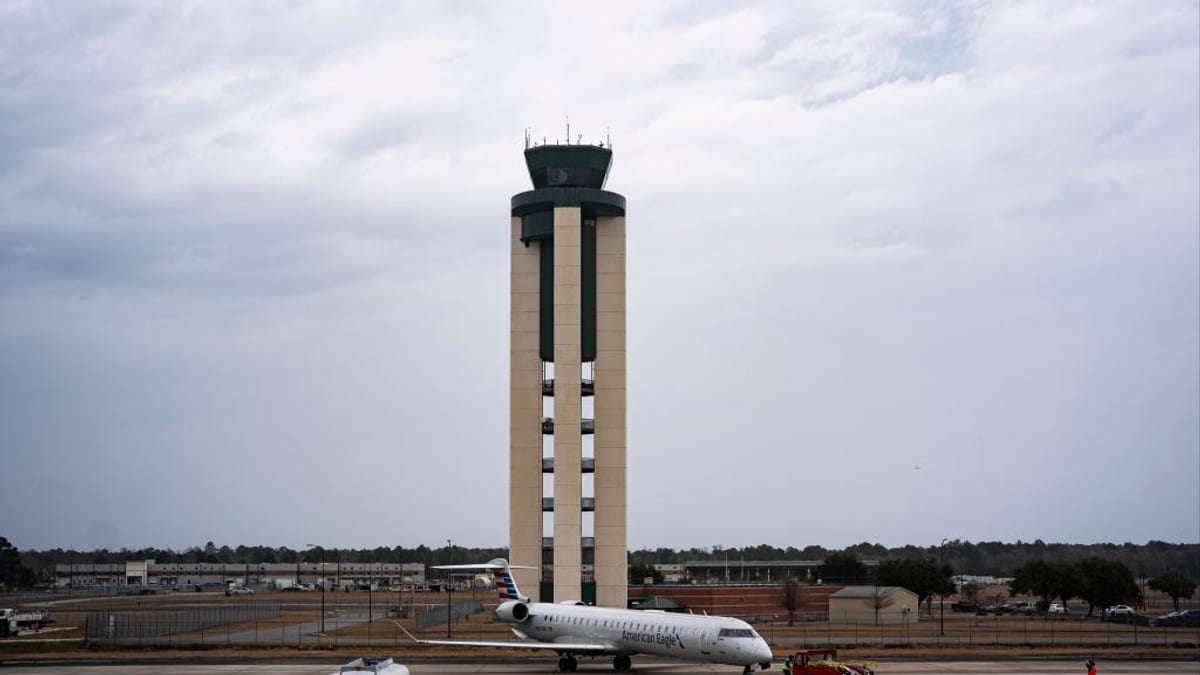
Brief Wildlife Standoff on the Runway
According to published coverage, the incident occurred around 6 p.m. on March 20 at Savannah Hilton Head International Airport, which serves coastal Georgia and nearby South Carolina. The Delta aircraft was preparing for takeoff when the reptile was spotted along the airfield environment near an active runway.
Air traffic control audio made public after the event captures the pilot calmly notifying the tower of the animal’s presence and estimating its length at about six feet. Reports indicate the alligator then stopped and lay down near the pavement, prompting crews to halt the aircraft’s departure until the situation was resolved.
The delay lasted only a short period, and publicly available information shows that no injuries were reported among passengers, crew, or airport staff. The incident has drawn attention online as a striking example of the unpredictable wildlife encounters that can occasionally intersect with commercial aviation in the southeastern United States.
Airport Crews Relocate the Alligator
Reports from local media indicate that airfield personnel responded within minutes once the alligator’s position was relayed to ground operations. Standard wildlife management procedures were put in place to clear the animal from the vicinity of the runway and restore normal traffic.
Publicly available information shows that the alligator was safely removed from the airfield and relocated to an area outside of airport grounds. The runway was inspected before operations continued, following routine safety checks designed to ensure there was no lingering hazard to aircraft or vehicles.
Once the animal was relocated and the airfield deemed clear, departures resumed. The Delta flight involved in the encounter departed after the brief pause, and subsequent operations at the airport proceeded without further disruption related to the alligator.
Wildlife Encounters a Recurring Challenge for Airports
While the idea of an alligator delaying a commercial jet may seem unusual, aviation and wildlife experts note that encounters between aircraft and animals remain a persistent challenge, particularly at airports near wetlands, coastlines, and wildlife habitats. Federal data and industry briefings often cite birds as the most frequent concern, but larger animals such as deer and alligators can pose significant risks when they stray onto runways or taxiways.
Coastal airports in the southeastern United States, including facilities in Georgia, South Carolina, and Florida, operate in ecosystems where alligators are native. As a result, airport operators typically maintain wildlife hazard management plans that include fencing, habitat control, regular patrols, and coordination with wildlife agencies to reduce the chance of animals entering aircraft operating areas.
In many cases, these systems work quietly in the background and passengers remain unaware of the wildlife management efforts unfolding beyond terminal windows. Episodes like the Savannah delay occasionally reach public attention because they intersect directly with commercial schedules and are documented in air traffic recordings or local news coverage.
Operational Impact on Delta and Travelers
In this case, the impact on passengers was limited to a brief delay, according to news reports. The aircraft remained on the ground until the runway environment was confirmed safe for departure, reflecting standard industry practices that prioritize hazard identification and clearance before takeoff.
Publicly available reporting indicates there were no diversions or cancellations resulting from the alligator sighting, and the flight continued to its destination after the short pause. For travelers, the incident became more of a memorable travel story than a major disruption, especially given that the delay occurred amid generally normal operating conditions at the airport.
The episode contrasts with more typical causes of flight disruption such as severe weather, air traffic control programs, or technical issues, all of which routinely affect airline schedules across the United States. In this situation, the delay underscored how even a single animal on or near a runway can temporarily halt a takeoff sequence until the risk is fully mitigated.
Highlighting Safety Protocols and Regional Context
Reports on the Savannah incident emphasize that the pilot’s communication and the airport’s response followed established procedures for wildlife sightings on or near runways. Aviation safety guidance encourages pilots to immediately report any potential hazard observed during taxi, takeoff, or landing so that controllers and ground crews can take action.
The event also serves as a reminder of the unique operational environment in regions where airports are surrounded by marshes, rivers, and other natural habitats. Savannah Hilton Head International Airport sits in a coastal area of Georgia where alligators are a familiar presence in waterways and wetlands, even as the airfield handles commercial jet traffic, military flights, and general aviation.
For travelers, the six-foot alligator that briefly paused a Delta departure highlights the rare but vivid ways local wildlife can intersect with modern air travel. While such encounters rarely make more than a passing impact on schedules, they illustrate why airport planners and airlines continue investing in wildlife management programs designed to keep both passengers and animals safe.