

More news on this day
From surf camps that double as business networking hubs to Italian cooking retreats booked as professional development, a growing number of travelers in 2026 are turning their vacations into “skillcations” that promise not just memories, but new competencies to bring home.
Get the latest news straight to your inbox!
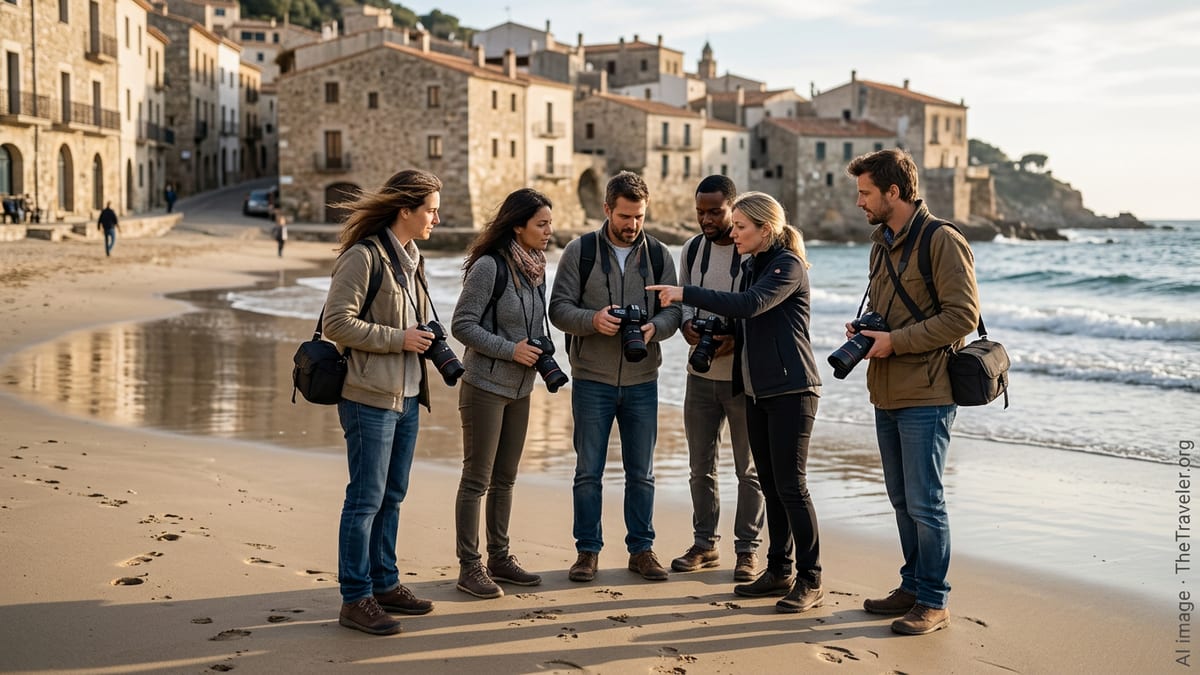
From Vacation to Skillcation: A Trend Gains Momentum
Reports from travel brands, consultancies and lifestyle media indicate that skill-based trips have shifted from niche curiosity to mainstream trend as 2026 gets underway. Industry roundups of travel trends highlight “skillcations” alongside wellness retreats and purpose-driven journeys, describing them as holidays intentionally built around learning a new hobby, honing a craft or advancing a career-friendly skill.
Coverage in business and travel publications in late 2025 and early 2026 frames skillcations as part of a wider rethink of paid time off. With trips becoming more expensive, travelers are increasingly described as treating their time away as an “investment” that should generate benefits long after they return, whether in the form of better sleep, improved confidence or a concrete new capability.
Hotel groups and tour operators are responding by packaging experiences that go beyond standard excursions. Instead of simply marketing beaches or city breaks, more providers are promoting structured learning components such as multi-day workshops, guided practice sessions and small-group mentorship built into itineraries.
What a Modern Skillcation Looks Like
Recent travel coverage shows a wide range of formats emerging under the skillcation umbrella. Some trips resemble traditional hobby holidays, such as weeklong cooking schools in regional food capitals, photography workshops paired with wildlife safaris, or residential ceramics courses in craft-focused destinations. Others are more intensive, combining classroom-style modules with field practice, as seen in language-immersion stays or specialty programs in areas such as winemaking and marine conservation.
Hospitality brands have begun curating skill-based stays across their portfolios. Publicly available trend reports cite examples including resort stays with embedded culinary masterclasses, dance lessons led by local instructors, mixology courses, wellness coaching and creative writing sessions. The aim is to add structure and a clear learning outcome without making the trip feel like work.
Standalone experiences are also proliferating. Destination spas and country hotels are offering themed weekends devoted to specific skills, from strategic board games to traditional crafts. Other providers focus on outdoor capabilities such as sailing, navigation, climbing or wilderness skills, positioning these as both confidence-building and a way to deepen connection with local landscapes.
Who Is Booking Skillcations in 2026
Demographic data in recent trend reports suggest that younger travelers and remote professionals are among the earliest adopters. Surveys summarized in hospitality research for 2026 indicate that a large majority of respondents say they want time off work to explore a personal passion, skill or hobby rather than only rest. Remote workers and digital nomads, in particular, are portrayed as seeing learning-focused travel as a way to “optimize” or structure their downtime.
At the same time, skillcations are not limited to solo travelers. Family travel coverage points to multigenerational trips that weave in shared learning, such as cooking courses, surf lessons or creative workshops suitable for teenagers and adults. These are often presented as alternatives to purely theme-park or resort-based breaks, with the promise of shared projects and memories.
Price points vary considerably. Some media reports cite average spend for curated skillcations reaching into the thousands of dollars once instruction, accommodation and travel are included, especially for premium resort-based programs. At the other end of the spectrum, there is growing attention on local or regional options that bundle day classes, weekend workshops or public courses with nearby stays, appealing to travelers who want the benefits of a skillcation without a long-haul flight.
Why Travelers Want Skills, Not Just Souvenirs
The rise of skillcations in 2026 is closely linked to broader shifts in how people define a “good” trip. Travel industry analyses describe a move away from checklist sightseeing toward more purposeful, immersive experiences, sometimes referred to as “whycations” or purpose-driven journeys. In this context, a structured opportunity to learn something new offers a clear narrative for why a particular destination or itinerary matters.
Psychology and workplace commentary also connect skillcations with concerns about burnout and stagnation. As flexible work blurs the boundaries between office and home, some travelers appear to be looking for trips that deliver both recovery and growth, framing learning as energizing rather than depleting. Providers of adventure and educational travel highlight feedback from guests who return feeling more creative, reflective and engaged with their everyday lives.
Economic factors are another driver. With airfares and accommodation costs elevated in many markets, potential travelers are weighing return on investment more carefully. A vacation that includes a new language level, a professional certificate, a portfolio of creative work or a transferable hobby can be easier to justify than a purely leisure-focused break, particularly for high performers with limited time away from demanding roles.
How to Plan a Skillcation That Actually Works
Travel planners and trend analysts emphasize that successful skillcations balance ambition with realism. Reports on early adopters suggest that overscheduling can quickly turn a promising learning holiday into an exhausting marathon, particularly when jet lag and cultural adjustment are involved. Many packaged programs have responded by building in free time between sessions and emphasizing quality of instruction over the sheer number of activities.
Prospective travelers are encouraged, in public guidance from travel and hospitality brands, to clarify their primary goal before booking. Some trips are designed around career-aligned upskilling, such as coding bootcamps or business-focused short courses combined with coworking spaces. Others focus on creative or physical hobbies, where progress is measured less by certificates and more by confidence and enjoyment.
Accessibility and authenticity are also becoming key considerations. Commentators on the trend note growing interest in programs that collaborate with local artisans, guides and educators, ensuring that skills are taught in context rather than imported in a generic format. At the same time, there is rising awareness of the need for ethical participation, particularly where wildlife, heritage crafts or community-based projects are involved.
As 2026 unfolds, early data and coverage suggest that skillcations are likely to remain part of the travel landscape rather than a passing fad. For travelers, the appeal lies in stepping onto a plane not only in search of a change of scenery, but with the expectation of coming home changed in tangible, lasting ways.