

More news on this day
Sleep is emerging as the newest luxury upgrade in American travel, as high-end hotels roll out specialized “sleep tourism” packages built around mattresses that can cost more than a sports car and nightly room rates that climb past 1,000 dollars.
Get the latest news straight to your inbox!
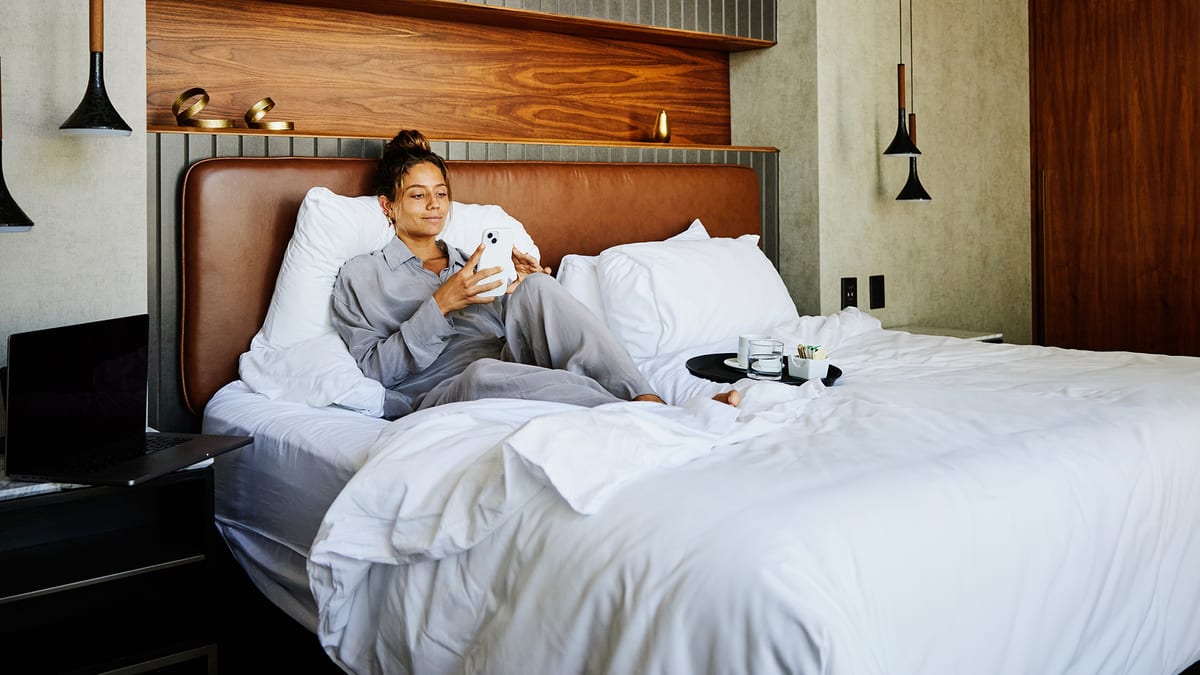
Image by Travel - news, features, tips | The US Sun
From simple amenity to centerpiece of the stay
Mattresses once sat quietly in the background of hotel marketing, overshadowed by rooftop pools, chef-driven restaurants and skyline views. That hierarchy is shifting as properties compete to turn a basic necessity into a marquee feature, framing high-quality rest as the main reason to book.
Industry data shows that the average daily rate for luxury hotels in the United States is a fraction of what some sleep-focused packages now command, typically starting around a few hundred dollars per night. By contrast, new sleep tourism offers promoted at select urban and resort properties often start around 1,000 dollars a night, positioning eight hours of optimized rest as an experience category on par with fine dining or exclusive spa treatments.
According to travel and hospitality reporting, the most aggressive adopters are wellness-led brands and design-forward hotels in major U.S. gateways. These properties are using sleep labs, curated pillow menus and quiet-room floors to entice travelers who say rest is their primary travel goal, not a side benefit of a busy itinerary.
The result is a growing niche where the bed is not just an amenity but the core product, and where the promise of better sleep justifies prices well above the broader market’s average room rate.
Mattresses priced like luxury cars
Driving the higher price tags are mattresses that would be out of reach for most household budgets. Trade and consumer coverage of the hospitality sector describes ultra-custom models built for hotels at costs that can run into six figures, with some bespoke systems for private residences and specialty suites reportedly reaching or exceeding 250,000 dollars once integrated bases, smart controls and custom materials are included.
At the upper end, these mattresses resemble engineered platforms more than traditional beds. Features highlighted in manufacturer and hotel marketing include multi-zone body-sensing technology, dynamic air or coil systems that adjust throughout the night, and cooling layers designed to keep surface temperatures within a narrow comfort band. Some setups link to in-room tablets that let guests fine-tune firmness, elevation and temperature before sleep.
For hotels, the investment is intended to function as a differentiator in a crowded luxury market. When a typical premium mattress for home use can sell for a few thousand dollars, being able to advertise access to a “perfectly calibrated” bed that is many times more expensive becomes a way to justify four-figure nightly rates, especially to travelers who already spend heavily on wellness.
The strategy also supports lucrative upgrade paths. Guests drawn in by deluxe bedding in standard rooms can be encouraged to pay more for suites featuring the most advanced versions, creating tiers of sleep experiences within the same property.
Wellness tourism and the rise of the “sleep journey”
The sleep push is unfolding against a much broader backdrop of wellness-focused travel. Recent industry analyses describe wellness tourism as a multi-hundred-billion-dollar global market and one of the fastest-growing segments in travel, with affluent consumers seeking trips that promise measurable benefits to physical and mental health.
Within that trend, sleep-specific offerings have multiplied. Some U.S. hotels now sell multi-night “sleep journeys” that pair high-end mattresses with soundscapes, blackout optimization, blue-light reduction, spa treatments and nutritional programs calibrated for rest. In-room rituals, such as guided breathing sessions or timed lighting sequences that mimic sunset, are designed to extend the value of the bed itself.
Brands with roots in fitness and performance have leaned especially hard into this positioning. According to recent coverage in lifestyle and travel media, sleep-focused urban hotels now host events such as annual sleep symposiums, combining talks by wellness experts with practical demonstrations of in-room sleep technology. Guests are encouraged to treat a weekend stay as a controlled recovery period rather than a hectic city break.
For many travelers, these offers tap into a sense that everyday sleep has become compromised by long work hours, constant connectivity and stress. A short, high-cost stay that promises reliable, uninterrupted rest can be framed less as indulgence and more as a targeted health intervention.
American travelers willing to splurge, despite cost pressures
The timing of the sleep tourism boom is notable, arriving as surveys indicate that Americans are still traveling in large numbers despite higher travel costs. Recent consumer research on upcoming vacation seasons shows more than 120 million U.S. travelers planning trips that require flights or paid lodging, with hundreds of billions of dollars expected to flow into transportation and accommodation.
Within that broader spend, a subset of travelers appears ready to allocate a disproportionate share of their budget to sleep-centric stays. Even as many households look for savings on flights or dining, survey responses highlight a willingness among higher-income travelers to pay more for amenities linked directly to well-being and flexibility, such as upgraded rooms, wellness packages and refundable bookings.
This aligns with broader hotel performance data suggesting that luxury and upper-upscale properties in key U.S. markets have continued to command significantly higher average daily rates than midscale competitors. When standard urban rooms can already cost several hundred dollars per night, the additional leap to a 1,000-dollar sleep package becomes easier for an audience accustomed to premium pricing in other parts of their lives.
The pattern also reflects the concentration of discretionary travel spending among a relatively small share of consumers. Industry analysts frequently note that a higher-income slice of travelers accounts for an outsized portion of hotel revenue, giving hotels confidence that there is a stable market for high-margin, experience-driven products like elite sleep programs.
What this means for the wider hotel market
The spread of sleep tourism is beginning to influence hotel design and marketing beyond the luxury tier. Mainstream brands are unlikely to install quarter-million-dollar mattresses, but many are quietly upgrading bedding, blackout curtains and acoustic treatments, prompted by guest reviews that single out sleep quality as a key factor in satisfaction.
Hospitality suppliers already promote hotel-specific mattress collections that mirror the feel of high-end beds at lower price points, reflecting a belief that guests want to replicate the sensation of a great night’s sleep at home. Some midscale properties now highlight mattress brands and construction details in their promotional materials, language that was once reserved for the high end of the market.
For travelers, the shift means that sleep is increasingly central to how hotels position value. At the top of the market, that can translate to 1,000-dollar nights on rarefied, technology-laden mattresses. Further down the chain scale, it may mean modest room-rate hikes tied to better bedding and a quieter environment.
Whether the most extravagant versions of sleep tourism endure will depend on how guests perceive the return on that investment. In the meantime, as more Americans book trips with rest rather than sightseeing as the headline objective, the race to offer the “perfect” night’s sleep looks set to remain one of the most competitive corners of the hotel business.