

More news on this day
Across Asia, a quiet shift is underway as travelers turn from high-speed itineraries toward slower, more immersive stays in heritage towns and cultural landscapes that reward unhurried exploration.
Get the latest news straight to your inbox!
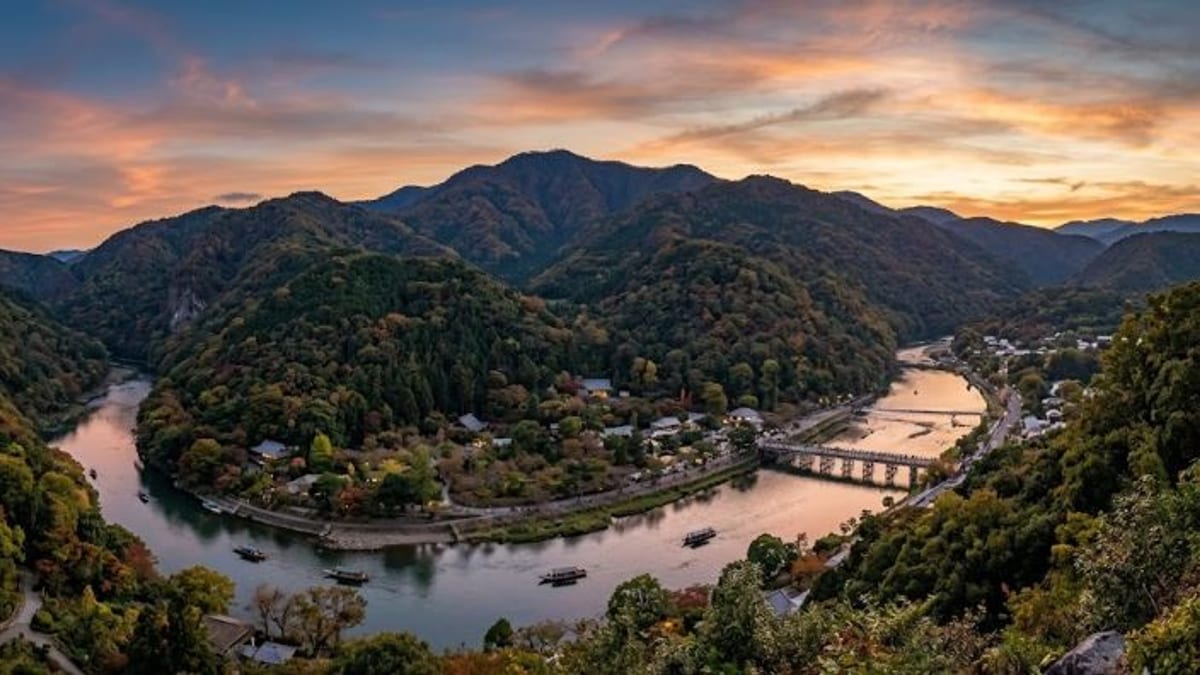
Image by Latest International / Global Travel News, Breaking World Travel News
Slow Travel Rises as a Response to Overtourism
After several years of record-breaking international arrivals, destinations across Asia are balancing tourism growth with mounting concerns about congestion, cultural erosion and resident fatigue. Reports from Japan, Vietnam, Indonesia and Sri Lanka point to a common pattern: visitor numbers have rebounded strongly since borders reopened, but the appeal of classic “checklist” routes is being tested by crowding and rising costs.
In Japan, publicly available information shows that Kyoto has faced particularly intense pressure, with new accommodation taxes and visitor management tools introduced to tackle overtourism in its historic core. At the same time, regional tourism bodies are encouraging visitors to disperse into lesser-known districts and nearby cities that offer more space, quieter streets and deeper cultural encounters.
Industry analysis indicates that similar dynamics are emerging in Bali’s Ubud region, where its success as a wellness destination has led to growth in retreats and resorts while fueling debate about how to preserve local character. In response, slow travel advocates are steering attention toward walking, cycling, homestays and community-based cultural experiences that keep more benefits in local hands.
Against this backdrop, a network of smaller-scale, heritage-focused destinations is gaining visibility. From lantern-lit riverfronts in Vietnam to fortified colonial quarters in Sri Lanka, these places are positioning themselves as alternatives to overcrowded hubs, inviting visitors to stay longer, travel lighter and engage more respectfully with local life.
Hoi An: Lanterns, River Life and Slower Evenings
Central Vietnam’s Hoi An Old Town, recognized as a UNESCO World Heritage site for its remarkably preserved trading port, has become emblematic of both the opportunities and pressures of tourism. The compact historic center, with its ochre shop-houses, assembly halls and riverside temples, draws visitors for evening lantern displays and walking streets that are largely free of motor traffic.
Recent travel coverage notes that visitor numbers to Vietnam have surged again, with the country welcoming strong international arrivals in early 2025 as airlines restored capacity and visa rules were eased. Hoi An, long promoted in guidebooks and on social media, remains one of the headline destinations on coastal itineraries that also include Da Nang and Hue.
Yet slow travel itineraries in Hoi An are evolving beyond the crowded riverfront. Cycling routes now lead into nearby farming and fishing communities, where travellers can join basket-boat rides, vegetable planting sessions and family-run cooking classes. Public information from local tourism offices highlights these experiences as ways to share economic benefits more widely while easing congestion in the Old Town’s narrow streets.
Evening life is also shifting. While the main lantern streets can feel dense at peak times, visitors are being encouraged to explore parallel alleys, quieter cafes along side canals and early-morning walks before shops open. This gentler rhythm, coupled with the town’s architectural heritage, is helping Hoi An retain its reputation as a place to pause between Vietnam’s fast-growing cities.
Ubud: From Wellness Capital to Rural Retreats
On the Indonesian island of Bali, Ubud has evolved from an artists’ enclave surrounded by rice terraces into a major hub for wellness tourism, yoga and digital nomad stays. Academic and policy studies describe rapid growth in wellness-focused businesses, with retreats, spas and health-oriented eateries becoming central to the town’s economy.
At the same time, Indonesian and regional reports warn that Bali’s most popular areas, including Ubud, are facing strains on infrastructure, water use and traditional village life. This has strengthened calls for more “high-quality, low-impact” models of tourism that extend beyond the crowded central streets and focus on longer stays with a smaller environmental footprint.
Slow travel programs around Ubud increasingly highlight village-based walks, guided introductions to subak irrigation systems and homestays in surrounding communities. Observers note that these experiences, when carefully managed, can support local agriculture and cultural practices rather than displacing them. They also give visitors more insight into Balinese religious calendars, craft production and everyday rituals that are often missed on short visits.
Wellness trends are contributing to this shift. Rather than scheduling multiple activities each day, many visitors now choose week-long or fortnight-long stays structured around meditation, traditional healing and time in nature. This pattern is reshaping the image of Ubud from a simple sightseeing stop to a base for deeper personal retreats and slower journeys into Bali’s interior.
Kyoto and the Search for Quieter Corners of Japan
Kyoto remains one of Asia’s best-known historic cities, but recent coverage underscores how its popularity has come at a cost. As Japan recorded record international visitor numbers in 2025, reports described streets in central districts such as Gion and around major temples becoming heavily congested at peak seasons. New rules restricting photography in some geisha districts and higher accommodation taxes have been introduced as part of broader efforts to tackle overtourism.
Tourism authorities and local researchers have responded by actively promoting lesser-visited areas both within and beyond Kyoto. Peripheral neighborhoods, including northern temple districts and traditional textile quarters, feature in official campaigns aimed at dispersing visitors away from a handful of famous sights. These areas often combine small shrines, residential streets and family-run shops that give a clearer sense of daily life in the city.
Beyond Kyoto itself, travel features in Japanese and international media highlight alternative bases such as Kanazawa, Takayama and coastal towns on the Sea of Japan side. These destinations offer preserved samurai streets, gardens and wooden townhouses without the same volume of tour groups. For slow travelers, they represent an opportunity to experience traditional architecture, seasonal cuisine and regional crafts while avoiding the most crowded corridors of the so-called “Golden Route.”
This trend is reframing how Japan is experienced. Rather than racing through several cities in a single week, more visitors are allocating extra nights in quieter towns, traveling by local rail lines and seeking out smaller festivals. The result is a more diffuse tourism map that could ease pressure on Kyoto while spreading economic benefits to other parts of the country.
Galle and Emerging Slow Travel Corridors in South Asia
On Sri Lanka’s southwest coast, Galle Fort has emerged as one of South Asia’s most distinctive slow travel destinations. The fort, whose core structures date to Portuguese and later Dutch colonial rule, is recognized as a heritage site for its blend of European and South Asian architectural styles, grid-planned streets and sea-facing ramparts.
Travel analyses describe the fort as a “living” quarter where long-time residents, small guesthouses, boutiques and cafes coexist within the old walls. Unlike many large coastal resorts, the compact layout encourages visitors to move on foot, tracing streets named for former ropewalks, hospitals and churches while pausing at restored townhouses and small museums. The tempo of life inside the fort, particularly in the heat of the afternoon and after sunset, supports the notion of Galle as a place to slow down rather than simply pass through on a day trip.
Publicly available guidance from Sri Lankan tourism sources underscores Galle’s role within a broader coastal corridor. Rail and road links connect the fort to quieter beaches and wildlife areas, including bays known for whale watching and forested headlands dotted with modern stupas. Slow travel itineraries now often combine several days within the old fort with extended stays in fishing villages or eco-lodges along the shoreline.
Elsewhere in South Asia, similar patterns are emerging as travelers seek alternatives to congested capitals and resort strips. Hill towns, former trading posts and small temple cities are being reframed as places where visitors can spend more time walking, talking with local business owners and learning about layered histories that span multiple empires and religious traditions.
Beyond the Icons: Discovering Asia’s Next Slow Travel Spots
The growing interest in slow travel has encouraged tourism boards and independent operators to spotlight a wider constellation of lesser-known Asian destinations. In Vietnam, riverside provincial capitals and highland towns are being promoted as complements to Hoi An and Hanoi. In Indonesia, islands and interior regions beyond Bali are receiving more attention from travelers who value nature reserves, small-scale homestays and local food traditions.
Japan’s efforts to disperse visitors from Kyoto mirror similar campaigns elsewhere, with rail passes and regional tourism passes designed to steer travelers to secondary cities and rural areas. Analysts point out that this shift can help protect fragile heritage districts while also creating more resilient local economies that do not depend solely on a handful of sightseeing hotspots.
For visitors, these changes offer a different way of seeing the continent. Instead of experiencing Asia primarily through landmark monuments and crowded viewpoints, slow travel emphasizes everyday scenes: morning markets, neighborhood festivals, family-run guesthouses and landscapes best appreciated on foot or by bicycle. Hoi An, Ubud, Kyoto and Galle are at the forefront of this transition, but they are also gateways to countless smaller places where time moves more gently and journeys feel more connected to the people who call these landscapes home.