

More news on this day
Multi-day tours are entering a new phase of growth as major operators pivot toward smaller groups, more flexible itineraries and higher-touch experiences that reflect shifting traveler expectations after the pandemic.
Get the latest news straight to your inbox!
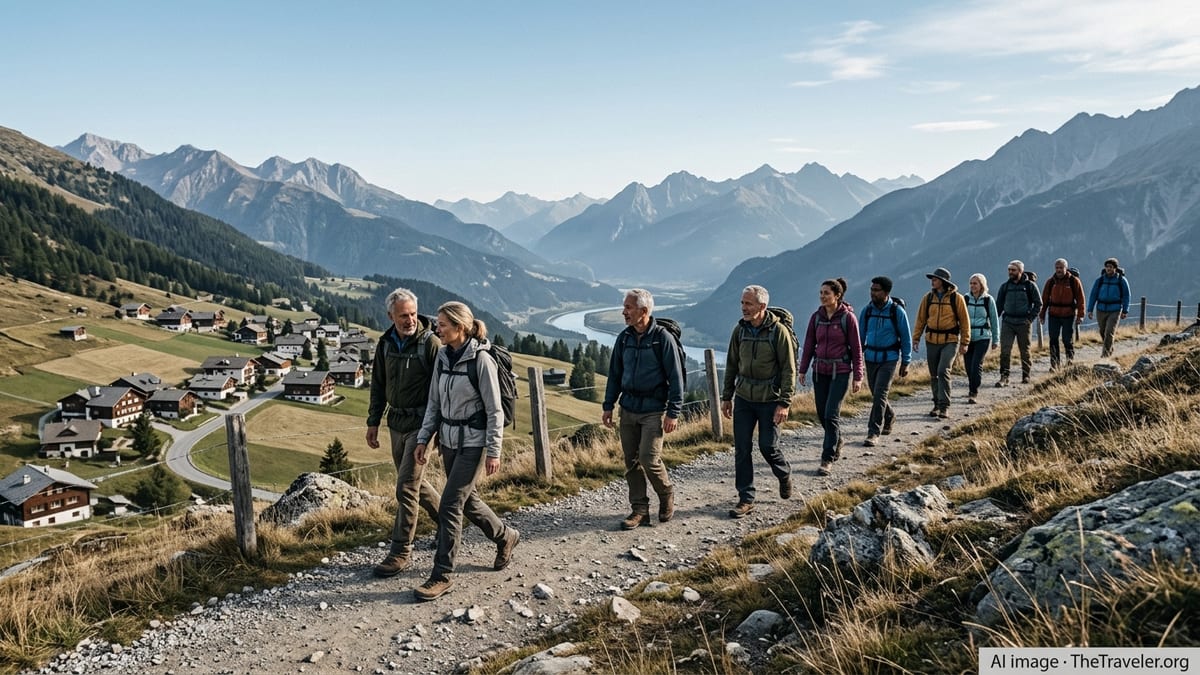
Data Shows Group Sizes Shrinking as Bookings Rise
Recent industry research indicates that the small group tour segment is expanding quickly as travelers gravitate toward more intimate, curated experiences. A 2025 market analysis values the global small group tour market at 68.4 billion dollars, with robust growth tied to demand for authenticity, personalization and sustainability in travel products.
Survey-based outlooks on the land tour sector support the same direction. A 2025 land tour report drawing on feedback from hundreds of North American travel advisors found that group sizes on multi-day tours are trending smaller, with a clear rise in tours of 10 or fewer travelers compared with prior years. Advisors also reported a broader spread of departures as operators add more dates and niche itineraries, rather than concentrating customers into a few large groups.
Market coverage from trade publications describes a structural shift away from motorcoach tours filled close to regulatory capacity and toward capped, small group departures. Sources highlight that while large coaches can legally seat more than 50 travelers in some markets, many escorted tour brands are now designing core product lines in the 10 to 24 guest range, or introducing new tiers with even lower caps.
Major Brands Double Down on Small Group Strategies
Several of the world’s best-known multi-day tour operators have recently expanded or repositioned product specifically around smaller group sizes. Reports on Tauck’s land portfolio note that small group departures now account for more than half of its non-cruise business, prompting the launch of a “smaller groups” concept piloted in 2024 with departures capped at about 15 guests. Marketing materials for its upcoming seasons emphasize these departures as the most intimate group size the company has offered to date.
Adventure-focused brands are following a similar path. Intrepid Travel, which positions itself as a small group operator, reports offering nearly 1,000 small group adventures worldwide and continues to grow the category. Company updates and annual reporting highlight that its trips typically run with a maximum of around a dozen travelers, with many itineraries explicitly capped at 10 or 12 people. Recent announcements show Intrepid expanding its active and youth-oriented ranges, adding new hiking and cycling itineraries while maintaining low group-size thresholds.
G Adventures has likewise been expanding its multi-day portfolio with a small group focus. Trade coverage notes that the company’s “Active” style tours, all operated with limited group sizes, saw double-digit growth in 2024. For 2025, G Adventures introduced more than 20 new active itineraries that explore lesser-known regions, reinforcing demand for adventure trips where travelers can move at a similar pace and interact more closely with guides and local communities.
Premium and luxury brands are also leaning into the trend through dedicated small group brochures and curated “small group journeys” series for 2024 and 2025. These collections showcase capped group sizes, guaranteed departures on certain dates and itineraries built around off-hours access to landmarks or stays in boutique properties that cannot accommodate large coach groups.
Traveler Priorities: Space, Connection and Flexibility
Shifts in traveler behavior underpin the growing preference for smaller groups on multi-day tours. Market research on the small group tour segment suggests that travelers are increasingly looking for authenticity and connection, both with local communities and with fellow guests. Smaller groups make it easier for participants to share meals, engage in conversation with guides and access experiences that are impractical for larger parties, such as home-hosted dinners, village walks or visits to small family-run wineries.
Comfort and perceived safety are additional drivers. Publicly available analysis of outbound tourism patterns from China, for example, indicates that traditional large-group package tours have declined in favor of smaller or private tours as travelers look for more control over pacing and crowd exposure. Across markets, reports indicate heightened sensitivity to congestion at major sights, a factor that nudges many travelers toward itineraries with fewer people and off-peak scheduling.
Personalization is another key element of the appeal. A recent small group tour market study notes that well over half of small group customers now request at least one bespoke component in their trip, such as an optional activity, upgraded meal or additional night. Smaller groups allow tour leaders to adapt on the ground, adjusting timing, adding spontaneous stops and tailoring free time recommendations in ways that become unwieldy with larger buses and rigid timetables.
For solo travelers, the small group format offers built-in companionship without the pressure or anonymity of a large crowd. Online travel forums and consumer feedback frequently describe small group multi-day trips as a way to mitigate loneliness while still retaining a sense of independence, particularly on itineraries that blend guided days with unscheduled time.
Product Design Shifts: Shorter Durations and Niche Themes
As operators recalibrate group sizes, they are also reshaping the structure of their multi-day offerings. Several brands have introduced more four- to six-day “short break” itineraries, often positioned as small group adventures that fit into limited vacation time. Reports on Intrepid Travel’s lineup, for instance, note a growing selection of short active trips and regional getaways designed for travelers who want an immersive experience without committing to two or three weeks away.
At the same time, thematic and activity-based tours are proliferating. Trade coverage highlights strong growth in multi-day hiking, cycling and multi-sport itineraries, which naturally lend themselves to smaller groups because of pacing and safety considerations. Operators are also rolling out more specialized products such as culinary journeys, wildlife-focused trips and family-oriented small group tours where children and parents travel alongside a handful of other families rather than a large, mixed-age coach group.
Technology is playing a role in making small groups more viable at scale. Industry reports describe new digital tools that help match travelers by fitness level or interest profile, enable dynamic trip building and reduce cancellations by consolidating bookings into optimally sized groups. Some operators are experimenting with platforms that create micro-groups of four to eight people for highly tailored itineraries, blurring the line between private guiding and traditional escorted touring.
Advisors note that these product shifts align with evolving patterns in how travelers book. With more consumers researching and reserving multi-day experiences online, filters for maximum group size and style have become prominent features on major tour marketplaces, making it easier for travelers to prioritize “small group” as a deciding factor at the search stage.
Outlook: Smaller Groups as the New Default for Escorted Travel
Industry forecasts suggest that the move toward smaller groups on multi-day tours is more than a passing trend. Market projections through 2034 for the small group tour segment anticipate sustained growth, underpinned by demographic shifts, rising interest in experiential travel and continued emphasis on sustainability. Smaller groups are seen as better suited to low-impact operations, local supplier partnerships and access to regions where infrastructure cannot handle mass tourism.
For operators, the new phase of growth is prompting a strategic rebalancing of capacity. Rather than filling a single large coach, many brands are adding departure dates, spreading demand across multiple small groups and developing tiered offerings that differentiate on group size, accommodation level and inclusions. Publicly available information on booking patterns indicates that this approach can support higher yields per guest while improving traveler satisfaction scores and repeat business.
As 2026 booking cycles progress, trade reporting and market analyses point to small group, multi-day tours emerging as a new default format in many segments of the escorted travel industry. Large-group itineraries remain part of the landscape for certain price points and markets, but the growth story is increasingly centered on compact groups, deeper experiences and flexible design that reflects how travelers now want to see the world.