

More news on this day
With rental car prices still volatile in 2026 and a maze of add ons at the counter, travelers who prepare before booking can avoid some of the industry’s steepest fees and most confusing terms.
Get the latest news straight to your inbox!
Understand Why Prices Swing So Widely
Recent industry analyses show that rental rates remain higher than before the pandemic, with dynamic pricing systems adjusting costs by the hour based on demand, location and fleet availability. Travelers searching the same city on different days frequently see double digit swings for the same vehicle class, particularly around school holidays and major events. This volatility makes it harder to know when a deal is genuinely good, and when to wait.
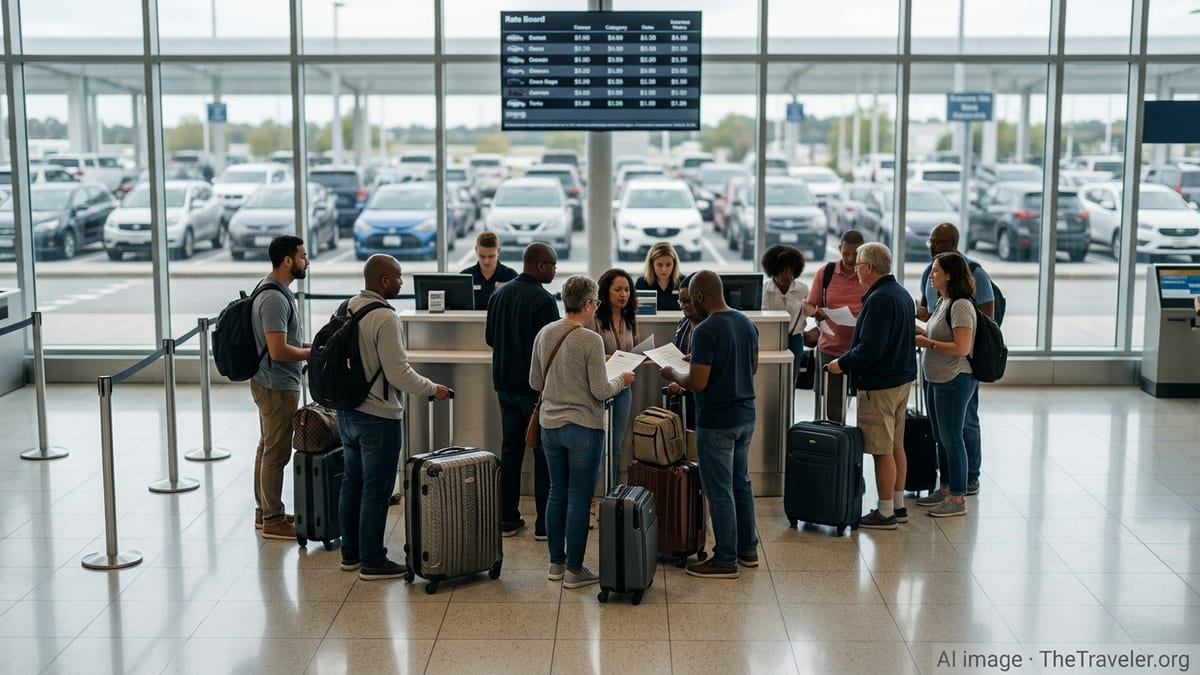
Consumer travel coverage indicates that airport rentals often carry additional concession and facility charges that can add a significant percentage to the final bill, while some off airport locations offer lower base rates but less convenience. Survey data published in 2025 also suggests that the cost of extras such as insurance, additional drivers and one way drop fees now makes up a larger share of the total price than in previous years. For travelers, the key is to treat the first price as an estimate, not a final total, until every line item is reviewed.
Experts who track pricing algorithms say rental companies are increasingly using dynamic models that factor in customer behavior, time of search, and even device type when setting rates. That means clearing cookies or searching in a private browser window will not always trigger lower prices, but booking flexibility often does. Shifting pick up times by a few hours, avoiding peak weekend starts, or adjusting from a same city one way to a simple round trip can noticeably reduce the total cost.
Compare Locations, Not Just Companies
Travel advisories consistently highlight that where travelers pick up the car can matter as much as which brand they choose. Airport counters generally remain the most expensive because of per rental and percentage based fees charged by airport authorities, which are then passed through to customers. Off airport neighborhood branches, particularly in city centers or suburbs, may offer lower base rates and fewer surcharges, although they require extra time and transport to reach.
Publicly available guidance from consumer advocates notes that a short rideshare or public transit trip to an off airport outlet can offset higher airport fees on weekly rentals. However, the math changes for short two or three day bookings, or where late arrivals make off airport openings impractical. Travelers are encouraged to price both options side by side, using identical dates and times, to see whether the airport surcharge justifies the convenience of walking straight from arrivals to a rental shuttle.
Reports from travel forums and industry commentary also point out that some off airport branches maintain smaller fleets and stricter hours, which can increase the risk of limited vehicle choice or long waits during busy periods. Booking the first time slot of the day or confirming fleet availability for specific categories, such as SUVs or minivans, can help reduce the chance of being upsold into a higher class at the counter because the reserved car is unavailable.
Scrutinize Insurance, Fuel and Toll Offers
Insurance at the counter remains one of the most confusing parts of renting a car, according to ongoing consumer reporting. Many drivers already have collision and liability coverage through their personal auto policies or premium credit cards, yet still purchase overlapping products at the desk because the terminology is unfamiliar and the pressure to decide is high. Travel writers advise checking existing coverage before departure, noting that stand alone excess policies sold by third parties can cost less per day than protection plans offered at the counter in many markets.
Fuel and toll options are another area where final bills often exceed expectations. Guides from personal finance outlets describe how prepaid fuel plans may appear attractive but rarely save money unless the tank will be returned nearly empty. Most travelers pay less by refueling themselves at a station close to the drop off point, keeping the receipt and taking a photo of the fuel gauge to document the level if any dispute arises later.
Regarding tolls, several travel advisories have warned that daily charges for using a rental company’s transponder can eclipse the cost of the tolls themselves, especially on longer trips. In many regions, drivers can either bring their own compatible transponder or pay tolls online by registering the rental license plate directly with toll operators, avoiding per day “convenience” fees. Because rules vary by state and country, trip planning now increasingly includes checking how local toll systems work before committing to a particular add on at the counter.
Book Early, But Keep Monitoring Rates
After years of constrained fleets, travel trade publications report that supply has improved, but not enough to fully return prices to pre pandemic levels across major U.S. destinations. As a result, analysts continue to recommend booking cancellable rates several weeks in advance, particularly for peak periods such as summer road trip season, major conferences, or holiday weekends. Flexible reservations allow travelers to secure a vehicle class while leaving room to rebook if prices drop.
Consumer advice columns describe a strategy of setting calendar reminders to recheck rental prices periodically. Many providers and third party platforms still allow free changes or cancellations up to a given deadline, and some dedicated tracking services alert users when a booked itinerary becomes available for less. Travelers who reprice once or twice before departure frequently report meaningful savings, especially where previously tight inventory has loosened closer to the travel date.
Published coverage also suggests combining booking tactics rather than relying on a single “secret trick.” That can mean checking both direct and aggregator sites, testing different pickup neighborhoods, applying membership or warehouse club discounts, and then locking in the option that balances cost, convenience and cancellation terms. With dynamic pricing so prevalent, persistence often matters more than any one search.
Protect Yourself at Pickup and Return
Travel consumer advocates increasingly recommend treating pickup and return as critical moments for protecting against surprise charges. Photography tips on industry blogs advise walking around the vehicle with a smartphone before leaving the lot, capturing close ups of existing scratches, chips and interior wear, plus clear images of the odometer and fuel gauge. Similar photos at drop off, paired with a time stamped rental agreement, can provide essential evidence if new damage or refueling fees appear on the final statement.
Reports from travelers shared in public forums describe cases in which disputed damage or cleaning charges surfaced days after return, particularly at busy airport locations. Keeping paperwork, digital copies of the reservation, and photos for several weeks can help in contesting such fees through customer service channels or credit card dispute processes. Some consumer agencies further advise declining to sign any blank inspection forms and requesting that all noted damage be itemized before accepting the keys.
Finally, travelers are urged to ask for an itemized receipt at drop off, whether the vehicle is returned during staffed hours or through a key box system. Publicly available information from consumer watchdogs notes that reviewing the statement on the spot increases the chances of correcting errors such as duplicate fuel charges, unexpected add ons or misapplied toll fees. In a market where small line items can add significantly to the cost of a trip, careful documentation remains one of the most reliable defenses available to renters.