

More news on this day
Hundreds of air travelers were stranded across Canada on Thursday as fresh snowfall and lingering operational backlogs triggered at least 50 new flight cancellations and 285 delays affecting services by Air Canada, Jazz Aviation, WestJet and other carriers in Vancouver, Montreal, Ottawa, Toronto, Newfoundland and Halifax.
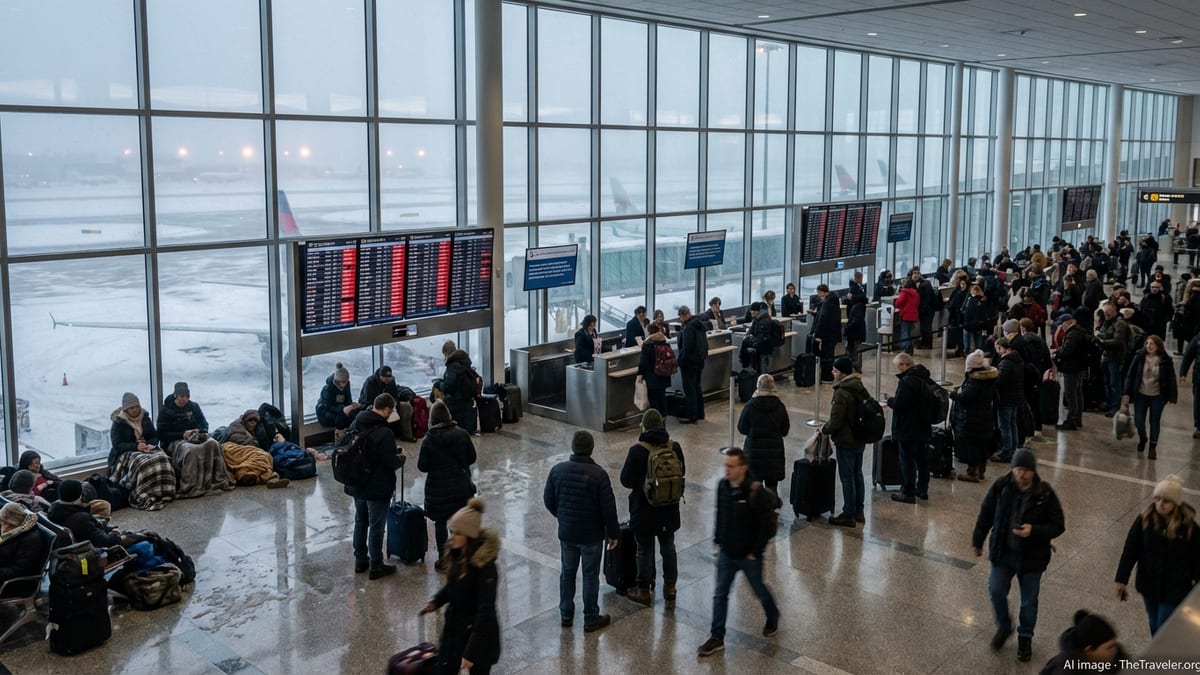
Snow and Backlogs Snarl Major Canadian Hubs
The latest wave of disruptions comes on the heels of a turbulent winter for Canada’s aviation network, with repeated storms sweeping from the Pacific Coast to Atlantic Canada and leaving airlines struggling to restore normal timetables. On Thursday, passengers at Toronto Pearson, Vancouver, Montreal Trudeau, Ottawa, Halifax Stanfield and airports in Newfoundland again faced long queues, rolling delays and sudden cancellations as fresh snow and low visibility complicated already fragile schedules.
Environment Canada reported light snow in Montreal and Ottawa along with subzero temperatures, while other key hubs including Toronto remained under mostly cloudy skies following recent heavy snowfalls that already forced widespread schedule changes. The combination of lingering snowbanks, de-icing backlogs and crews reaching duty-time limits left airlines with little margin to absorb new weather-related disruptions.
Aviation data from recent winter storms has shown how quickly conditions can deteriorate. During a major system in late January, Toronto Pearson recorded one of its heaviest single-day snowfalls on record, leading to hundreds of cancellations and a multi-day recovery effort that rippled through airline networks nationwide. The latest round of bad weather has compounded those efforts, particularly for carriers that rely on tightly timed connections across multiple Canadian hubs.
While Thursday’s tally of 50 cancellations and 285 delays is smaller than the peak impacts of January’s record storms, operational experts note that even moderate schedule cuts can strand large numbers of passengers when aircraft and crews are already out of position. Short-haul routes between major cities and regional communities in Atlantic Canada and the Prairies were among the most affected, as carriers prioritized keeping limited long-haul services running.
Passengers Face Long Lines, Missed Connections and Overnight Stays
At terminals from British Columbia to the Atlantic provinces, travelers described crowds clustering around departure boards as flight information shifted throughout the morning. Families returning from school holidays, business travelers and international visitors alike found their itineraries upended by the fresh wave of schedule changes across multiple airlines.
In Toronto and Montreal, passengers on domestic and transborder routes reported waiting hours in check-in and customer service lines to secure rebookings or hotel vouchers. Many had already experienced disruptions during earlier winter storms and were facing a second or third round of itinerary changes. With some later flights already fully booked, agents in several cities were moving travelers onto services departing one or two days later, or rerouting them through alternate hubs.
Regional travelers in and out of Newfoundland and Halifax were particularly vulnerable as smaller airports have fewer daily departures and limited spare aircraft. Flyers on connecting itineraries via Halifax Stanfield and St. John’s risked missing onward links to central Canada or the United States when early-morning departures were delayed for de-icing or runway clearing. For some, that meant unscheduled overnights in airport hotels or on terminal benches as airlines worked to rebuild their schedules.
Despite visible frustration in departure halls, airport staff emphasized that safety remained the overriding priority during active snow and ice conditions. Ground crews in Vancouver and Eastern Canada spent much of the day plowing taxiways, treating runways and managing extended queues for de-icing stands, all of which contributed to rolling departure delays even once skies began to clear.
Airlines Activate Winter Irregular-Operations Playbooks
Carriers including Air Canada, its regional partner Jazz, and WestJet entered the day operating under winter-weather contingency plans, which typically include proactive cancellations, flexible rebooking policies and coordinated recovery schedules. After January’s record-breaking storm in Toronto forced a large-scale operational reset, airlines have been increasingly inclined to trim schedules in advance to avoid long on-board delays and aircraft stuck out of position.
Air Canada and WestJet have both promoted their travel advisory tools and daily outlook pages, encouraging passengers to monitor flight status and adjust travel plans before heading to the airport when storms are forecast. In previous advisories this season, airlines have offered options such as fee-waived date changes, rerouting through less-affected hubs and credits for future travel when customers choose to postpone trips during major weather events.
Jazz Aviation, which operates many regional flights under the Air Canada Express brand, has been a critical link for smaller communities during the turbulent winter, but its shorter sectors are among the most vulnerable to cascading disruptions. When a regional aircraft misses an early-morning rotation due to weather or crew limitations, it can trigger successive knock-on delays throughout the day on routes connecting cities such as Ottawa, Montreal, Halifax and St. John’s.
WestJet, with strong operations in Western Canada, faced its own challenges as snow and operational constraints affected services in and out of Vancouver. While the Pacific coast city often sees rain rather than heavy snow, this winter’s systems have periodically brought freezing conditions and slippery airfield surfaces, forcing the airline to juggle equipment between Vancouver, Calgary and other western hubs to keep its network functioning.
What Travelers Can Do if Their Flight Is Affected
With winter disruptions now a familiar pattern across Canada, travel experts recommend that passengers build additional flexibility into their plans during stormy periods. For those booked on flights to or from Vancouver, Montreal, Ottawa, Toronto, Halifax or Newfoundland during active snowfall, checking flight status frequently and signing up for airline text or email alerts can provide critical early warnings of schedule changes.
Airlines typically update their travel advisories as storms develop, outlining options for voluntary changes. Many carriers allow customers traveling on affected dates to change their departure to an earlier or later window without change fees, although fare differences can still apply. When a flight is cancelled by the airline, passengers are generally entitled to a rebooking at no additional cost, subject to seat availability.
Travelers already at the airport are often urged to use mobile apps and websites in addition to lining up at customer service desks, since seats on the next available flights can be claimed quickly. In major hubs such as Toronto Pearson or Vancouver, some passengers have found it faster to connect with airline call centers or online chat agents while remaining in the departure lounge, reserving in-person queues for issues such as meal vouchers, hotel arrangements or baggage complications.
For those with tight onward connections, winter-weather veterans advise choosing longer layovers when possible, especially when connecting between domestic and international flights. Even modest delays at a snow-affected origin can make it difficult to clear security, customs and boarding for onward long-haul departures, increasing the risk of extended re-routing or overnight stays.
Broader Impacts on Canada’s Winter Travel Season
The cumulative effect of repeated storms and operational disruptions has been significant for Canada’s winter travel season, affecting both domestic tourism and international visitors. Popular city-break destinations such as Montreal, Toronto and Vancouver, along with winter-sport gateways in Atlantic Canada and the Rockies, have all seen periods of reduced air access or unpredictable arrival times as airlines respond to fast-changing weather systems.
Tourism and hospitality operators report that while demand for Canadian winter experiences remains strong, last-minute cancellations and late arrivals are complicating hotel occupancy planning, tour operations and rental car logistics. In some cities, hotels near major airports have seen surges of stranded travelers looking for same-night rooms, creating intermittent pressure on availability and rates.
Industry analysts note that Canadian carriers have become more sophisticated in handling winter irregular operations after several historically disruptive storms over the past two decades. Proactive cancellations, flexible rebooking policies and closer coordination with airport authorities have reduced some of the worst bottlenecks seen in earlier years, when travelers occasionally spent extended periods on aircraft waiting for gates or de-icing.
Still, as Thursday’s fresh wave of 50 cancellations and 285 delays illustrates, even well-rehearsed contingency plans cannot fully shield passengers from the realities of winter flying in a northern country. With several weeks of the season still ahead, airlines, airports and travelers alike are bracing for the possibility of further weather-driven disruptions before spring finally brings more stable skies.