

More news on this day
Surging fuel and gas prices linked to volatile oil markets and new geopolitical shocks are rippling through the global travel system, driving up airfares from the United Kingdom to Mexico and forcing governments in Italy, France, the Netherlands and elsewhere to look for ways to protect tourism from a new fuel-driven crisis.
Get the latest news straight to your inbox!
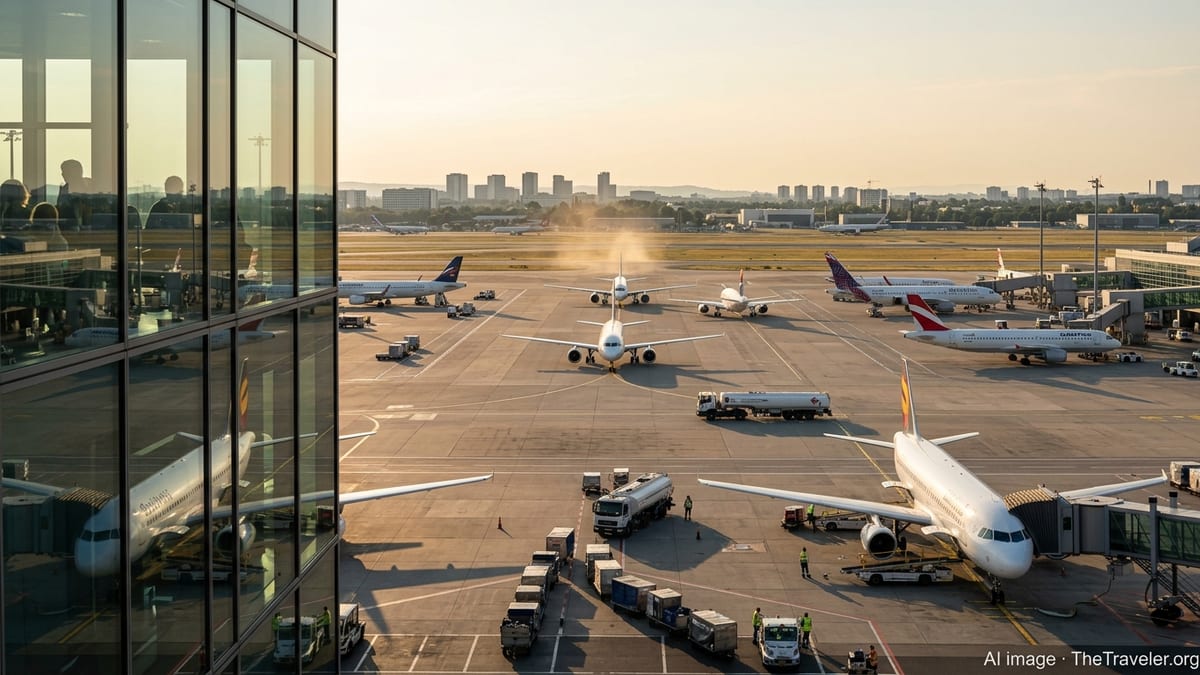
Jet Fuel Shock Pushes Airfares Higher Worldwide
Industry data shows that jet fuel remains one of the largest costs for airlines, accounting for roughly a quarter to nearly a third of operating expenses in many regions. As crude prices climb above 100 dollars a barrel and refining bottlenecks persist, global jet fuel benchmarks have moved sharply higher in early 2026, reversing much of the easing seen in 2024 and parts of 2025.
Reports from airline and travel industry trackers indicate that these fuel costs are now feeding directly into ticket prices. On popular long haul routes between Europe and Asia, some published coverage describes economy fares spiking by more than 200 percent at peak dates compared with shoulder season levels, as carriers reroute around closed or congested airspace and burn significantly more fuel per flight.
The International Air Transport Association’s fuel monitoring data points to renewed price volatility at the start of 2026, with a global jet fuel average near 90 dollars a barrel. Analysts note that every sustained increase in fuel prices tends to prompt airlines to raise base fares, introduce or expand fuel surcharges, or trim capacity on marginal routes, all of which can quickly alter the economics of leisure travel.
Europe’s Tourism Heavyweights Confront Higher Costs
Across Europe, traditional tourism leaders such as the United Kingdom, Germany, Spain, Greece and Turkey are now contending with the second major fuel-related shock since the pandemic. Travel trade publications report that airfares from British and German hubs toward key leisure destinations have jumped as airlines pass on higher fuel costs and factor in longer flight times on some routes.
In Spain and Greece, both heavily reliant on inbound air travel, hospitality groups are warning that higher ticket prices could dampen demand from more price sensitive markets. Package tour operators are starting to adjust brochures and digital offers, with some shortening trip durations, shifting to shoulder season dates or renegotiating hotel allocations in an effort to keep overall package prices within reach.
Turkey, which has positioned itself as a value destination for European and Russian travelers, is particularly exposed to fuel and currency swings. Local tourism observers note that while demand for sun-and-sea trips remains strong, rising operating costs for both airlines and domestic transport providers are narrowing margins and could limit discounting in the crucial summer months.
North American Routes Feel the Squeeze
Canada and Mexico, two of the most visited destinations in the Americas, are also being affected as higher jet fuel and gasoline prices lift the cost of reaching major tourism hubs. Publicly available airline information indicates that carriers serving transatlantic and transpacific routes from Canadian cities are reviewing fuel surcharges and yield management strategies ahead of the northern summer season.
In Mexico, where tourism remains a key pillar of the economy, rising aviation fuel costs are colliding with strong demand for beach resorts and cultural destinations. Industry coverage highlights that fares on some North America to Caribbean and Mexico routes have climbed noticeably compared with last year, with smaller and low cost airlines particularly exposed due to thinner financial buffers.
Travel advisers in both countries are encouraging early booking and date flexibility as ways to blunt the impact of fuel related fare hikes. However, if high prices persist, tourism boards may need to increase marketing support or incentives to maintain visitor numbers from more distant source markets such as Europe and Asia.
Italy, France and the Netherlands Explore Policy Responses
Several European governments are now weighing how to shield households and key sectors from the broader energy shock. In France, national media report that authorities have limited fiscal room to launch large scale fuel subsidies after previous rounds of support. Current steps center on targeted relief and existing tax credits, even as motorists and tourism businesses face higher pump prices.
Italy has a recent history of temporary fuel tax cuts and social bonuses on energy bills during previous price surges. Analysis from European research organizations notes that Rome is again studying options to cushion vulnerable households and transport intensive activities, while also trying to align with climate and deficit constraints. The tourism industry is closely watching whether any new fuel or energy support will extend to regional transport and hospitality operators that depend on affordable mobility.
In the Netherlands, where fuel taxes and environmental levies already form a significant share of pump prices, the policy debate is shifting toward structural measures. Public information on Dutch taxation shows that authorities have increasingly used targeted air passenger taxes and road fuel duties to balance environmental goals and revenue needs. With diesel prices reaching new highs, discussions are under way on whether to adjust commuter allowances, expand public transport support, or provide temporary relief for small businesses in sectors like travel and logistics.
Airlines and Destinations Race to Adapt
Airlines are responding to the fuel shock with a mix of operational and commercial tactics. Industry briefings describe greater emphasis on fuel efficiency programs, including optimized flight planning, lighter cabin configurations and more precise fuel loading. Some European carriers are also revising schedules to concentrate capacity on the most profitable routes while trimming frequencies on weaker ones.
At the same time, there is renewed attention on sustainable aviation fuel, even though current prices for these alternatives remain several times higher than conventional jet fuel. Governments such as Singapore have already introduced levies on tickets to support sustainable fuel adoption, and European policymakers are discussing how similar mechanisms could spread the cost more evenly across the travel ecosystem rather than leaving airlines to absorb it alone.
Destination marketing organizations from the UK to Greece and Mexico are adjusting their messaging to highlight value, flexibility and closer to home experiences. Some are promoting rail linked city pairs, bundled passes for regional public transport, or campaigns aimed at encouraging longer stays to make higher travel costs feel more worthwhile. As fuel prices remain elevated, the balance between keeping travel affordable and pushing ahead with longer term sustainability goals is emerging as one of the central challenges for global tourism in 2026.