

More news on this day
Taiwan is accelerating efforts to attract travelers from Southeast Asia, combining aggressive social media marketing with a growing web of airline partnerships to position the island as a convenient, digitally driven hub for regional tourism.
Get the latest news straight to your inbox!
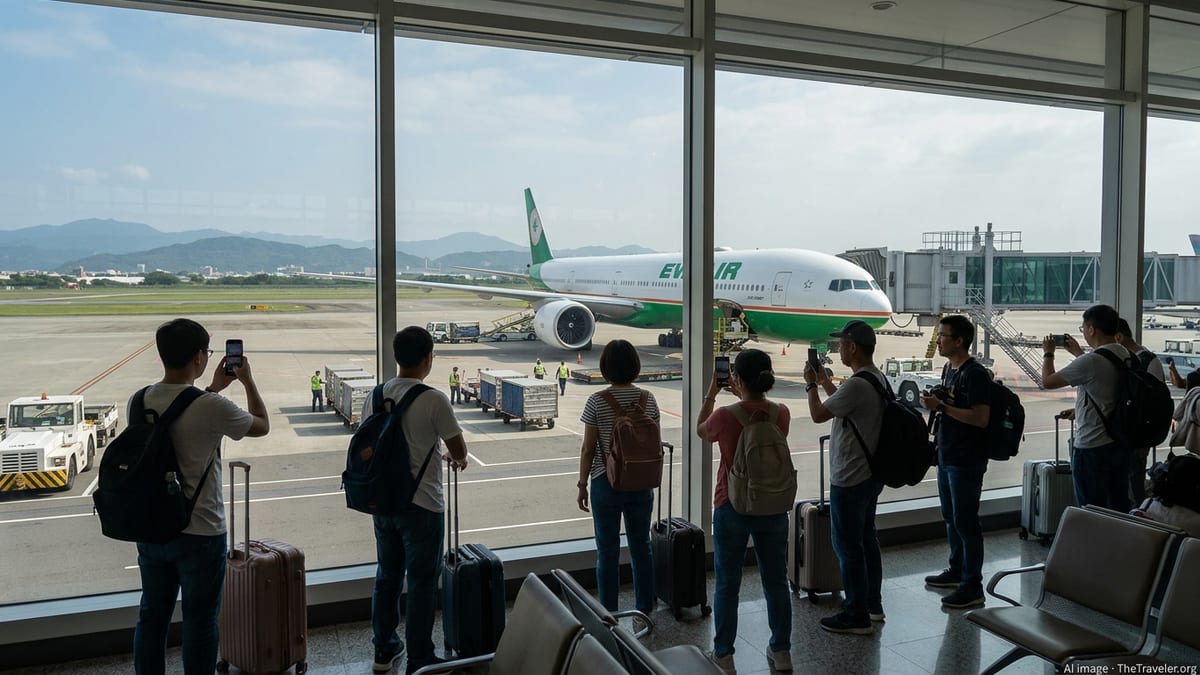
Targeted Digital Campaigns Aim at ASEAN Growth Markets
Tourism planners in Taiwan are increasingly treating Southeast Asia as a priority market, pairing destination branding with data-driven social media outreach. Under the “Taiwan – Waves of Wonder” brand, the Taiwan Tourism Administration has outlined plans to lean on travel fairs, online campaigns, and social platforms to reach younger, mobile-first travelers in countries such as Thailand, Vietnam, Indonesia, Malaysia, and the Philippines, where social media is often the starting point for trip planning.
Recent strategy documents on Taiwan’s tourism development highlight a stronger focus on sustainable and digital tourism, with social media described as a central channel for brand storytelling and regional collaboration. These plans call for promotional videos, keyword advertising, and coordinated online pushes to spotlight themed itineraries that link major cities with surrounding regions, in line with a “one trip, multiple stops” approach that is particularly attractive to price-conscious Southeast Asian visitors.
Industry campaigns increasingly mix traditional advertising with precision-targeted digital placements and social media content. Publicly available information on Taiwan’s recent overseas promotions points to integrated efforts that combine outdoor media, curated video, and social posts, with airline partners adding fare promotions aimed at converting online interest into bookings. While some of these campaigns have been piloted in North America and Europe, the same tactics are being adapted for nearby Southeast Asian markets where budget carriers and short flight times create additional momentum.
Influencer Collaborations and City-Level Social Media Partnerships
Alongside national branding, local authorities in Taiwan are building their own digital presence through social media partnerships that can be extended to Southeast Asia. In late 2025, Kaohsiung city in southern Taiwan announced a collaboration with Meta to invite international creators to film Instagram Reels and post content on Threads and Facebook, showcasing harbor views, night markets, and waterfront attractions. Reports on the initiative indicate that creators were drawn from nearby markets including Japan and South Korea, laying a template that could easily be replicated with Southeast Asian influencers.
The Kaohsiung campaign underscores how city destinations in Taiwan are using influencer marketing to reach travelers who follow creators rather than official tourism channels. By giving content producers editorial freedom to document street food, cultural districts, and public transit, the city aims for candid, shareable posts that resonate with audiences already accustomed to discovering new destinations through social feeds. Similar creator-driven familiarization trips and user-generated content contests are being discussed across other Taiwanese cities, with tourism planners openly positioning social media as a “powerful engine” for local tourism economies.
Private-sector platforms in Taiwan’s marketing ecosystem are also targeting cross-border influencer work. GoFluence, an influencer marketing company that has expanded its presence in Taiwan, has stated that it aims to build a cross-border creator network with upcoming expansions into Thailand and Vietnam. Its model, built around collaborations with both larger key opinion leaders and smaller micro-creators, is designed to help brands and destinations reach niche audiences in Southeast Asia while generating a steady stream of reusable travel content centered on Taiwan.
Airline Collaborations Link ASEAN Cities to Taiwan’s Hub
While social media campaigns build awareness, airline partnerships are turning that interest into readily bookable routes. Taiwan’s major carriers, including China Airlines, EVA Air, and low cost operator Tigerair Taiwan, have been reporting strong passenger revenue on regional services, supported by tourism demand and a steady recovery in leisure travel. Industry data from early 2025 showed record or near-record passenger revenue for leading carriers, with high load factors on many Asia routes, reflecting growing use of Taiwan as both a destination and a transit point.
EVA Air has been particularly active in deepening its regional footprint. In 2024, the carrier renewed and expanded a partnership with the Tourism Authority of Thailand, signing a multiyear letter of intent to cooperate on promotions and capacity between Taipei and multiple Thai gateways. Coverage of the agreement highlights a schedule of 28 weekly flights between Bangkok and Taipei and daily service linking Taipei with Chiang Mai, along with onward connections that allow Thai travelers to continue through Taiwan to Northeast Asia and beyond.
Low cost carrier Tigerair Taiwan is working to sharpen its competitive position in the broader Asian market, including Southeast Asia, by adopting new pricing intelligence tools. A late 2025 announcement detailed the airline’s partnership with a technology provider for real-time fare tracking across online travel agencies and competing airline websites. The move is intended to help Tigerair respond quickly to market shifts, adjust prices on high-traffic leisure routes, and better serve cost-conscious travelers from markets such as Vietnam, Thailand, and the Philippines who are weighing Taiwan against other short-haul options.
Analysts note that these air service expansions dovetail with tourism planners’ push for “one trip, multiple stops” itineraries. As carriers add frequencies and refine fares, Taiwan can position itself as both a stand-alone destination and a convenient stopover linking Southeast Asia with Japan, South Korea, and trans-Pacific routes, increasing its visibility in online searches and social media trip ideas.
Vietnam and Emerging Markets: Social Commerce Meets Package Tours
Vietnam has emerged as one of the fastest-growing outbound markets in Southeast Asia, and Taiwan-based travel firms are responding with tailored products supported by social media outreach. In late 2025, reports from the region highlighted the launch of a curated “one-week round-island” tour for Vietnamese travelers, developed by the Taiwan Smart Tourism Alliance and led by experience platform KKday. The initiative brings together small and medium-sized operators across Taiwan, from transportation providers to local attractions, in a coordinated effort to appeal to first-time and repeat visitors.
The new Vietnam-facing packages are backed by multi-channel promotion on Instagram and Facebook, as well as in-app notifications, email newsletters, blog articles, and search advertising on KKday’s Vietnam platform. This integration of social commerce and packaged tours aligns with broader tourism goals to distribute visitors beyond Taipei, while tapping into Vietnam’s rapidly expanding middle class, which relies heavily on mobile-first travel planning and peer recommendations.
Other Southeast Asian markets are being targeted with similarly tailored offerings. Public coverage of Taiwan’s outreach to Indonesia, for example, has emphasized halal-friendly services and special tour packages that align with local preferences, often promoted through social media campaigns and video content. As air connectivity and visa arrangements improve, the combination of themed tours and targeted social activity positions Taiwan as a flexible option for family travel, student groups, and young independent travelers across ASEAN.
Social Media, Stopovers, and the Next Phase of Regional Expansion
Taiwan’s tourism authorities are pairing airline schedule growth with campaigns that encourage stopovers and short stays, many of which are amplified on social platforms. Programs offering free airport metro vouchers, half-day tours for transit passengers, and limited-time gifts for layover visitors have been designed to entice travelers who might otherwise remain airside. These initiatives are frequently promoted in digital form, with travelers sharing experiences and tips across Southeast Asian travel forums and social channels, effectively turning individual layovers into organic marketing.
At international travel and trade events, Taiwan’s tourism promotion has increasingly incorporated social media engagement mechanics, such as photo walls and interactive booths where visitors are encouraged to post images to their own accounts in exchange for small rewards. Airline partners, including EVA Air and China Airlines, often align flight promotions or prize draws with these efforts, using co-branded hashtags and destination content that can be easily localized for Southeast Asian audiences.
Observers of the region’s tourism trends point out that Southeast Asia’s young, digital-native travelers respond strongly to destinations that combine convenient access, visually compelling experiences, and clear value. By integrating influencer partnerships, creator-driven city campaigns, dynamic airline pricing, and expanding route networks, Taiwan is seeking to secure a larger share of that market. The result is an increasingly intertwined ecosystem in which social media storytelling and airline collaboration work in tandem to expand Taiwan’s tourism footprint across ASEAN.