

More news on this day
South Africa is preparing to spotlight Polokwane as a rising force in African tourism, with a forthcoming high-level summit and investment drive positioning the Limpopo capital as a contender for the continent’s next major travel hub.
Get the latest news straight to your inbox!
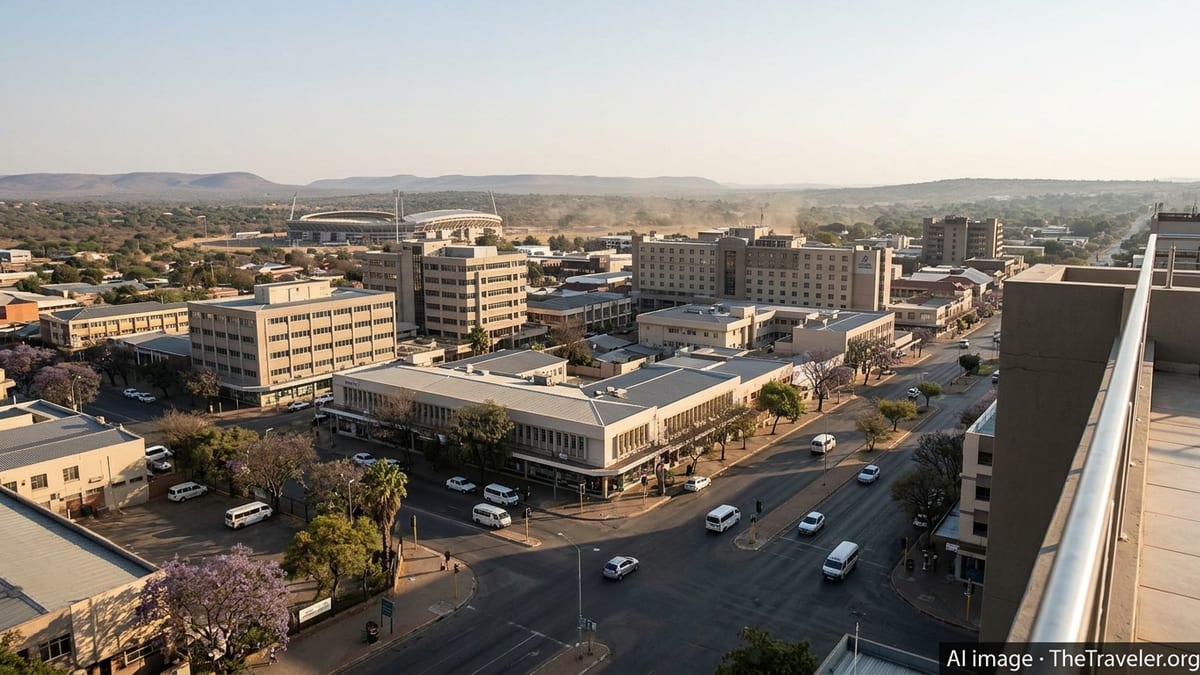
A Strategic Summit in an Unlikely City
Polokwane, long known more as a stopover on the N1 highway than a final destination, is moving into the tourism spotlight as South Africa aligns a series of investment and strategy gatherings around the city and the wider Limpopo province. A dedicated tourism investment push linked to South Africa’s recent G20 presidency has already placed visitor economies at the centre of national growth plans, with a flagship tourism investment summit in Cape Town showcasing a multi-billion-rand project pipeline. Publicly available information shows that Limpopo is one of the provinces earmarked for new attractions, infrastructure and experience development within this broader agenda.
In parallel, provincial authorities are revisiting the Limpopo Tourism Growth Strategy for the 2025/26 cycle, with consultation sessions scheduled in all districts and a key workshop planned at the Limpopo Tourism Agency’s One-Stop Shop in Polokwane. Industry notices describe the review as an effort to realign the province with global tourism trends and sharpen its competitive edge. Together, these processes give Polokwane a pivotal role as host city and coordination point for discussions on how tourism can deliver jobs, small-business growth and regional integration.
The city’s rising profile is also underpinned by a steady calendar of high-level gatherings across sectors. Recent and upcoming events include scientific and policy meetings at venues such as The Ranch Resort outside Polokwane, as well as investment conferences designed to connect local operators with domestic and foreign capital. This steady flow of delegates is gradually reshaping perceptions of Polokwane from an administrative centre into a meeting point for African business and tourism networks.
Investment Pipelines and New Partnerships
South Africa’s tourism authorities have spent the past two years placing investment at the heart of policy, framing the visitor economy as a catalyst for infrastructure upgrades, skills development and small enterprise growth. A G20 legacy tourism investment summit in 2025 highlighted more than a billion rand in tourism-linked opportunities and drew attention to secondary cities and rural regions that can absorb new capital. Reports indicate that Limpopo featured prominently in these discussions, particularly in relation to nature-based tourism, cultural experiences and routes that link South Africa with neighbouring states.
Within Limpopo itself, the provincial tourism and economic development agencies have signed cooperation agreements to streamline support for tourism businesses and to present a unified front to investors. One such memorandum of understanding, concluded at the Polokwane One-Stop Shop, is described in local business coverage as a bridge between global financiers and small tourism enterprises. The arrangement is intended to fast-track approvals, help operators access incentives and ensure that projects showcased at upcoming investment conferences in Polokwane and elsewhere are genuinely “shovel-ready.”
This ecosystem approach is particularly important for Polokwane, whose tourism appeal depends not only on attractions within the city but also on the strength of surrounding circuits, from wildlife reserves and Limpopo’s northern bushveld to cultural villages and adventure routes. A coherent pipeline of lodge expansions, event venues and transport upgrades could help justify more frequent air services and long-distance coach routes, reinforcing the city’s role as a gateway rather than a mere transit point.
From Transit Town to Events Powerhouse
Sport and events are emerging as powerful tools in Polokwane’s repositioning. The city has hosted major regional tournaments at facilities such as the New Peter Mokaba Stadium, including a rescheduled COSAFA Women’s Championship that drew teams and supporters from around Southern Africa. Regional football coverage notes that such events bring broadcast exposure, hotel bookings and local spending, while testing the city’s ability to handle complex logistics and security requirements.
Polokwane’s convention hotels and nearby resorts have also become regular venues for national conferences, workshops and training programmes, from sector-specific symposiums to government and academic gatherings. Each event adds a layer of experience for local suppliers, from transport companies to caterers and audiovisual technicians, and reinforces the message that the city can host multi-day events for regional and international audiences.
Tourism strategists argue in public forums that this events track record gives Polokwane a realistic platform to compete for more pan-African tourism and investment summits. With South Africa preparing for future editions of business tourism showcases such as Meetings Africa and a growing schedule of Africa-focused investment conferences, a secondary hub like Polokwane can offer lower costs and quicker access to wildlife and cultural experiences than the country’s traditional coastal centres.
Why Polokwane Makes Sense for Africa’s Travel Future
Polokwane’s geographical position is one of its strongest selling points. Situated roughly midway between Johannesburg and the Beitbridge border with Zimbabwe, and linked by the N1 corridor toward other Southern African destinations, the city is well placed to capture cross-border traffic. Investment guides for the municipality describe Polokwane as the economic hub of Limpopo, highlighting established logistics, retail and service sectors that can support a more ambitious tourism role.
Beyond its roads, Polokwane offers a regional airport, established stadium infrastructure, a growing hotel inventory and proximity to iconic wildlife areas. Travellers can connect from the city to reserves in Limpopo, to the northern gates of Kruger National Park and to cross-border safari circuits that include Botswana, Zimbabwe and Mozambique. This combination of accessibility and access to nature aligns closely with current traveller preferences for multi-stop, experience-rich itineraries rather than single-city breaks.
For regional tourism planners, these characteristics support a vision of Polokwane as a node in a wider African travel network. Instead of funnelling all long-haul visitors through Cape Town and Johannesburg, the strategy increasingly looks to distribute traffic to inland centres that can disperse visitors into surrounding communities. This approach is reflected in national tourism plans that emphasise route development, secondary hubs and township and village tourism as levers for inclusive growth.
Risks, Realities and the Road Ahead
Despite the optimism surrounding Polokwane’s summit ambitions, the city faces familiar challenges. Infrastructure backlogs, intermittent power supply, road maintenance and perceptions of safety continue to shape travel decisions across South Africa. Publicly available speeches and policy documents stress the need for coordinated action to improve basic services, accelerate tourism infrastructure projects and streamline air-route development if destinations like Polokwane are to compete with established hubs elsewhere on the continent.
There is also competition from other African cities that are courting the same meetings, incentives, conferences and events market that Polokwane is targeting. Coastal destinations often have an advantage in international branding, while capital cities can leverage diplomatic networks and airline connectivity. Polokwane’s success will depend on clear positioning as an affordable, accessible inland hub that combines serious business facilities with easy access to nature and cultural experiences.
For now, the decision to stage high-profile tourism and investment dialogues in and around Polokwane signals a willingness to test that proposition. If forthcoming summits translate into funded projects, new air links and stronger cross-border itineraries, the city could evolve from an overlooked waypoint into a recognised platform for Africa’s next chapter of tourism growth.