

More news on this day
South Africa’s tourism rebound is accelerating, positioning the country firmly alongside Kenya, Morocco, Egypt and Mauritius as one of Africa’s leading travel powerhouses, with new data showing record arrivals, rising revenues and a growing share of global demand for the continent’s cultural and nature-based experiences.
Get the latest news straight to your inbox!
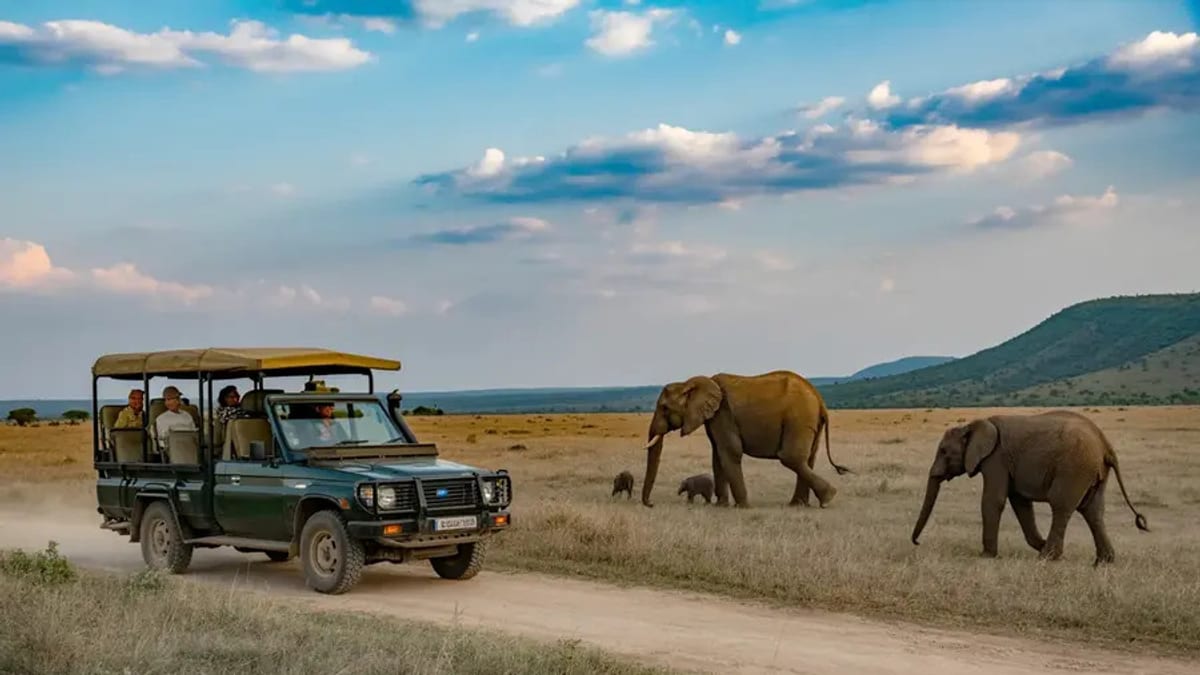
Image by Travel And Tour World
Africa Claims the World’s Fastest Tourism Growth
Recent international tourism barometers show Africa registering the world’s fastest growth in tourist arrivals in 2025, underscoring how the continent has moved from recovery to expansion as global travel normalizes. Industry analyses indicate that international arrivals across Africa climbed strongly in 2024 and 2025, outpacing global averages and narrowing the gap with pre-pandemic benchmarks.
Within this continental surge, a core group of destinations has emerged as clear leaders. Morocco has become Africa’s most visited country, welcoming about 17.4 million international tourists in 2024, a jump of roughly 20 percent compared with 2023. At the same time, UN Tourism monitoring of travel receipts points to Egypt, Morocco, South Africa, Mauritius and Kenya as some of the continent’s most lucrative markets, collectively attracting billions of dollars in visitor spending each year.
This concentration of demand is reshaping how Africa is positioned in the global tourism economy. Analysts note that these five destinations combine strong air connectivity, diversified tourism offerings and substantial investment in infrastructure, branding and incentives. Their momentum has contributed significantly to Africa’s broader performance, even as many smaller markets are still closing the gap with 2019 levels.
Forecasts for 2026 suggest continued growth in international arrivals worldwide, with Africa expected to benefit from a further shift toward long-haul, experience-led travel. Industry projections point to an additional 3 to 4 percent increase in global arrivals compared with 2025, opening further opportunities for African destinations that can convert interest into bookings through improved access, safety perception and product diversification.
South Africa’s Record Arrivals Cement Its Powerhouse Status
Newly released figures from Statistics South Africa and national tourism performance reports show that South Africa has re-entered the ranks of global mid-scale tourism leaders. Combined passenger arrivals through the country’s ports of entry reached approximately 8.92 million in 2024, reflecting robust growth from 2023 and underscoring renewed confidence in the destination.
Expanded datasets for the full year indicate that total arrivals, including intra-African travel, topped 10.49 million in 2024, surpassing the previous record set in 2018. Industry coverage notes that this milestone marks a symbolic turning point, as South Africa not only recovered pandemic-related losses but also exceeded its earlier high-water mark for visitor numbers.
Source market patterns are also shifting. Reports summarizing official tourism data show that the United States is now South Africa’s largest overseas market, with more than 370,000 American visitors recorded in 2024. The United Kingdom, Germany and other European countries remain crucial, while arrivals from Brazil and other Latin American markets are accelerating, supported by new or expanded air services.
Domestic travel continues to reinforce the sector’s resilience. Earlier studies from international organizations highlighted that domestic tourism in South Africa surged above 2019 levels by 2023, cushioning the impact of fluctuating long-haul demand. Combined with renewed international interest, this internal base has helped push tourism’s contribution to jobs and regional economies, particularly in the Western Cape and other key provinces.
Kenya, Morocco, Egypt and Mauritius Anchor a Diversified African Offer
Alongside South Africa, Kenya, Morocco, Egypt and Mauritius have consolidated their roles as regional anchors in Africa’s tourism landscape. According to industry and multilateral assessments, Egypt has ranked as Africa’s top tourism earner in recent years, generating an estimated 14 billion dollars in revenue in 2023 from its mix of Red Sea resorts, Nile cruises and archaeological icons.
Morocco’s performance has been equally striking. UN Tourism data cited in public coverage show that the country hosted 17.4 million international visitors in 2024, a record that lifted it to the top position on the continent in terms of arrivals. The country’s strategic bet on diversified city-break tourism, desert and mountain circuits, and large-scale events is widely seen as a model for other African destinations seeking to expand beyond traditional holiday segments.
Mauritius has maintained its reputation as a high-yield island destination, with UN Tourism and regional economic reports indicating a double-digit rise in tourism receipts in 2024. Its focus on premium beach resorts, marine conservation and wellness travel allows it to command higher average spend, contributing disproportionately to local GDP and employment despite its smaller absolute arrival numbers.
Kenya, meanwhile, remains a benchmark for safari and nature tourism in East Africa. Publicly available government and industry data trace a steady recovery of visitor numbers to national parks and coastal areas, supported by improved air links and targeted campaigns in Europe and North America. Together with South Africa, Kenya shapes the global image of African wildlife tourism, drawing travelers seeking big game experiences, conservation-led lodges and community-based tourism initiatives.
Cultural Richness and Nature Experiences Drive Demand
Beneath the headline arrival numbers, analysts highlight cultural richness and nature-based experiences as the core drivers of Africa’s tourism boom. South Africa leverages a powerful combination of wildlife, wine regions, coastal scenery and urban culture, from Cape Town’s internationally recognized creative scene to Johannesburg’s heritage districts and townships that now host curated, community-led tours.
Kenya and South Africa together anchor the continent’s safari product, offering large, well-known reserves where visitors can see the Big Five, as well as privately managed conservancies that blend luxury with conservation finance. Reports indicate consistent demand for such trips from high-spend markets in Europe, North America and Asia, with travelers typically combining wildlife with beach or city stays.
In North Africa, Morocco and Egypt pair ancient heritage with rapidly modernizing urban hubs. Marrakesh, Fez and Cairo headline itineraries built around historic medinas, mosques, museums and monuments, while new infrastructure and hospitality investments seek to raise quality standards. Cultural festivals, gastronomy-driven tourism and film production have further amplified these destinations’ global visibility.
Mauritius, though smaller, exemplifies how cultural diversity can enrich a classic beach offering. Creole, Indian, African, Chinese and European influences shape its food, language and festivals, turning a traditional sun-and-sea holiday into a broader cultural encounter. Sector commentators argue that such multi-layered experiences are increasingly important as international travelers look beyond simple resort stays toward authentic, story-rich journeys.
Connectivity, Policy Shifts and Investment Set the Stage for Further Growth
Infrastructure expansion and policy reforms are playing a decisive role in sustaining Africa’s tourism momentum. In South Africa, aviation statistics show that major airports such as Cape Town International and King Shaka International have handled rising passenger volumes in the 2024 to 2025 financial years, reflecting both increased domestic mobility and a return of international capacity.
Visa liberalization is another important catalyst. Travel industry summaries of recent policy changes note that South Africa’s visa-free arrangements with markets such as Kenya and Ghana have boosted intra-African travel, reducing friction for business and leisure visitors. Similar reforms across East and West Africa, including streamlined e-visa platforms and regional visa schemes, are beginning to reconfigure traditional tourism flows on the continent.
Investment trends suggest that governments and private developers are betting on continued demand. Hotel pipeline reports for Africa point to substantial new capacity in cities like Cape Town, Nairobi, Casablanca, Cairo and Port Louis, alongside lodge developments in emerging wildlife and coastal regions. Many of these projects incorporate sustainability criteria, reflecting pressure from travelers and investors for lower-impact operations.
At the same time, analysts caution that growth needs to be balanced with community benefits and environmental stewardship. Ongoing debates in major destinations such as Cape Town and Marrakesh focus on how to manage visitor numbers, protect housing affordability and preserve heritage sites. How South Africa, Kenya, Morocco, Egypt and Mauritius navigate these issues will help determine whether their current tourism boom translates into durable, inclusive gains for the wider African travel industry.