

More news on this day
South Africa is experiencing a powerful tourism rebound, with international arrivals climbing back toward pre-pandemic highs even as crime statistics, regional disease outbreaks and lingering infrastructure problems raise difficult questions about visitor safety.
Get the latest news straight to your inbox!
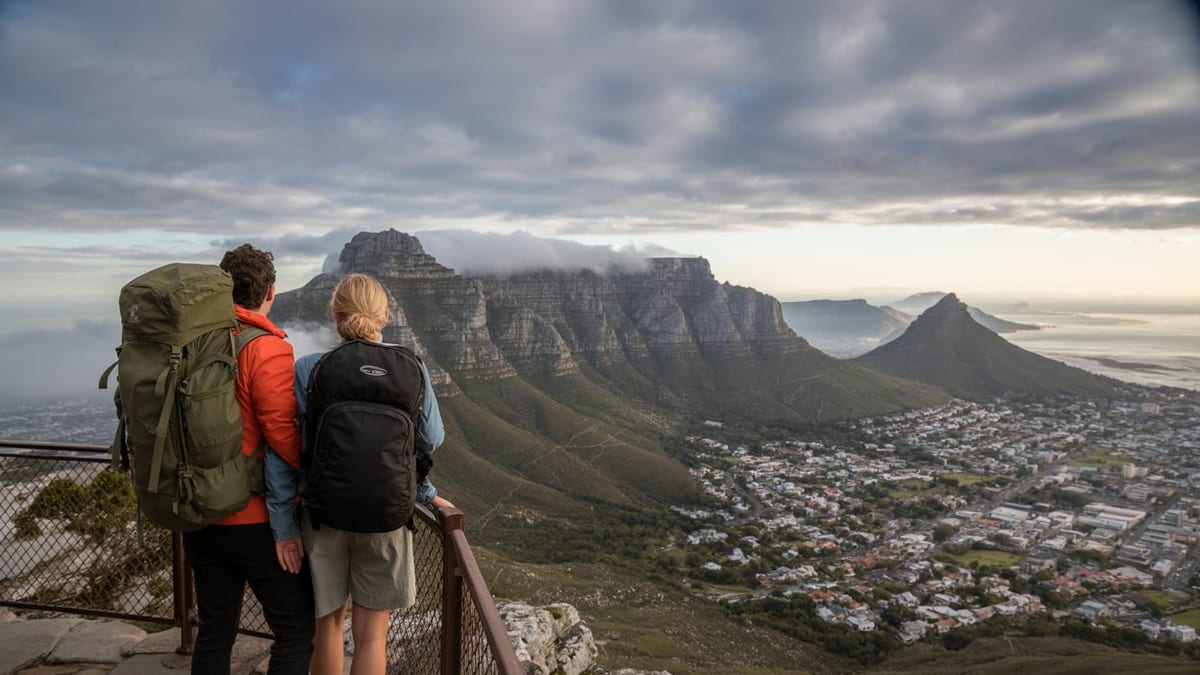
Image by Travel And Tour World
Record Visitor Numbers Collide With Safety Fears
Tourism bodies report that South Africa’s visitor numbers have surged since global travel reopened, with major hubs such as Cape Town, Johannesburg and the Kruger region once again drawing long-haul travelers for wildlife, wine and coastal scenery. Industry analysts note that pent-up demand, favorable exchange rates and aggressive destination marketing have all helped push leisure arrivals sharply higher compared with the years immediately after the pandemic.
At the same time, publicly available crime data paint a stark backdrop. Recent figures reported in international media indicate that more than 26,000 people were murdered in South Africa in 2024, an average of around 72 per day, underscoring the country’s long-standing struggle with violent crime. Comparative indexes compiled by research firms place South Africa among the countries with the highest perceived crime levels worldwide, and regional experts warn that the contrast between postcard-perfect tourist imagery and difficult everyday realities can be jarring for first-time visitors.
Travel advisories from several governments, including the United States and the United Kingdom, currently urge visitors to exercise increased caution in South Africa due to crime. Those advisories highlight risks of robbery, carjacking and violent assault, particularly in major urban centers and on certain intercity routes, while still acknowledging that millions of tourists visit each year without incident.
Tourism stakeholders argue that the sector is too important to the national economy to ignore the safety dimension. South African government documents discussing tourism policy in 2024 acknowledge that crime affecting visitors has harmed the country’s image abroad and identify safety and hygiene as central to sustaining growth in arrivals.
What Crime Risks Tourists Actually Face
While headline national crime statistics are sobering, the risk profile for most tourists is more narrowly concentrated. Travel advisories and consular briefings point to armed robbery, theft from vehicles, muggings and, to a lesser extent, carjackings as the threats most likely to affect visitors. Incidents are frequently reported around transport hubs, in city centers after dark, at some beaches and in areas where tourists walk with visible valuables such as cameras and smartphones.
Analyses by foreign ministries stress that crime in South Africa is often opportunistic and that visitors who appear unfamiliar with their surroundings or distracted can be targeted. Robberies linked to airport-to-hotel transfers, so-called follow-home crimes where individuals are tailed from ATMs or shopping centers, and theft from parked cars at scenic viewpoints are all recurring patterns described in recent advisories.
By contrast, the main safari reserves and private game lodges that anchor much of South Africa’s international tourism trade tend to report lower crime affecting guests, in part because of controlled access, private security and their remote locations. Travel industry reports suggest that most incidents linked to tourists occur in or around major cities rather than in wildlife or wine-country destinations, though experts caution that no area can be considered entirely risk-free.
Security consultants recommend that prospective visitors understand these geographic and situational distinctions rather than simply reacting to national crime rankings. They emphasize that choices about where to stay, how to move around, when to travel and how visibly to display wealth can meaningfully reduce exposure to crime while still allowing travelers to experience urban attractions alongside more traditional safari routes.
Health Alerts: Cholera, Routine Vaccines and Medical Care
Alongside crime, health risks are drawing increased attention. South Africa itself is not currently experiencing a large, nationwide disease emergency, but it sits within a region that has faced what agencies such as the Africa Centres for Disease Control and Prevention have called the worst cholera crisis in decades. Neighboring countries including Zambia, Malawi and Zimbabwe have recorded substantial numbers of cases and deaths since 2023, prompting warnings from the World Health Organization about cross-border transmission.
South Africa reported its own cholera outbreak in 2023, with national health authorities documenting more than a thousand cases and dozens of deaths before the outbreak was contained later that year. Subsequent public information from health agencies describes those clusters as brought under control, but surveillance continues and imported cases from elsewhere in Southern Africa are still detected periodically. In late 2025, news coverage highlighted the start of clinical trials for what was described as South Africa’s first domestically developed oral cholera vaccine, underlining official concern that the wider regional epidemic could persist.
The United States Centers for Disease Control and Prevention classifies South Africa as a destination where routine vaccines should be up to date and where travelers should pay close attention to food and water hygiene, especially when visiting informal settlements or rural areas with limited sanitation. While malaria is not a concern in the main cities or Cape Town, it can be present on the northeastern borders and around certain parks, and standard prophylaxis is often advised for those specific zones.
Health infrastructure in major South African cities is generally stronger than in many parts of the region, with private hospitals frequently highlighted by travel medicine specialists as being of relatively high standard. However, public information notes that emergency care may be harder to access quickly in remote rural areas and that travelers should ensure they have comprehensive insurance that covers medical evacuation, especially if they plan overland trips through sparsely populated regions.
Infrastructure Strains, Load Shedding and Local Capacity
Beyond crime and health, visitors must also contend with infrastructure challenges that can compound safety concerns. South Africa has endured years of intermittent power cuts, known locally as load shedding, as its electricity utility grapples with aging plants and financial strain. Government and media reports throughout 2025 pointed to an improvement in the frequency of scheduled outages, but foreign travel advisories still caution that rolling blackouts can disrupt traffic lights, street lighting and even hotel operations at short notice.
When traffic signals fail, congestion and road accidents tend to increase, and pedestrians may find themselves crossing large intersections without functioning lights or clear right-of-way. Security analysts note that darkened streets and temporarily disabled alarm systems can also create windows of opportunity for crime, leading many businesses and accommodation providers to invest in backup power systems and additional lighting.
Water and sanitation infrastructure also face pressure, particularly in fast-growing urban and peri-urban areas. Environmental and health agencies have flagged periodic contamination events in some municipal water systems and wastewater overflows into rivers and coastal zones, especially after heavy rains. Public health messaging in recent years has emphasized hand hygiene and careful consumption of tap water outside major tourist-frequented districts, a concern heightened by the wider regional cholera situation.
Transport capacity is another stress point. Domestic airlines, long-distance buses and popular scenic routes can be stretched during peak seasons, and some long-haul rail options are currently limited or unreliable. Travelers relying on road transfers are frequently encouraged by consular information to use reputable operators booked in advance rather than hailing informal taxis or ride services on the street, both for crime prevention and to reduce the risk of accidents.
How Prospective Visitors Can Assess Their Risk
Given the mix of booming arrivals and persistent safety concerns, potential visitors are being urged by travel medicine clinics and security analysts to do more homework before committing to a trip. Publicly available guidance stresses the importance of reading the latest government advisories from one’s home country immediately before departure, as overall risk ratings and specific neighborhood warnings can change with little notice.
Independent travel planners suggest mapping out itineraries in detail, with particular attention to transfers between airports and accommodation, evening plans in major cities and side trips to townships or informal settlements. Booking hotels and guesthouses that clearly communicate their security measures, such as controlled access, safe parking and backup power, is increasingly seen as a basic precaution rather than an optional extra.
Health professionals recommend scheduling a consultation four to six weeks before travel to discuss vaccines, malaria prophylaxis if relevant, and personal medication needs. Visitors are also advised to carry documentation for travel insurance that explicitly covers theft, medical care and evacuation, and to keep both physical and digital copies of passports and important documents stored separately.
For many travelers, the rewards of visiting South Africa remain compelling: globally renowned wildlife experiences, sophisticated food and wine scenes, and rich cultural heritage. The emerging consensus from recent reporting, however, is that enjoying those benefits safely in 2026 requires a more deliberate approach to personal security and health preparation than in many competing long-haul destinations.