

More news on this day
South African Tourism has urged all international travellers heading to or from the country to immediately reconfirm their flights, as sweeping airspace closures across the Middle East unleash widespread delays, cancellations and diversions on some of South Africa’s busiest long-haul routes.
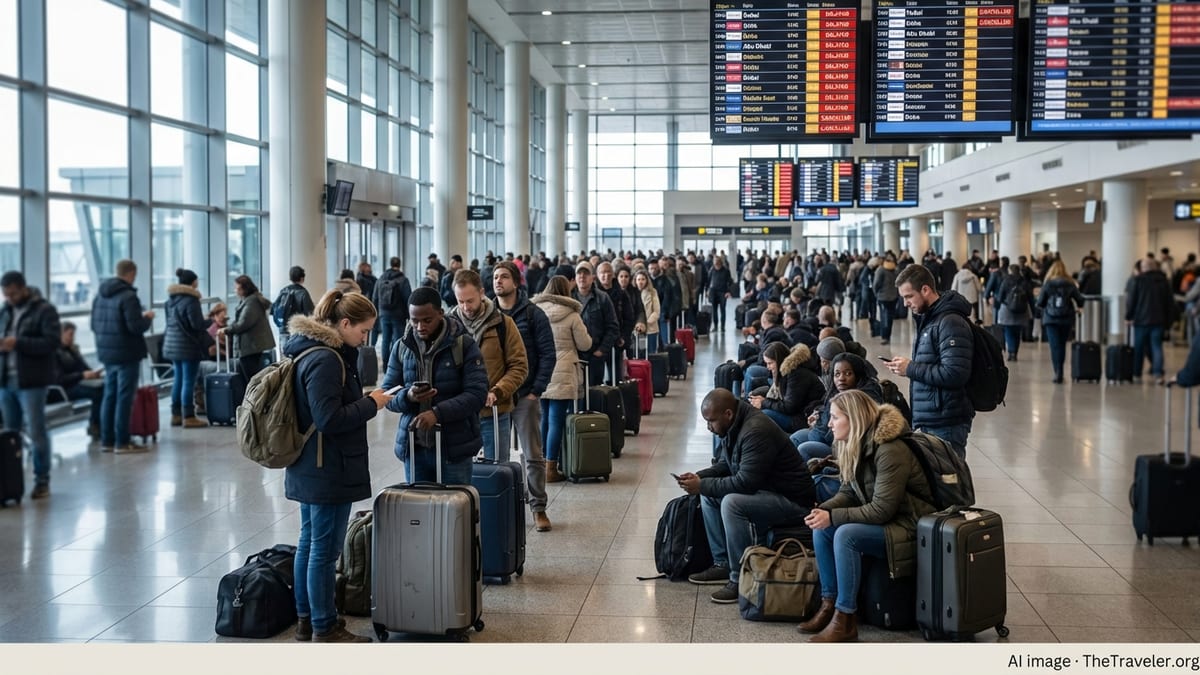
Official Advisory as Middle East Crisis Hits Global Routes
In a statement issued on Sunday 1 March 2026, South African Tourism said it was closely monitoring “confirmed global flight disruptions and cancellations” linked to escalating tensions in the Middle East and associated airspace closures, which are now rippling through international travel schedules touching South Africa.
The organisation, which is the tourism marketing arm of the South African government, urged all travellers to contact their airlines, travel agents or relevant airports directly before setting out, stressing that flight status can change at short notice as regional authorities adjust safety measures.
South African Tourism said it was working in collaboration with Airports Company South Africa (Acsa), aviation regulators, local airport operators and international carriers to stay abreast of developments and understand the implications for inbound and outbound tourism flows.
The advisory follows a weekend of mounting airspace restrictions after US and Israeli strikes on Iran and subsequent retaliatory attacks prompted several Middle Eastern states, including the United Arab Emirates and Qatar, to shut portions of their airspace to commercial traffic.
Emirates and Qatar Suspensions Disrupt South African Gateways
Acsa has confirmed that the closure of UAE and related Gulf airspace is directly impacting flights operated by Emirates and Qatar Airways, two of the most important foreign carriers linking South Africa with Europe, Asia, the Middle East and North America.
According to operational updates, O.R. Tambo International Airport in Johannesburg recorded eight cancellations attributed to the crisis, including seven outbound and one inbound service, primarily on routes transiting Dubai or Doha. Cape Town International saw four outbound cancellations, while King Shaka International in Durban reported two outbound cancellations on affected Gulf-operated routes.
Travel industry advisories circulated over the weekend indicated that Emirates and Qatar Airways services from South Africa have been suspended until further notice as airlines await clarity on when key regional airspace corridors will be deemed safe to reopen. Tour operators have warned that the knock-on effects could extend beyond the initial suspension window as carriers work through backlogs and reposition aircraft.
Acsa has appealed to passengers not to proceed to airports without first confirming the status of their flights, cautioning that walk‑up travellers are likely to face lengthy waits, limited rebooking options and constrained accommodation in already busy terminals.
Stranded Travellers and Rerouted Journeys Worldwide
The Middle East closures have triggered a cascading disruption across global aviation networks, with major hubs such as Dubai, Abu Dhabi and Doha temporarily curtailing or halting operations. International tracking data shows thousands of flights cancelled, delayed or forced to take long detours around closed airspace, adding hours to journey times and straining airline schedules.
For South African passengers, the impact is being felt well beyond direct Middle East services. Many long-haul itineraries between South Africa and Europe, North America and parts of Asia rely on onward connections via Gulf hubs, meaning travellers can find themselves stranded mid‑journey or facing complex re‑routing via alternative European or African gateways.
Local media have reported South Africans stuck at airports in the UAE and neighbouring countries as authorities keep airspace locked down amid ongoing security assessments. The Department of International Relations and Cooperation has confirmed it is in contact with citizens in the region and has urged those affected to remain patient, stay indoors where advised, and maintain communication with South African diplomatic missions.
Industry analysts warn that even if limited corridors reopen in the coming days, airlines may initially prioritise repositioning aircraft and crew, leaving seat availability tight and fares volatile on the most sought‑after alternative routes.
Tourism and Trade Facing Short-Term Headwinds
The timing of the disruption is a fresh setback for South Africa’s tourism sector, which has been rebuilding international arrivals and long-haul connectivity. Gulf carriers have played a pivotal role in that recovery, offering one‑stop links from key source markets in Europe, North America, the Middle East and Asia into Johannesburg, Cape Town and Durban.
Travel trade bodies say they expect near‑term pressure on inbound tourism numbers if the closures persist, particularly from markets that rely heavily on Middle Eastern hubs as primary gateways. Tour operators are fielding a surge in queries and rebooking requests as clients look for alternative routings through European or regional African hubs where capacity is available.
Beyond tourism, the suspension of key passenger services also weighs on belly‑hold cargo capacity, affecting high‑value and time‑sensitive shipments between South Africa and global markets. Logistics specialists note that while dedicated freighter operations can absorb some of the load, supply chains may face delays and higher costs as aircraft fly longer diversion routes to avoid restricted skies.
Economists caution that the overall impact will depend on how long the airspace closures last. A brief, managed disruption could be absorbed over several weeks, but a prolonged closure of multiple Middle Eastern corridors could put sustained pressure on South Africa’s connectivity and its broader visitor economy.
What Travellers to and from South Africa Should Do Now
Authorities and industry groups are urging all travellers with upcoming international journeys involving South Africa to take immediate, practical steps to minimise disruption. The most important is to reconfirm all flight segments directly with airlines or trusted travel agents, even if tickets were purchased weeks ago and itineraries appear unchanged.
Passengers are being advised to monitor airline notifications closely, ensure their contact details are up to date in booking records and allow significantly more time than usual to transit through airports, especially where re‑routing may require new security or immigration checks. Travellers already en route are encouraged to keep boarding passes and booking references accessible to assist with rebooking.
Travel consultants recommend that passengers avoid heading to the airport without a confirmed alternative if their original flight has been cancelled. Where possible, affected travellers should explore options such as date changes, refunds or rerouting via less affected hubs, taking into account that seats on alternative services may be limited in the short term.
South African Tourism has reiterated that safety remains the overriding priority, and that while the situation is fluid and frustrating for many passengers, decisions on airspace restrictions lie with sovereign states and aviation regulators acting on security intelligence. The agency has committed to providing further updates to the travel trade and the public as more information becomes available on the easing or extension of current closures.