

More news on this day
South Korea is sharpening its tourism pitch to China by turning K-beauty into a headline attraction, blending celebrity-driven branding, relaxed entry rules, and immersive cultural experiences that increasingly revolve around skincare, makeup, and aesthetic care.
Get the latest news straight to your inbox!
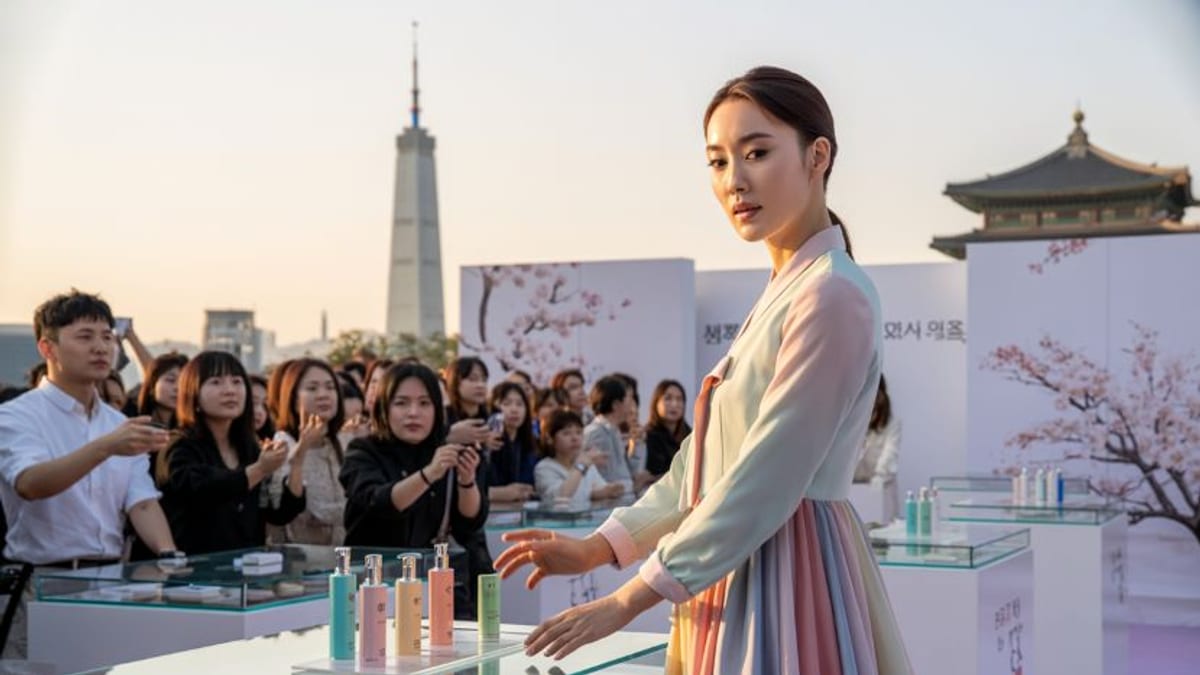
Image by Travel and Tour World – Tourism, Airline, Destination, MICE, Gobal Travel Market, Hotel news that you will find only over here.
Visa Policies And Visitor Flows Create A New Opening
Travel links between China and South Korea have been gradually rebuilt, and recent policy steps are widening the door for leisure travel. Reports on regional tourism flows indicate that Chinese visitor numbers to South Korea rebounded strongly in 2024 compared with 2023, even if they remain below pre-pandemic peaks. Trial visa-exemption schemes for short-term group visits, together with broader regional easing, are expected to keep Chinese arrivals on an upward trajectory into 2026.
Industry analyses point out that Chinese travelers are increasingly organizing trips independently rather than through traditional large tour groups. This shift has significant implications for spending patterns. Rather than being moved quickly between sightseeing stops and wholesale shopping outlets, visitors are allocating more time to niche neighborhoods, specialty retailers, and beauty districts in Seoul and Busan that spotlight Korean cosmetics and skincare culture.
South Korean tourism strategists are leaning into this behavior. Public-facing documents and promotional materials highlight urban itineraries centered on retail streets like Myeongdong and Hongdae, where beauty megastores, pop-up events, and brand experience zones often serve as a visitor’s first point of contact with Korean culture. For many Chinese tourists, the chance to experience K-beauty in its home market has become as important as visiting heritage palaces or coastal landscapes.
The focus on K-beauty aligns with broader efforts to move South Korea’s tourism profile beyond shopping and short-stop tours toward higher-value, experience-led travel. Policymakers and city tourism boards increasingly frame cosmetics, skincare consultations, and aesthetic services as part of a wider cultural package that includes food, fashion, and contemporary art.
K-Beauty Exports And Celebrity Brands Shape The Narrative
The backdrop to South Korea’s tourism push is a cosmetics industry that has grown into one of the country’s most visible soft-power assets. Trade and customs data for 2024 and 2025 show Korean beauty exports at or near record highs, with China remaining a core market despite stronger recent growth in the United States and other regions. Analysts note that consumers in mainland China are well acquainted with key Korean brands, long before they step onto a plane.
Within China, K-beauty has been propelled by social media, livestream commerce, and idol endorsements. K-pop stars and drama actors front campaigns for leading Korean brands in ways that resonate with Chinese fans who follow these celebrities across platforms. Product lines associated with popular figures often trend on Chinese e-commerce sites and fan forums, turning serums, cushions, and lip tints into must-buy items for fans planning a trip to Seoul.
South Korean companies are actively building tourism hooks around this enthusiasm. Flagship stores in central Seoul use in-store signage, language support, and curated product zones tailored to Chinese visitors who already recognize celebrity-backed products from campaigns at home. Retailers also promote limited editions and travel-exclusive sets linked to popular stars, reinforcing the sense that purchasing in Korea offers something more authentic or rare than buying online in China.
Beauty-focused tourism content now frequently intertwines with entertainment themes. Travel marketing emphasizes locations featured in dramas, filming spots for music videos, and neighborhoods known for celebrity sightings, while also spotlighting nearby multi-brand beauty stores and clinics. This convergence of K-pop, K-drama, and K-beauty effectively turns Seoul’s streets into a live set where visitors can recreate looks they have seen on screen.
Duty-Free And Flagship Stores Pivot To Experience
South Korean duty-free operators and major beauty retailers are revamping their strategies to engage a new generation of Chinese travelers. Industry reports in 2024 and 2025 highlight a move away from bulk resellers toward direct-to-consumer shopping, with store layouts giving more space to K-beauty labels and discovery zones rather than stacked cartons of a few hero items.
Large duty-free shops and specialty beauty chains are introducing experiential elements designed to keep tourists on site longer. Examples include personal color diagnosis sessions, curated K-beauty “routines” for different skin types, and make-up styling corners where visitors can test looks that echo those of well-known idols. For Chinese tourists, these activities transform what was once a quick shopping stop into a half-day itinerary.
Retailers are also investing in payment systems and customer-service teams that cater specifically to Chinese visitors, from language support to multiple mobile-payment options. This operational layer supports the broader star-driven narrative. When a Chinese traveler walks into a flagship store displaying a favorite singer’s campaign, they can quickly find the exact product line, redeem travel promotions, and share their purchases in real time on social platforms back home.
In parallel, South Korean beauty brands are launching seasonal promotions that coincide with Chinese holiday periods such as Lunar New Year and Golden Week. Bundled sets and travel kits are marketed as ideal souvenirs, reinforcing K-beauty as a tangible takeaway from a Korean holiday and encouraging repeat visits as product lines and collaborations change.
From Shopping To Aesthetic Tourism And Wellness
The rise of K-beauty is intersecting with another fast-growing segment of South Korea’s visitor economy: aesthetic and medical tourism. Data released by the Korea Health Industry Development Institute for 2024 show more than 1.17 million foreign patients visiting the country, with a significant proportion seeking dermatology and plastic surgery services. Chinese travelers represent a major share of this influx, drawn by the reputation of Korean clinics in skincare, facial contouring, and non-invasive treatments.
Clinics in Seoul’s Gangnam district and other medical hubs increasingly market packages that combine procedures with accommodation, airport transfers, and guided visits to nearby shopping districts known for K-beauty. For many Chinese visitors, a trip might begin with a consultation, continue with treatments, and then move into beauty retail as they purchase post-treatment skincare recommended by local professionals.
Travel and hospitality companies are beginning to bundle these experiences more explicitly. Some hotels, particularly in Seoul’s central districts, promote partnerships with dermatology clinics and beauty retailers, offering guests discounts on treatments and curated cosmetic sets. This approach blends wellness, recovery, and consumption in a way that extends the economic impact of each visitor beyond a single spending category.
Observers of regional tourism trends suggest that this integration is repositioning South Korea in the minds of Chinese consumers. Instead of a destination centered solely on duty-free bargains, it is increasingly perceived as a place to upgrade one’s appearance, access high-quality aesthetic care, and immerse oneself in a lifestyle associated with Korean celebrities and influencers.
Cultural Districts And Storytelling Deepen The Appeal
South Korea’s tourism strategy around K-beauty is not confined to retail interiors. City governments and cultural organizations are promoting neighborhoods where beauty culture, fashion, food, and street arts intersect, creating a wider narrative around contemporary Korean aesthetics. Districts like Seongsu-dong and Ikseon-dong, known for independent brands and design-conscious cafes, are now featured heavily in Chinese-language travel content.
Events such as street arts festivals, fashion pop-ups, and seasonal flower festivals provide picturesque backdrops that pair naturally with beauty-focused itineraries. Chinese travelers seeking photogenic locations for social media often combine visits to these cultural events with stops at nearby beauty stores and salons, further embedding K-beauty within a broader cultural experience.
Storytelling is a central component of this strategy. Public campaigns and brand marketing alike emphasize narratives about Korean skincare routines, natural ingredients, and the pursuit of healthy, “glass” skin. These stories, frequently echoed in dramas and variety shows, give Chinese visitors a conceptual framework that extends beyond specific products to a holistic vision of beauty and lifestyle.
As these elements converge, Chinese travelers are paying closer attention to South Korea as a destination where pop culture, beauty routines, and everyday urban life are tightly interwoven. The star-driven K-beauty movement functions not only as a major shopping draw, but as an entry point into a wider ecosystem of cultural tourism that South Korea is working to expand in the years ahead.